Leading researchers caution that extraterrestrial microbes could hitchhike on spacecraft, potentially contaminating Earth as Solar System exploration intensifies.
Human activities have accelerated biological invasions, spreading microbes, invertebrates, vertebrates, and exotic plants worldwide at unprecedented rates—even reaching remote areas like Antarctica, where drug-resistant enteric bacteria have infected seabirds and seals.
These invasions threaten agriculture, forestry, aquaculture, and beekeeping. While strict Earth-based regulations mitigate risks, the burgeoning space sector—explored by public and private entities—presents a new biosecurity frontier without adequate frameworks.
A team of experts in BioScience urges proactive measures against bidirectional contamination: Earth organisms to space and potential extraterrestrial life back to our planet.
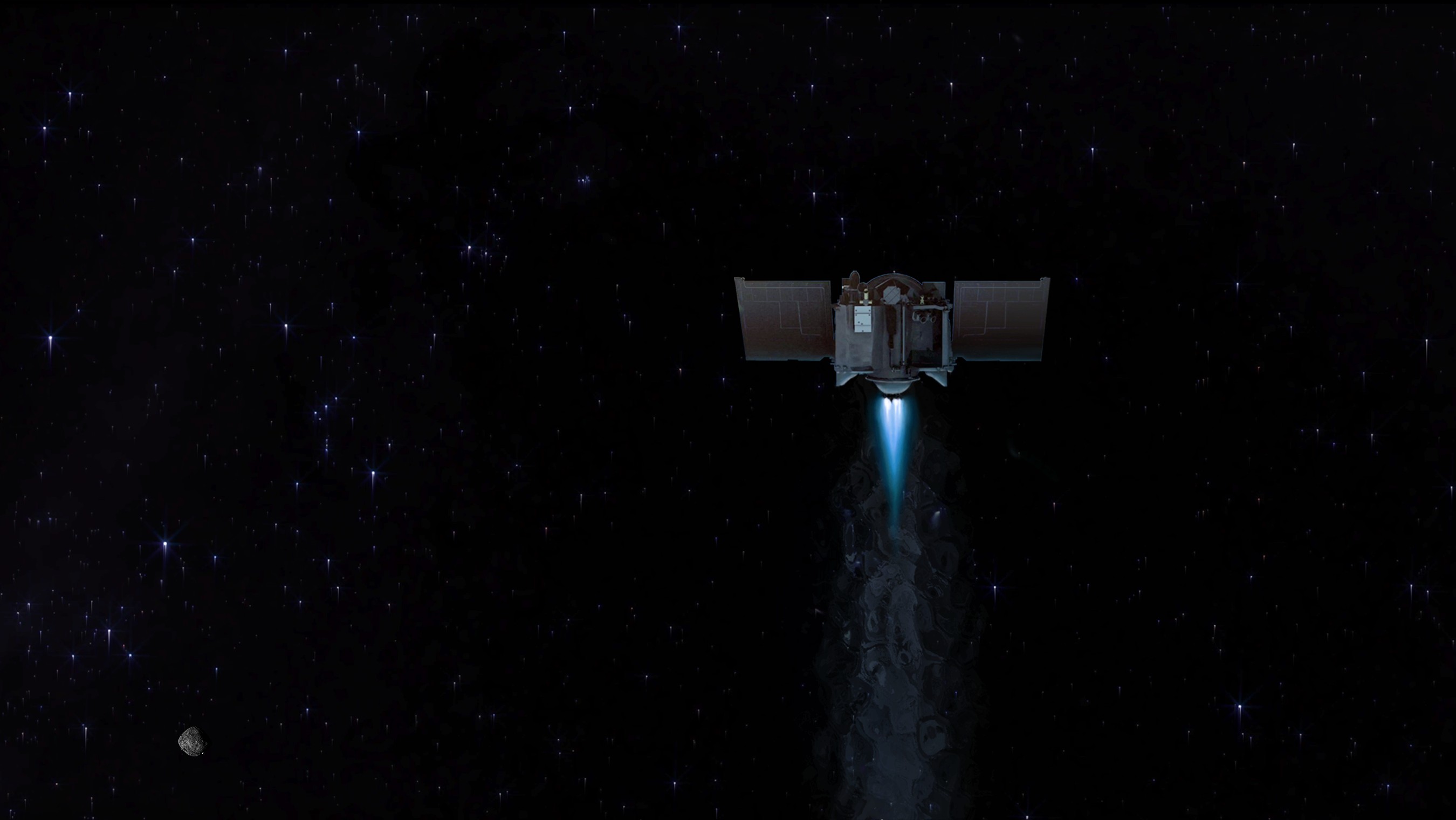
Such events remain highly unlikely due to space's harsh conditions, but risks will escalate with more missions.
“The search for life beyond Earth is thrilling and could yield monumental discoveries,” says Anthony Ricciardi, invasion biologist at McGill University, in a LiveScience interview. “Yet, with rising space missions—including sample returns—reducing bidirectional contamination risks is crucial.”
The 2019 Beresheet crash on the Moon carried thousands of tardigrades; a Astrobiology study deemed survival unlikely but highlighted exploration hazards.
Ricciardi and colleagues advocate collaboration between astrobiologists and invasion biologists, enhanced biosecurity protocols, early contaminant detection, and rapid response plans.
