The United States is unlikely to build another launch vehicle like NASA's Space Launch System (SLS). This powerhouse rocket, designed to carry future astronauts to the Moon, marks the end of an era in government-led heavy-lift development.
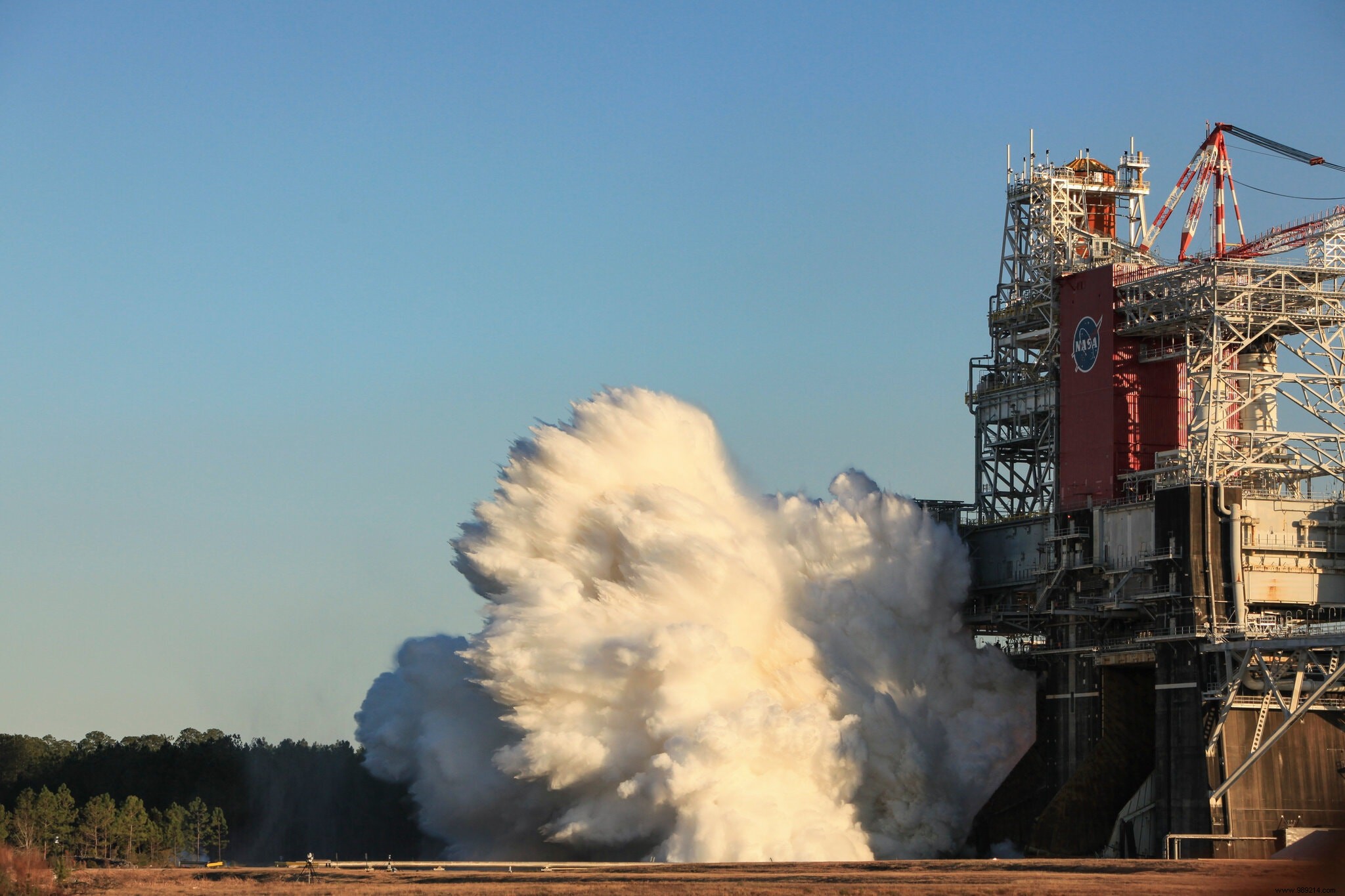
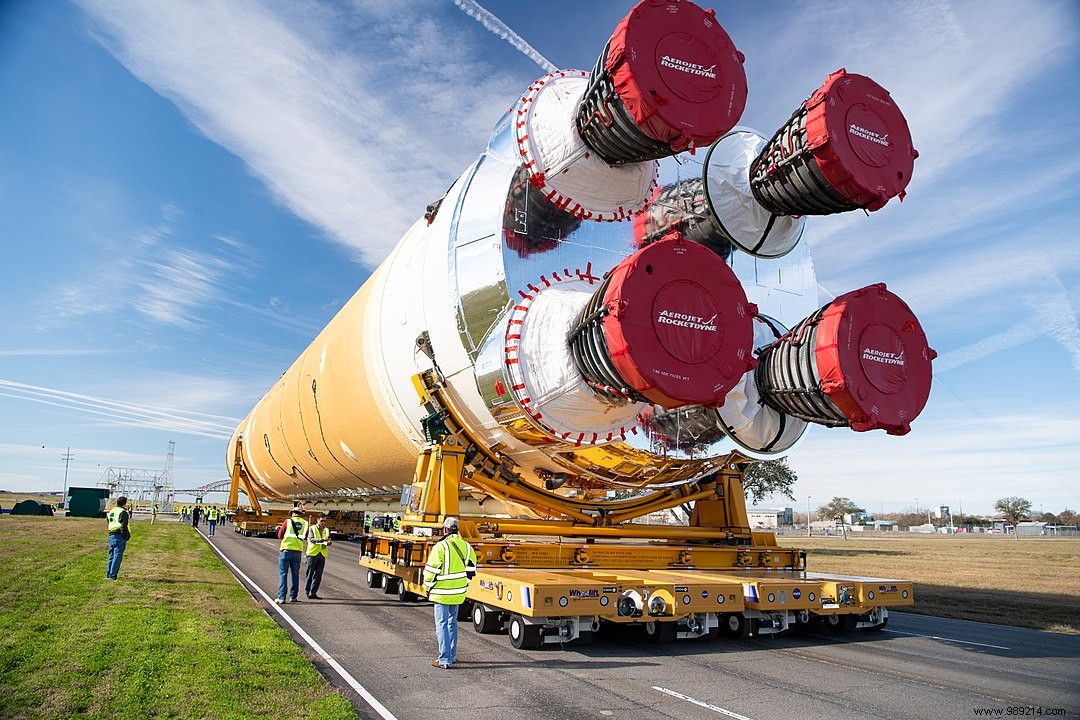
NASA's most powerful rocket since the Apollo program has finally stood tall on its test stand for weeks. At least its first-stage core—painted in distinctive apricot hues—has. Positioned at the Stennis Space Center in Mississippi, the SLS core stage anchors NASA's deep-space ambitions. Developed since 2011, this rocket is tasked with launching crews to the Moon and potentially Mars in the future.
Following a failed initial static-fire test of its boosters, NASA successfully conducted a second test this Thursday. The four RS-25 main engines roared for 8 minutes and 19 seconds, providing engineers with the data needed to certify the rocket's first stage.
With the test complete, NASA teams have 30 days to refurbish the core stage and engines to "like-new" condition before shipping them to Kennedy Space Center in Florida. There, the SLS will be stacked with its upper stage and Orion spacecraft, followed by final integration tests ahead of launch.
For now, the SLS is slated to loft an uncrewed Orion capsule on a lunar orbit mission before splashing down on Earth. Its first crewed flight is targeted for 2023—the first human mission beyond low Earth orbit since Apollo 17 in 1972.
On paper, the SLS is an ambitious heavy-lift vehicle for equally bold missions. Yet it also signals the twilight of NASA's in-house rocket programs. As David W. Brown noted in the New York Times, "the Space Launch System was born not on the drafting tables of engineers, but on the desks of senators."
That congressional origin created challenges. In 2010, lawmakers mandated a super-heavy launcher using Space Shuttle-derived components, on a tight budget and aggressive 2016 launch timeline. Today, the program has overrun its budget by billions, with first launch possibly slipping to 2022.
This might not sting so much if NASA were the only player. Enter SpaceX, now ferrying astronauts to the ISS and eyeing lunar and Mars missions. While Starship matures, the SLS remains NASA's bridge to the Moon—but at $2 billion per launch with expendable boosters.
The SLS is a vital interim solution, paving the way for NASA to partner with commercial providers on future deep-space efforts. Whether it flies next year or a decade from now, it closes a historic chapter in American rocketry.
