A U.S. startup, Lunar Resources, is developing advanced technology to extract vital resources from lunar regolith—the fine dust and soil blanketing the Moon's surface. This material offers tremendous potential for on-site manufacturing, reducing the need to transport supplies from Earth.
Regolith consists of loose material, including dust, soil, and fragmented rocks, covering the underlying bedrock. On the Moon, it's roughly 50% oxygen, with the remainder comprising silicon (20%), aluminum (10%), and trace amounts of titanium, magnesium, and iron. As detailed in an Ars Technica article from January 22, 2022, Lunar Resources plans to harvest these lunar resources.
Building on NASA's metal extraction techniques, the company proposes heating regolith to extreme temperatures followed by electrolysis to isolate oxygen and metals. Their compact processing machine stands just one meter tall, while a small lunar rover would deliver regolith pellets for melting.
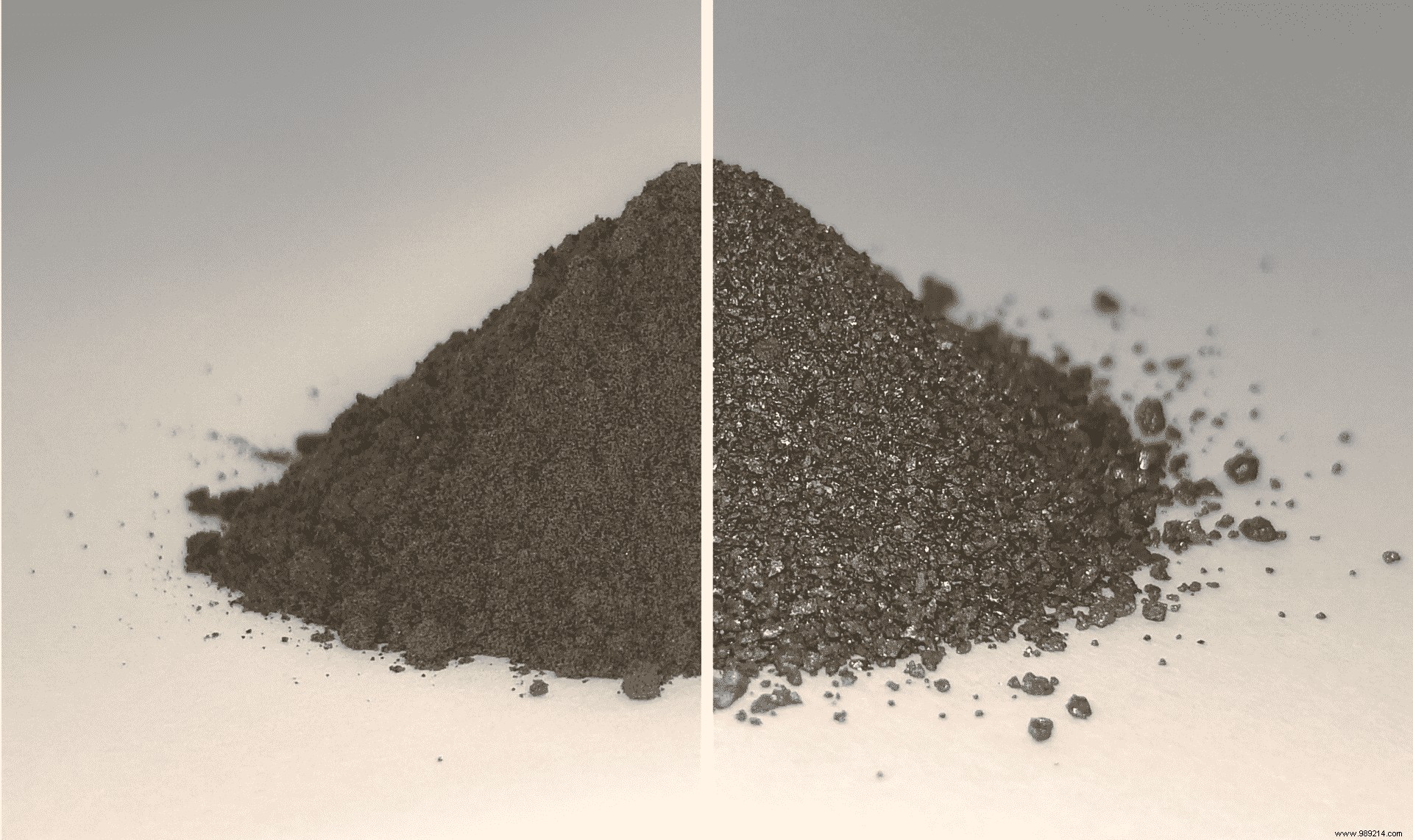
Lunar Resources sees regolith as key to producing tools and components directly on the Moon, including electrical systems, to support sustainable space operations.
CEO Elliot Carol, with prior experience in hedge fund management, has shifted focus to space innovation. The startup's mission aligns with broader industry trends, though commercialization of space resources raises questions under the 1967 Outer Space Treaty. From their website: "Lunar Resources, Inc. is a pioneering space industrial company in space manufacturing, above-ground resource extraction, and in-situ resource utilization […] Our goal is to develop and commercialize space resource manufacturing and extraction technologies to catalyze the space economy."
In 2018, the European Space Agency (ESA) explored regolith for a permanent lunar base, successfully 3D-printing prototypes like screws and gears using simulated material. This approach could drastically cut Earth-launched construction material costs given regolith's abundance.
