New research reveals microorganisms thriving in a sulfurous, ultra-acidic lake in Costa Rica—an Earth analog to ancient Martian lakes.
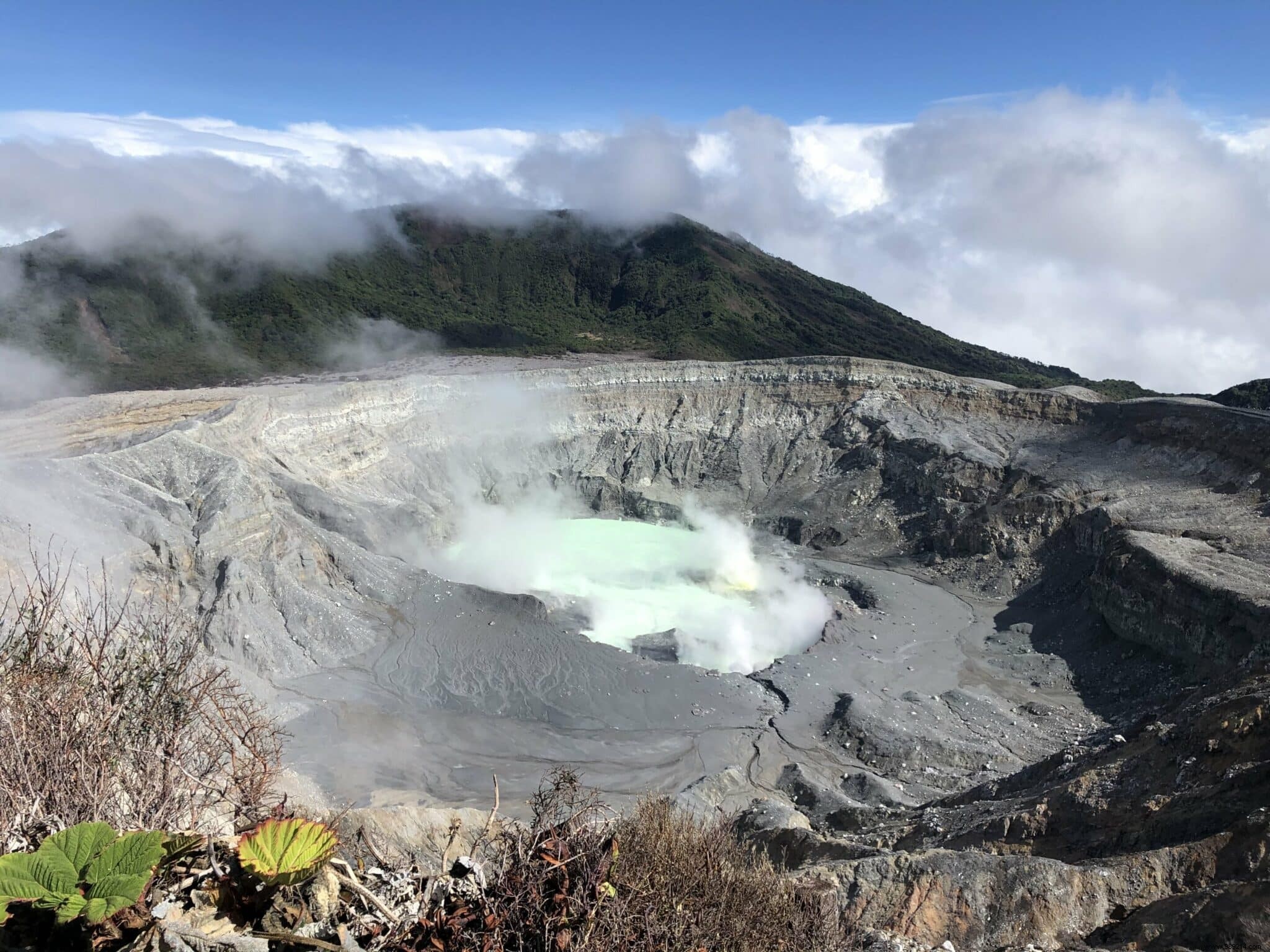
Nestled at 2,300 meters above sea level, Laguna Caliente ranks among the planet's harshest habitats. This highly sulfurous lake boasts pH levels from -0.87 to 1.5 and temperatures fluctuating between 38°C and 90°C. Exobiologists are drawn to it because its mineral makeup closely resembles deposits discovered by NASA's Spirit rover in Mars' Gusev Crater in 2004.
If life persists here despite the extremes, it bolsters the case for microbial evolution on early Mars under similar conditions. This hypothesis drove Justin Wang and his University of Colorado team to sample the lake in 2013. Their findings? Abundant microbial life. Initially, they identified bacteria from the genus Acidiphilium, commonly associated with acid mine drainage and hydrothermal vents.
In 2017, following volcanic eruptions, the team returned to assess changes in diversity and delve deeper into the microbes' biochemistry.
Published in Frontiers in Astronomy and Space Science, the study uncovered slightly greater biodiversity, with Acidiphilium still dominant. DNA sequencing of lake samples revealed diverse biochemical adaptations for surviving extreme, fluctuating conditions—including energy production from sulfur, iron, and arsenic; carbon fixation; and storage of simple sugars, complex carbs, and bioplastic granules for fuel during stress.
While Mars missions have targeted ancient riverbeds, this work urges a shift toward hot spring deposits. "Our research offers a blueprint for how Earth-like life could have thrived in Martian hydrothermal systems," the authors state. "We hope it will steer future searches toward these sites."
Notably, several such features dot the rim of Jezero Crater, where NASA's Perseverance rover now explores. Worth investigating?
