NASA has partnered once again with the SETI Institute to ensure its current and future missions meet rigorous planetary protection standards.
Exploring planets and moons raises critical concerns about microbial contamination. Earth's microbes could contaminate sites that might harbor extraterrestrial life, potentially wiping out ecosystems before we can study them.
Equally vital is safeguarding Earth from potential extraterrestrial microbes returning via spacecraft. Unknown organisms from Mars or Europa's plumes could hitch a ride, survive re-entry, and impact terrestrial life.
Since the dawn of the Space Age, scientists have addressed these risks seriously. NASA pioneered spacecraft sterilization protocols in 1959, mandating standards for all planetary missions by the early 1960s.
The Committee on Space Research (COSPAR) was established to develop recommendations and protocols preventing solar system contamination.
The SETI Institute, renowned for searching for extraterrestrial intelligence, has spent over a decade helping shield the solar system from microscopic contaminants on NASA missions. This collaboration is set to continue.
NASA recently awarded SETI a new contract to verify compliance with protection standards, working closely with the agency's Office of Planetary Protection.
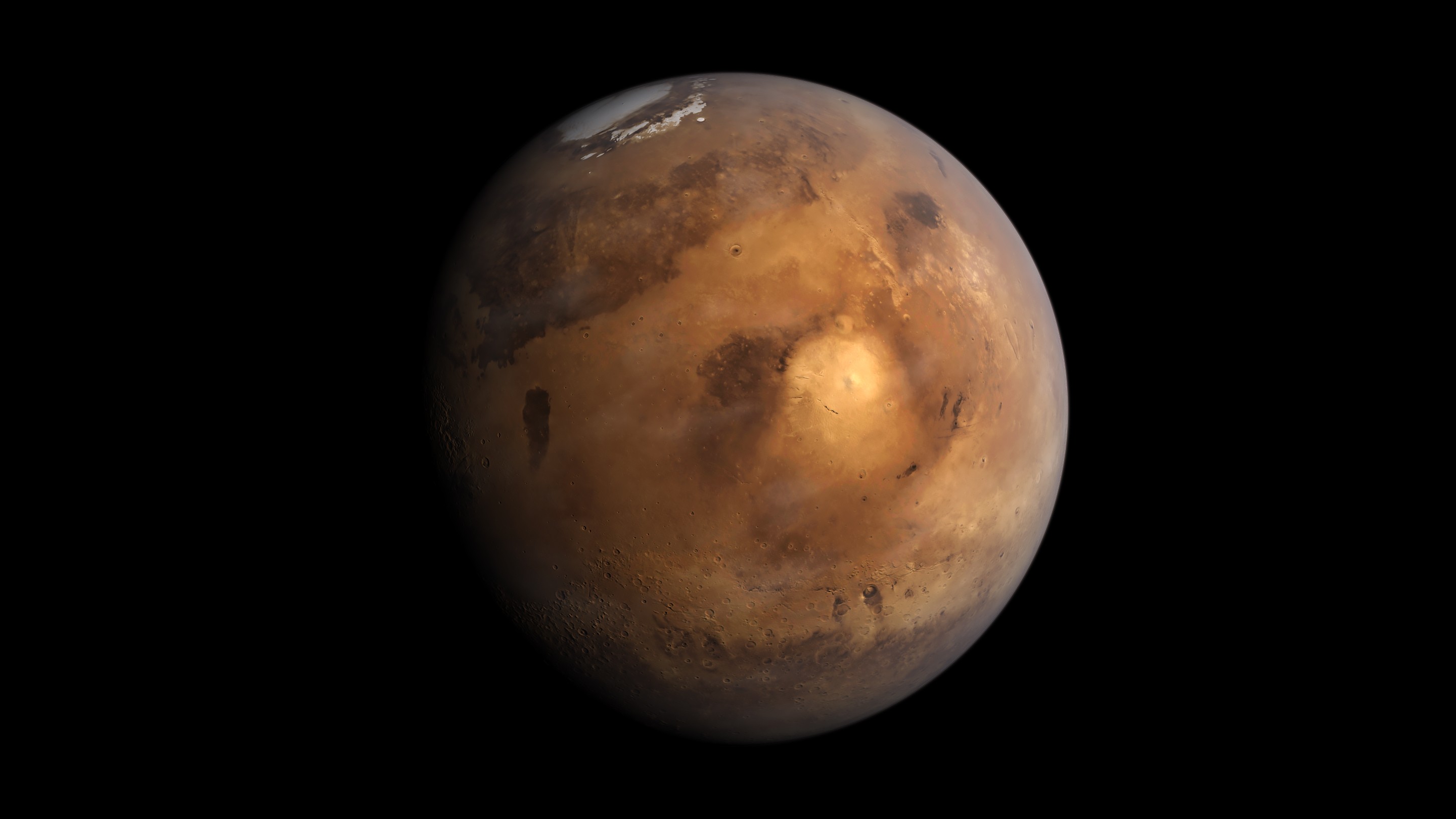
SETI will help develop new standards with NASA contractors for upcoming projects, including the Mars Sample Return mission, the Europa Clipper orbiter launching in the early 2030s, and Artemis crewed lunar missions.
“As we return to the Moon, search for evidence of past or present life on Mars, and continue our missions of exploration and discovery in the solar system, planetary protection is becoming an increasingly important element of mission planning and execution,” said Bill Diamond, President and CEO of the SETI Institute. “We are proud to partner with NASA for this mission-critical function.”
“We will help protect the Earth from all forms of contamination, and help ensure that the life we may find on other worlds doesn't come from ours.”
