NASA is set to launch a 150-meter-wide stratospheric balloon to observe stellar feedback processes in the infrared. The mission is slated for December 2023.
NASA's ASTHROS mission (Astrophysics Stratospheric Telescope for High Spectral Resolution Observations at Submillimeter Wavelengths) will deploy a specialized infrared telescope into the stratosphere. This altitude enables observations of wavelengths invisible from the ground or to the human eye.
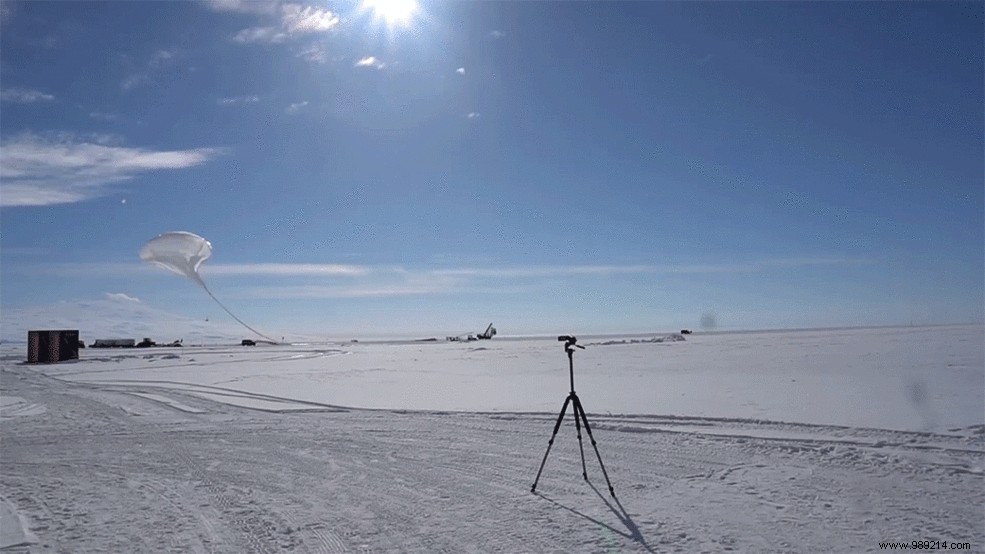
The launch is planned for December 2023 from Antarctica, where the balloon will drift with polar air currents.
ASTHROS will ascend to 40 kilometers—far above commercial airliners at around 10 km, yet below the 100 km boundary of space. Stratospheric balloons offer NASA key advantages: lower costs, faster development, and the flexibility to test innovative technologies for future flagship space missions.
"These missions carry more risk than orbital ones but deliver outsized rewards at a fraction of the cost," explains JPL engineer Jose Siles. "ASTHROS will pioneer unprecedented astrophysical observations, validate cutting-edge tech, and train the next generation of scientists and engineers."
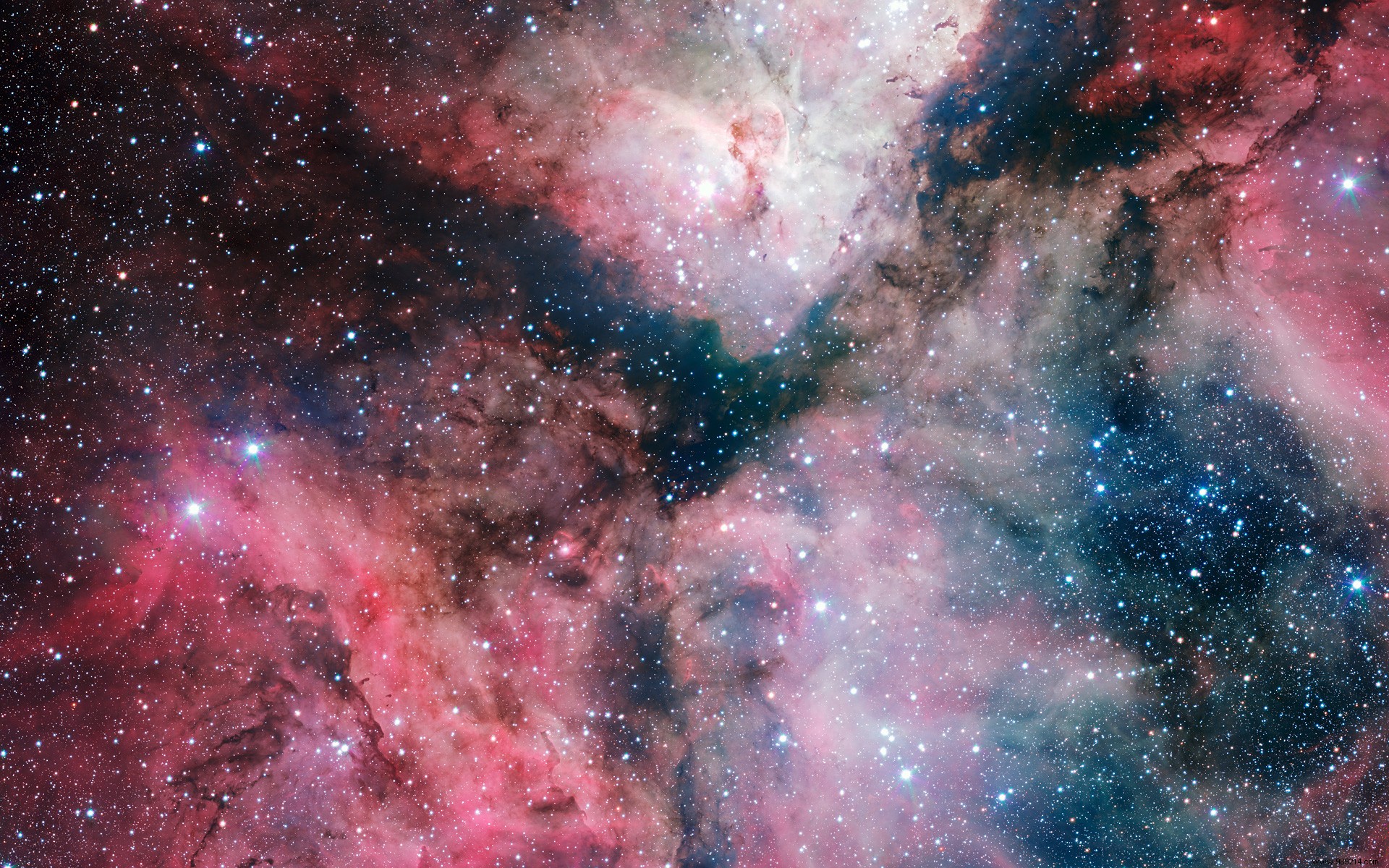
The mission targets gas dynamics around young stars, focusing on four key regions: two stellar nurseries in the Milky Way, the galaxy Messier 83, and TW Hydrae—a young star encircled by a vast protoplanetary disk.
ASTHROS will detect two key nitrogen ions, tracing how massive star winds and supernovae reshape gas clouds in star-forming zones.
This stellar feedback process can disperse material to halt star formation, compress it to accelerate it, or—in cases like TW Hydrae—foster planet formation over millions of years.
Helium-filled, the balloon will span 150 meters when fully inflated. A gondola beneath will house the instruments, enabling real-time telescope control and data downloads.
Post-mission, commands will detach the gondola, deploying a parachute for a safe landing. The telescope can then be recovered, refurbished, and reflown.
