NASA has finalized the primary mirror for the Nancy Grace Roman Space Telescope, enabling observations with a field of view 100 times greater than Hubble's.
The Nancy Grace Roman Space Telescope (previously known as WFIRST) stands alongside the James Webb Space Telescope as one of NASA's most eagerly awaited observatories. Its expansive field of view will unlock profound cosmic mysteries, including dark matter and dark energy—the forces driving the universe's accelerating expansion. The telescope will map the distribution of matter across the cosmos and track the universe's expansion history over time.
Equipped for exoplanet discovery, the Roman Telescope will employ gravitational microlensing to survey roughly one hundred million stars, potentially revealing thousands of new worlds.
It will also feature a coronagraph instrument for direct exoplanet imaging, blocking starlight far more effectively than Hubble's. NASA's Jason Rhodes, a key project scientist, notes that Roman's "starglasses" coronagraph could suppress starlight by a factor of a billion.
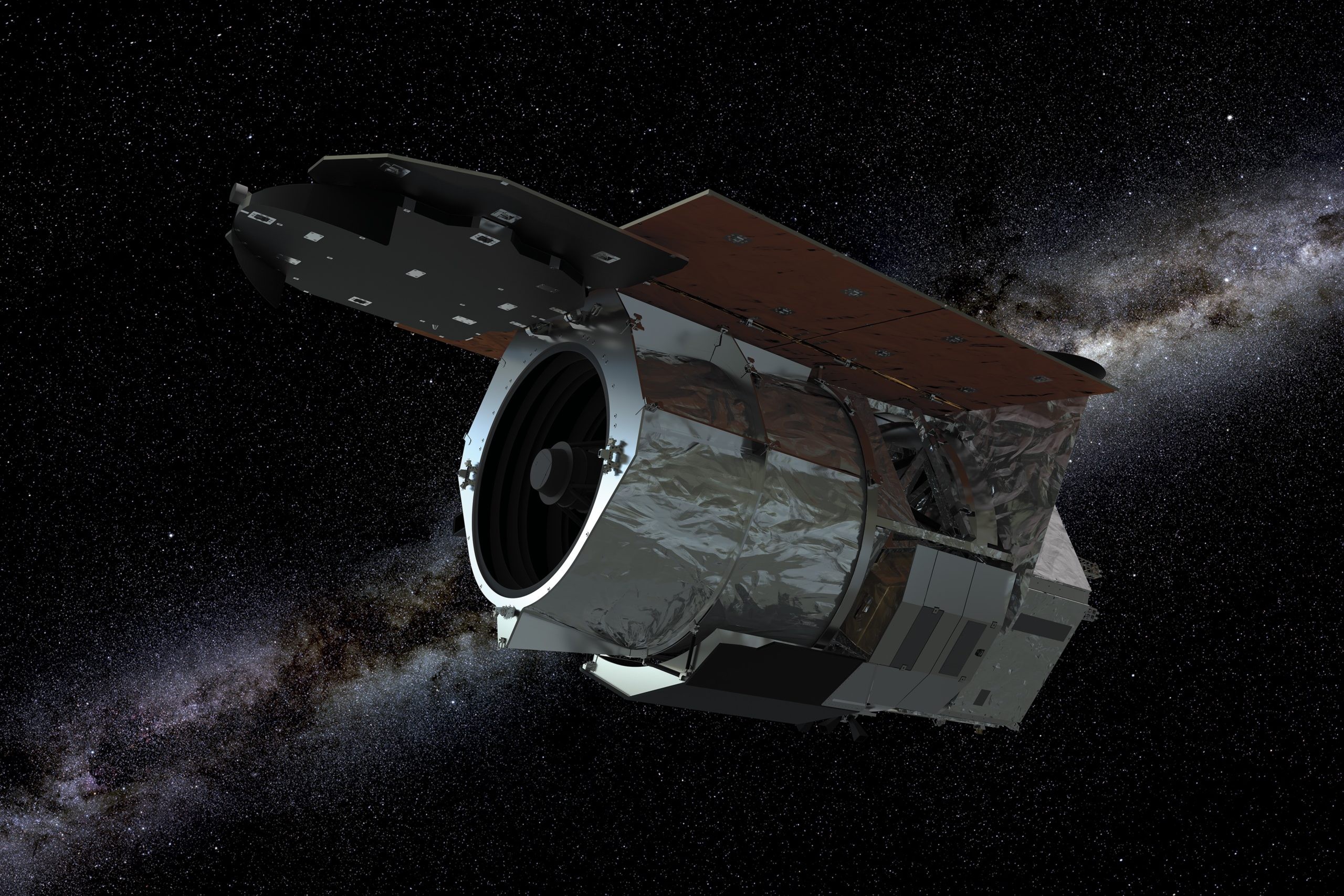
As preparations continue for launch, NASA recently announced the completion of the telescope's primary mirror—its optical core.
Matching Hubble's 2.4-meter diameter, this mirror weighs less than a quarter as much. Unlike Hubble's aluminum and magnesium fluoride coating for visible and UV light, Roman's features a silver layer less than 400 nanometers thick—about 200 times thinner than a human hair—optimized for near-infrared reflection.
Positioned 1.5 million km from Earth in the Sun's opposite direction, the mirror will direct light to the Wide Field Instrument and coronagraph.
The Wide Field Instrument, a 300-megapixel camera as sensitive as Hubble's, captures sky images 100 times larger. One Roman image equals the detail of 100 Hubble exposures.
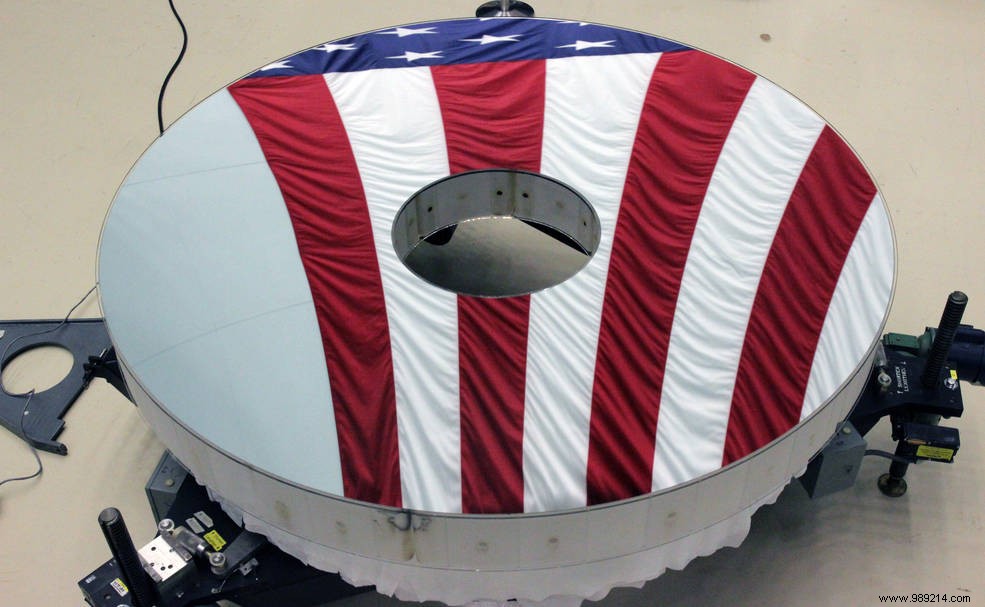
Polished to extreme precision, the mirror's surface irregularities peak at just 1.2 nanometers—over 100 times smoother than a typical household mirror and exceeding original specs. Scaled to Earth's size, these would measure about five millimeters.
This superior polish minimizes light scattering, delivering “even greater scientific benefits than originally anticipated,” per NASA's announcement.
Launch remains targeted for 2025 aboard a SpaceX Falcon Heavy or Blue Origin New Glenn, with a primary five-year mission.
