Russian cosmonauts have identified new cracks in the Zarya module of the International Space Station (ISS) that could potentially widen, according to a senior Roscosmos official on Monday. This revelation highlights Russia's growing reservations about its long-term partnership with the U.S. on the station.
Recently, cosmonauts Sergey Ryzhikov and Sergey Kud-Sverchkov spotted several cracks on a wall in the Zarya module, the ISS's oldest component, launched on November 20, 1998. It houses living quarters, supports the station's life support systems, and provides backups for the U.S. segment.
These fissures require vigilant monitoring. "It's bad," Vladimir Soloviev, chief engineer at rocket and space company Energia, told RIA Novosti, warning that they could expand and lead to an air leak.
These new cracks follow a series of recent ISS mishaps. In March, Russian cosmonauts sealed two small cracks in the same module. In August, the thrusters on Russia's Nauka research module fired unexpectedly, causing the station to shift slightly. Officials attributed it to a software glitch and "possible lack of human attention."
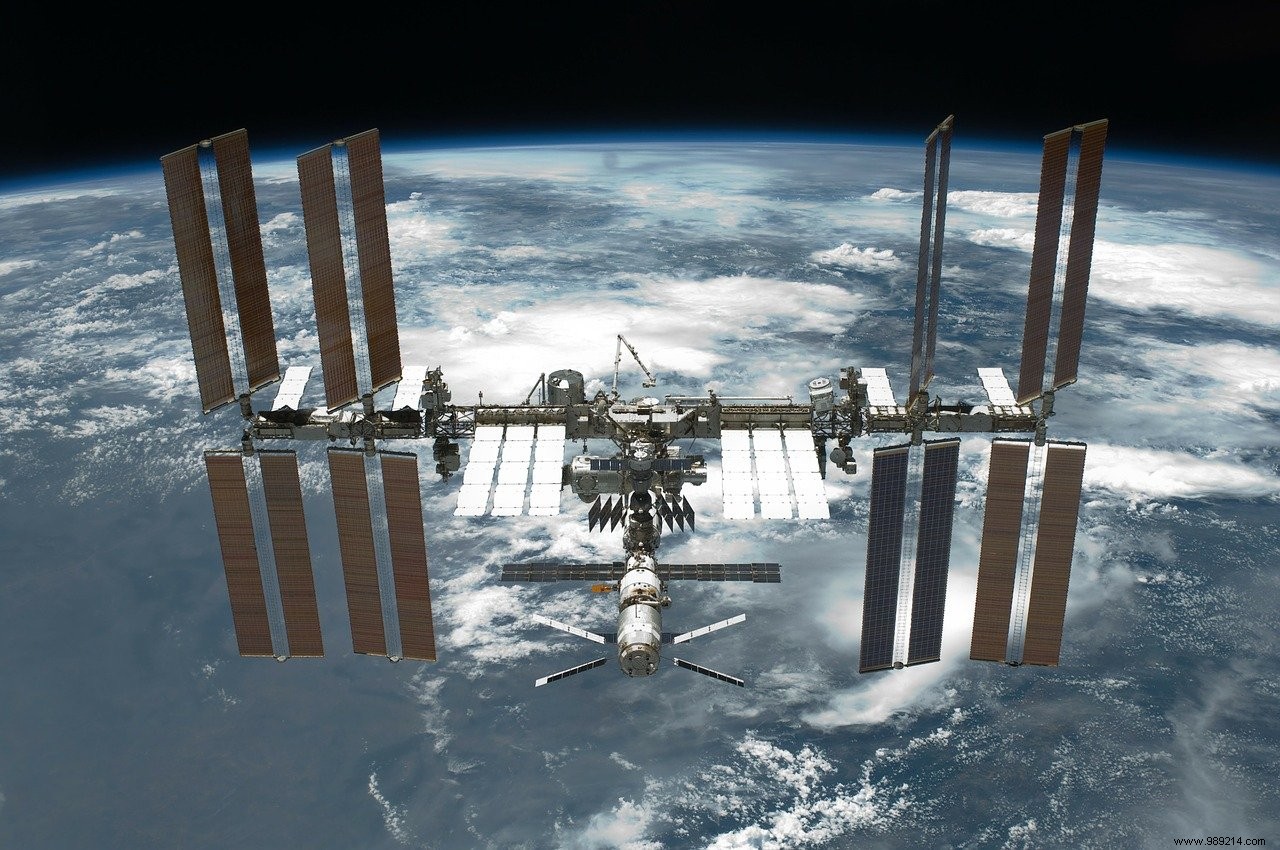
This update comes as Russia distances itself from ISS operations, potentially exiting by 2025. Recently, Russia accused a U.S. astronaut of sabotage, a claim some view as deflection from the Nauka incident.
Russian officials cite aging equipment as justification for departure, predicting an "avalanche" of failures ahead. These cracks bolster that narrative.
Meanwhile, Russia is collaborating with China on a lunar research station and plans to send cosmonauts to China's Tiangong space station.
