Are humans destined to become an interplanetary species? Visionaries believe so, but this ambitious expansion brings profound challenges—including critical food security issues that could spiral out of control.
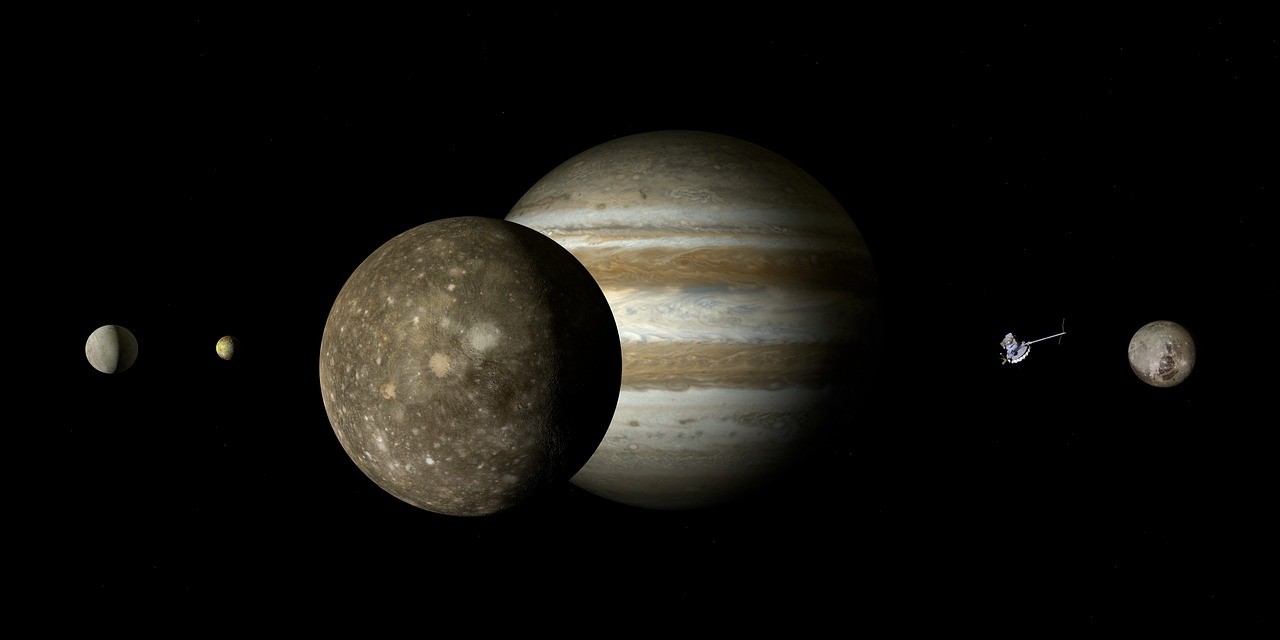
In the coming decades or centuries, humanity might establish outposts across the Solar System, perhaps even on distant moons like Callisto and Titan orbiting Jupiter and Saturn. Dr. Charles Cockell, astrobiologist at the University of Edinburgh, and Dr. Cameron Smith, anthropologist at Portland State University, recently shared insights with Metro on the harsh realities facing these pioneers.
These experts, aligning with broader scientific consensus, advocate spreading humanity across the Solar System as an "insurance policy" against extinction. Beyond technical and psychological hurdles, they highlight inevitable risks like food shortages and disease outbreaks.
"If agricultural systems fail, colonists could face catastrophic consequences—unless reliably supplied from Earth. If resupply is impossible due to distance or Earth's own collapse, extreme measures might be considered—even cannibalism," warns Dr. Cockell.
He draws a stark parallel to Sir John Franklin's 1845 Arctic expedition in search of the Northwest Passage. "The crew sailed on the era's most advanced ships, equipped with the latest canned provisions. Yet, isolation led to desperation, with evidence of cannibalism. The lesson? Even top-tier technology can't prevent rapid societal breakdown in isolated groups," Dr. Cockell explains.
Dr. Smith echoes the urgency of robust food production: "Priority one: Build reliable farming systems and stockpile reserves," he advises.
Diseases pose another threat, especially for initial generations, prompting his call for large, autonomous colonies capable of self-quarantine.
Far from mere alarmism, these insights serve as a vital caution. Drs. Smith and Cockell urge testing advanced cultivation systems on the Moon and Mars before venturing to the outer Solar System.
