China is set to leverage its innovative sea-based launch capabilities with at least three missions planned for 2021.
As a leading space power, China operates four major launch centers across its vast territory, including the key Jiuquan site. The nation is now expanding into maritime launches for greater flexibility.
Maritime platforms provide critical benefits: precise positioning enables trajectories avoiding other countries; first-stage boosters land safely in the ocean, sparing populated areas; and equatorial proximity harnesses Earth's maximum rotational speed, cutting fuel needs for orbit.
China's first sea launch occurred in June 2019, with the Academy of Solid Propulsion Technology deploying seven satellites via a Long March 11 from a Yellow Sea platform. A second success in September 2020 released nine satellites.
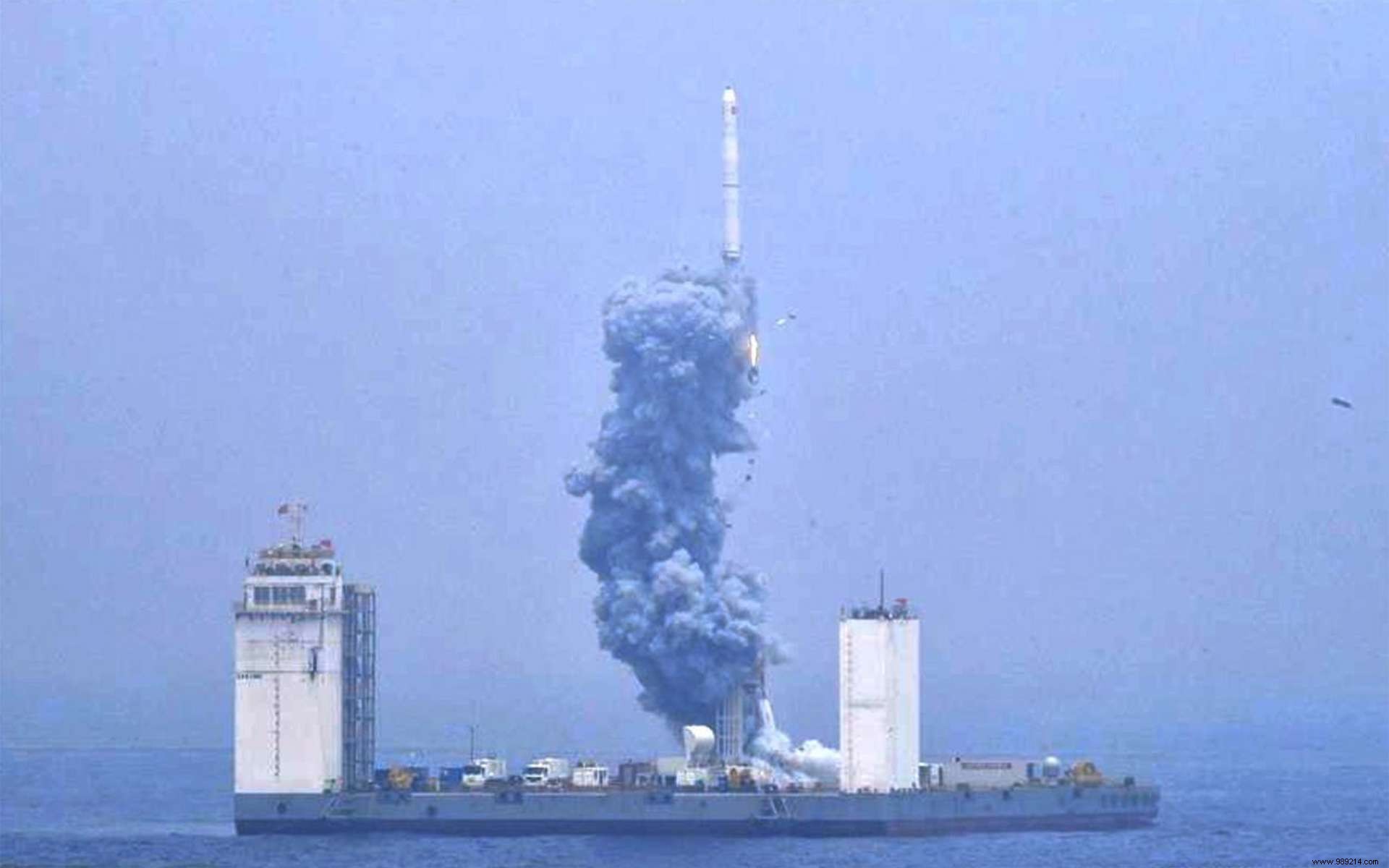
New facilities along Shandong Province's coast support this push. Li Tongyu, Long March 11 Commander-in-Chief at the China Academy of Launch Vehicle Technology (CALT), states the country plans three to four such launches this year.
"We have resolved all technical challenges for land and sea launches," he noted. "We will deploy these technologies for safe, reliable, and economical operations."
These missions use "cold launch" tech, ejecting rockets via gas generators before ignition, with remote control from a support vessel to protect crews.
CALT is advancing a more powerful Long March 11 variant, featuring a 2.65 m diameter first stage capable of 1,500 kg to a 700 km sun-synchronous orbit. First flight: 2022.
The China Aerospace Science and Technology Corporation (CASC) plans over 40 launches in 2021, including the initial module for its space station and crewed missions.
