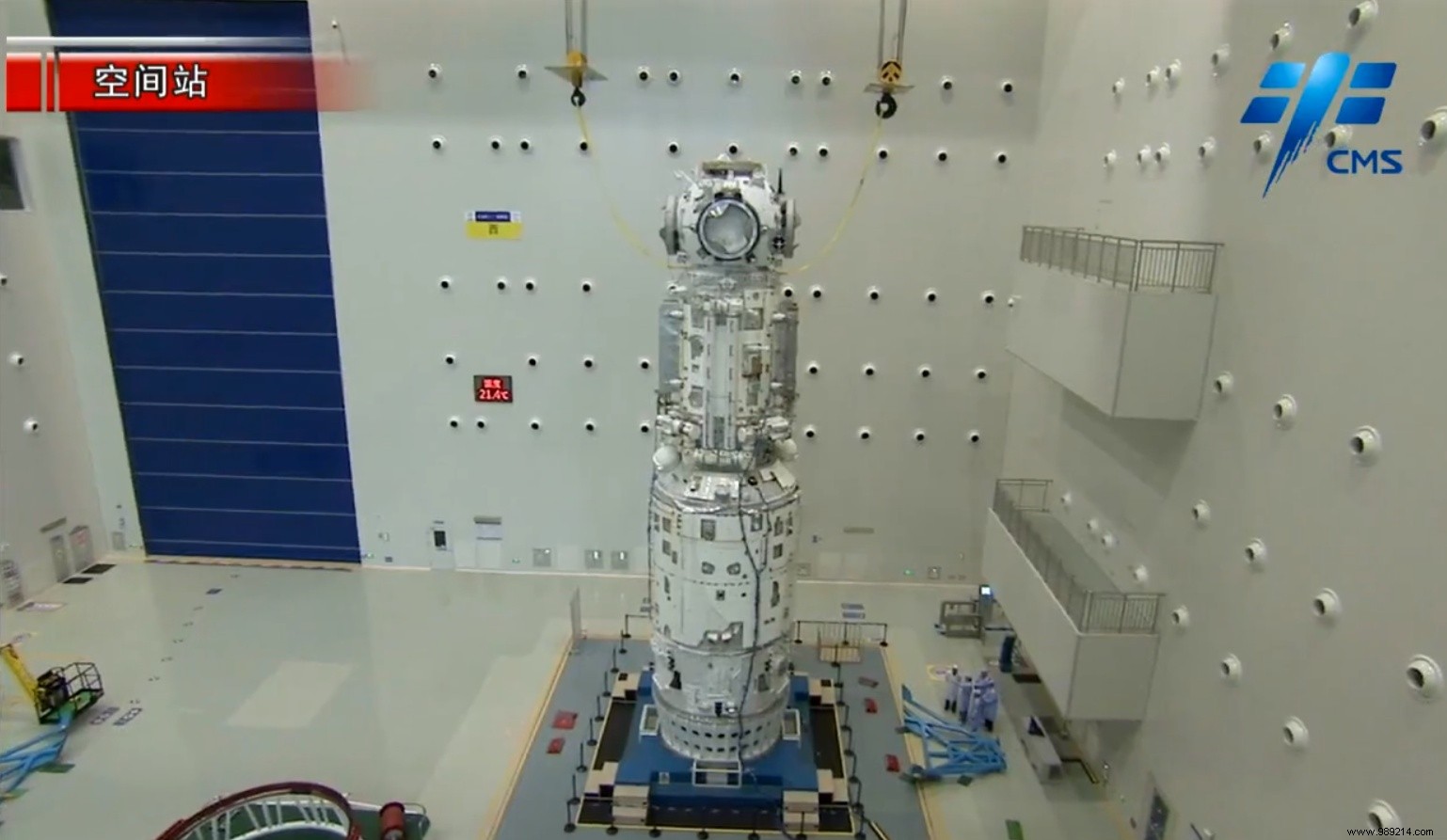
China's Tianhe core module, the foundation of the Tiangong space station, has successfully completed its flight acceptance tests and is primed for launch this spring, paving the way for the arrival of its first crew shortly after.
As the International Space Station (ISS) operates through the end of the decade before deorbiting, China's Tiangong (Heavenly Palace) station is set to complement and eventually succeed it. Taikonauts—China's astronauts—will conduct scientific experiments aboard, prepare for extended missions, and welcome international visitors, much like on the ISS.
This approximately 100-ton station will comprise three modules. The core Tianhe module (Harmony of the Heavens) has aced its flight acceptance exam and is slated for launch soon, likely in spring.
Measuring 18 meters long and weighing about 24 tons, Tianhe will serve as the primary living quarters for crews. It will supply power and propulsion for the entire station and feature a docking hub for the two forthcoming experiment modules.
Tianhe includes docking ports for Shenzhou crewed capsules and Tianzhou cargo ships, plus an airlock for extravehicular activities (spacewalks).
The module will launch atop a Long March 5B rocket from Wenchang Launch Center on Hainan Island.
Positioned at around 370 kilometers altitude with a 41-degree inclination, it will link up with the Tianzhou-2 cargo vessel, which has also passed readiness checks. Tianzhou-2 will launch on a Long March 7 from Hainan.
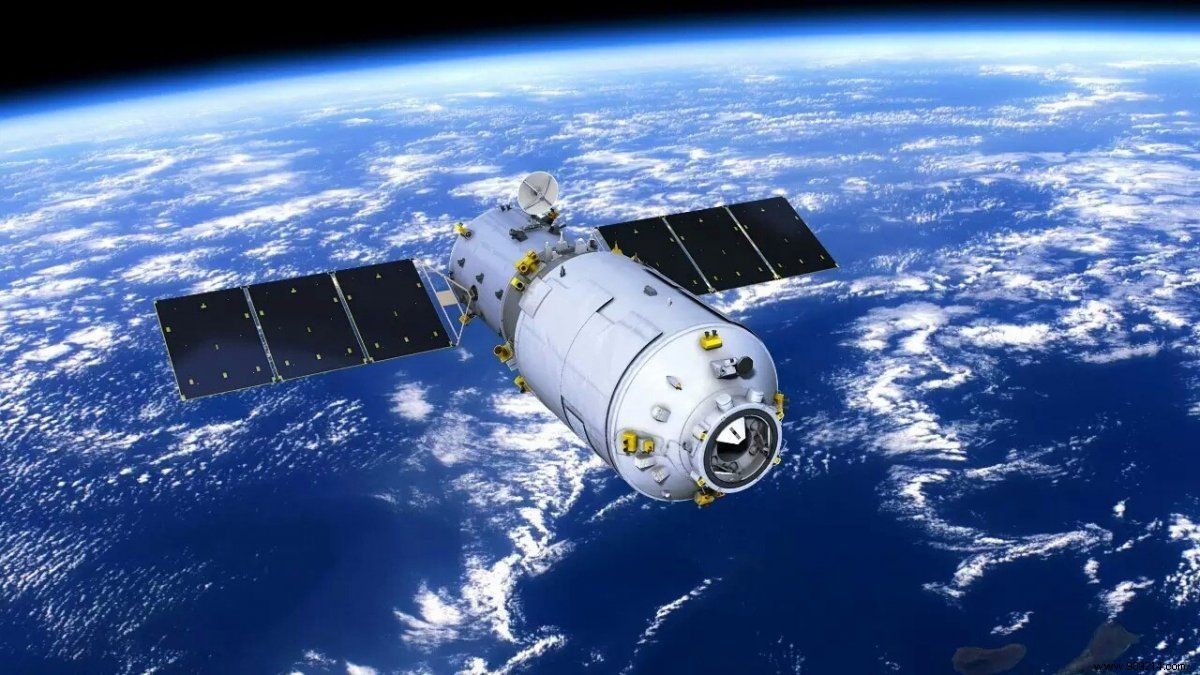
Though exact dates remain unconfirmed, the Shenzhou-12 crewed capsule—China's inaugural manned flight to the station—is expected soon after Tianzhou-2. It will lift off from Jiuquan in the Gobi Desert aboard a Long March 2F rocket.
