Who was the first man in space or to walk on the Moon? Space enthusiasts know these milestones well. But what about the first woman in orbit or the first shuttle commander? These stories are less familiar. Yet, countless women have broken barriers in space exploration. Here, we honor three remarkable pioneers whose achievements deserve wider recognition.
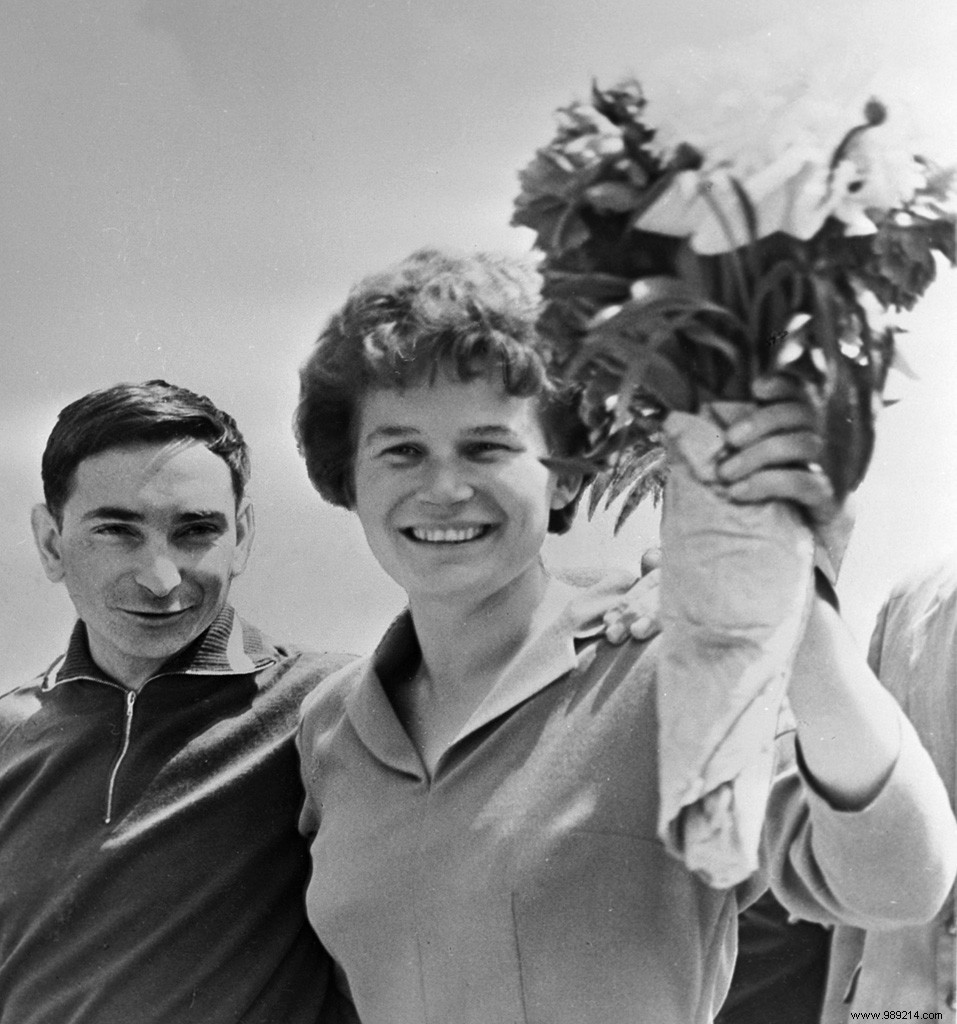
On June 16, 1963, Vostok 6 launched from the Soviet Baikonur Cosmodrome, carrying Valentina Tereshkova—the first woman to venture beyond Earth's atmosphere, just two years after Yuri Gagarin. At 26, she was chosen for her skydiving expertise and media savvy. Her ties to the Communist Party also played a role, as the Soviets aimed to claim this milestone before the Americans.
Tereshkova remains the only woman to fly solo in space and one of the youngest astronauts ever. It took two decades for the next woman to follow her into orbit.
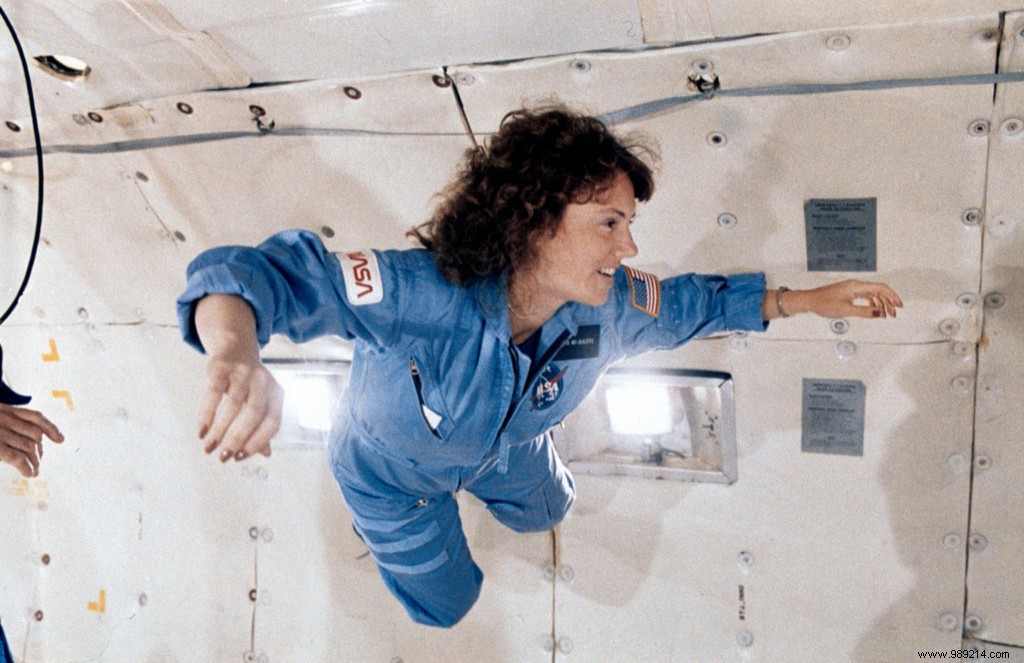
In 1984, President Ronald Reagan launched the Teacher in Space Project to inspire Americans with spaceflight. NASA selected Christa McAuliffe from 11,500 applicants to become the first teacher in orbit, delivering lessons and conducting experiments aboard the Challenger.
Tragically, 73 seconds after launch on January 28, 1986, the shuttle exploded, killing all seven crew members—including McAuliffe—before a global TV audience. Her story, amplified by extensive training coverage, left an indelible mark on public consciousness.
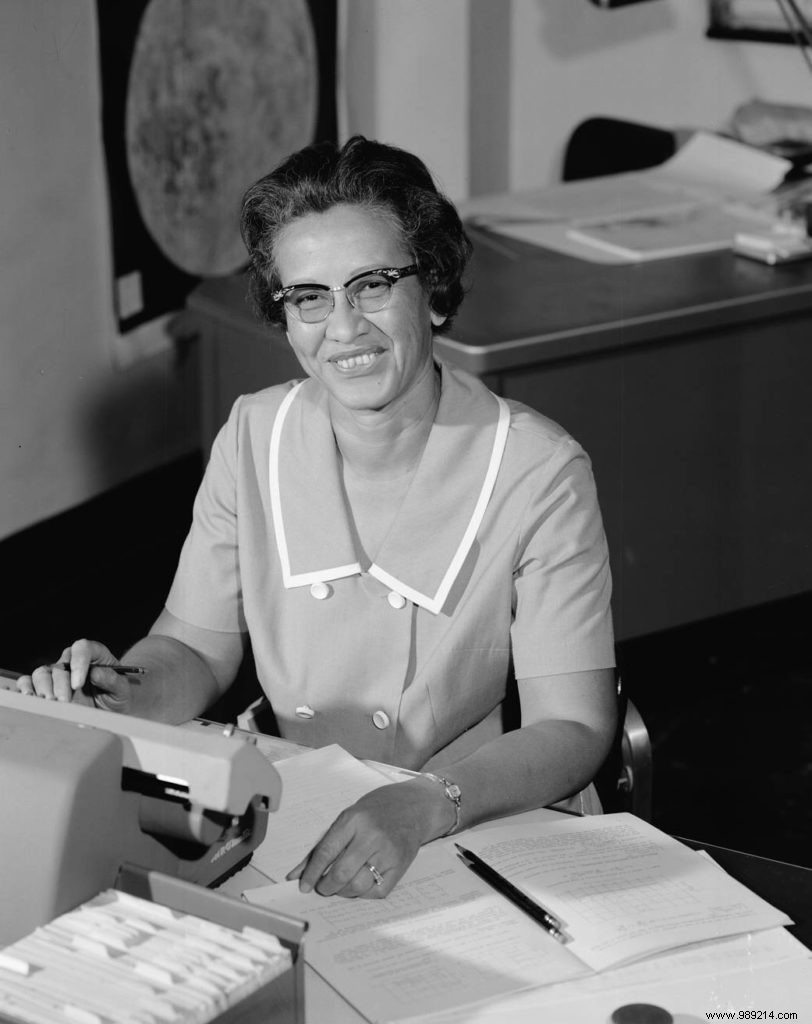
Born in 1918, Katherine Johnson showed prodigious mathematical talent early on. Joining NASA in 1953, she performed critical trajectory calculations for pivotal missions—long before computers dominated the field.
Though she never flew, Johnson's precision enabled extraordinary orbital maneuvers in the 20th century's latter half, including John Glenn's orbit and Apollo 11's Moon landing. Alongside Dorothy Vaughan and Mary Jackson, she shattered barriers as an African American woman in a male-dominated arena. Her legacy inspired the film Hidden Figures.