Jeff Bezos' Blue Origin has long aimed to send paying passengers on suborbital joyrides aboard its New Shepard rocket, reaching just over 100 km above Earth for stunning planetary views. Recent reports from CNBC suggest the inaugural crewed mission could launch as early as April.
On January 14, Blue Origin completed the 14th automated test flight of New Shepard, designated NS-14, from its West Texas launch site at Corn Ranch. This milestone validated a new booster and an upgraded crew capsule designed for future passengers. Key enhancements include a push-to-talk audio system for crew-to-mission-control communication, integrated alert panels at each seat, padded wall coverings, noise reduction, and improved air conditioning.
The 10-minute, 10-second flight—viewable at the article's end—propelled the crew capsule to 107 km altitude. The booster then landed vertically, akin to SpaceX's Falcon 9, while the capsule descended under parachutes.
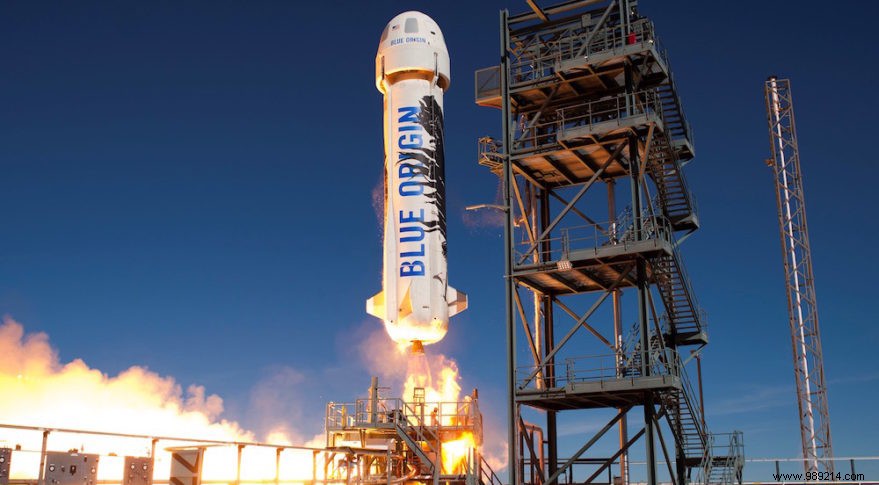
CNBC reports indicate Blue Origin plans another uncrewed test in six weeks—by late February—followed by a crewed debut six weeks later, around early April. This timeline remains unconfirmed officially.
Looking ahead, the company targets flights every six weeks, contingent on demand and vehicle reliability. For context, the prior NS-13 mission in October faced delays from a power issue after a nine-month hiatus.
Ticket prices are undisclosed but estimated at $100,000 to $200,000. Passengers can expect 3-4G acceleration on ascent, peaking at 5G for under 10 seconds on descent, plus 5-10 minutes of weightlessness to gaze at Earth through large portholes.
