On Earth, traces of the earliest life forms have largely vanished. But on cold, dry Mars, they could be preserved right beneath the surface.
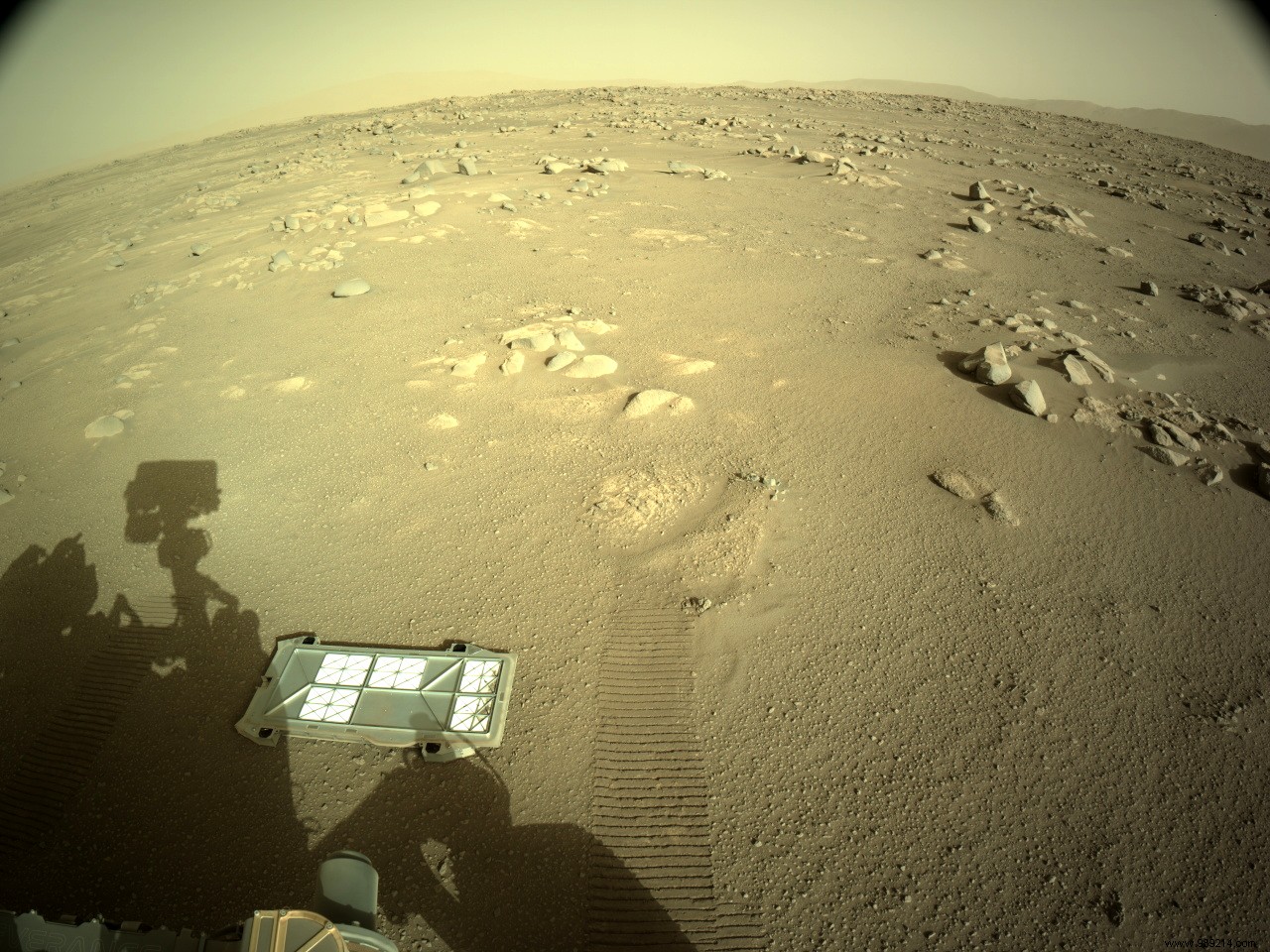
Just over a month ago, NASA's Perseverance rover touched down on Mars. The team has since verified its instruments and is gearing up for the next milestone: Ingenuity's historic flight. With that complete, Perseverance will embark on its core mission—hunting for signs of ancient life. NASA's focus on Mars to address the profound question, "Are we alone in the universe?" is no accident; compelling evidence supports it.
In the solar system's early days, Earth and Mars were strikingly alike. About 4.5 billion years ago, both planets cooled from molten magma into rocky worlds teeming with water and geological activity.
While Earth's chemistry evolved into biology, Mars offered a similarly hospitable environment. Liquid water flowed on its surface, shielded by a magnetic field from its molten core. Martian volcanoes released greenhouse gases, warming the atmosphere.
Today, Mars is a frigid, arid desert. Yet this harsh landscape makes it an ideal hunting ground for ancient life traces, says Dr. Sarah Johnson of Georgetown University, a veteran of NASA's Opportunity, Spirit, and Curiosity missions.
In 2017, Dr. Johnson and her team set up at McMurdo Station in Antarctica, on the icy slopes of Mount Boreas in the Olympus Range—a windy, mostly ice-free expanse of silt, sand, and rock. Its summit mimics Mars more closely than anywhere else on Earth.
Traversing this barren terrain, Dr. Johnson spotted a lighter patch of ground. "Beneath a pristine layer of ash lay preserved remnants of another era. Fourteen million years ago, before Antarctica became a frozen desert, a lake had existed right there under my boots," she recounted.
Donning a sterile suit and gloves, she collected samples resembling "tufts of human hair." Back in the lab, she placed one strand in a Petri dish. "Adding a drop of water, it rehydrated instantly. Though most Antarctic life had vanished, in my hand were tiny leaves of ancient bryophytes."
Under the microscope, "the preservation was extraordinary, revealing the intricate beauty of organisms from a warmer continent."
Nowhere on Earth are such delicate samples preserved as well as in Antarctica's deep freeze. In warmer, wetter climates, carbon bonds degrade rapidly. Heat and moisture foster life but also accelerate decay.
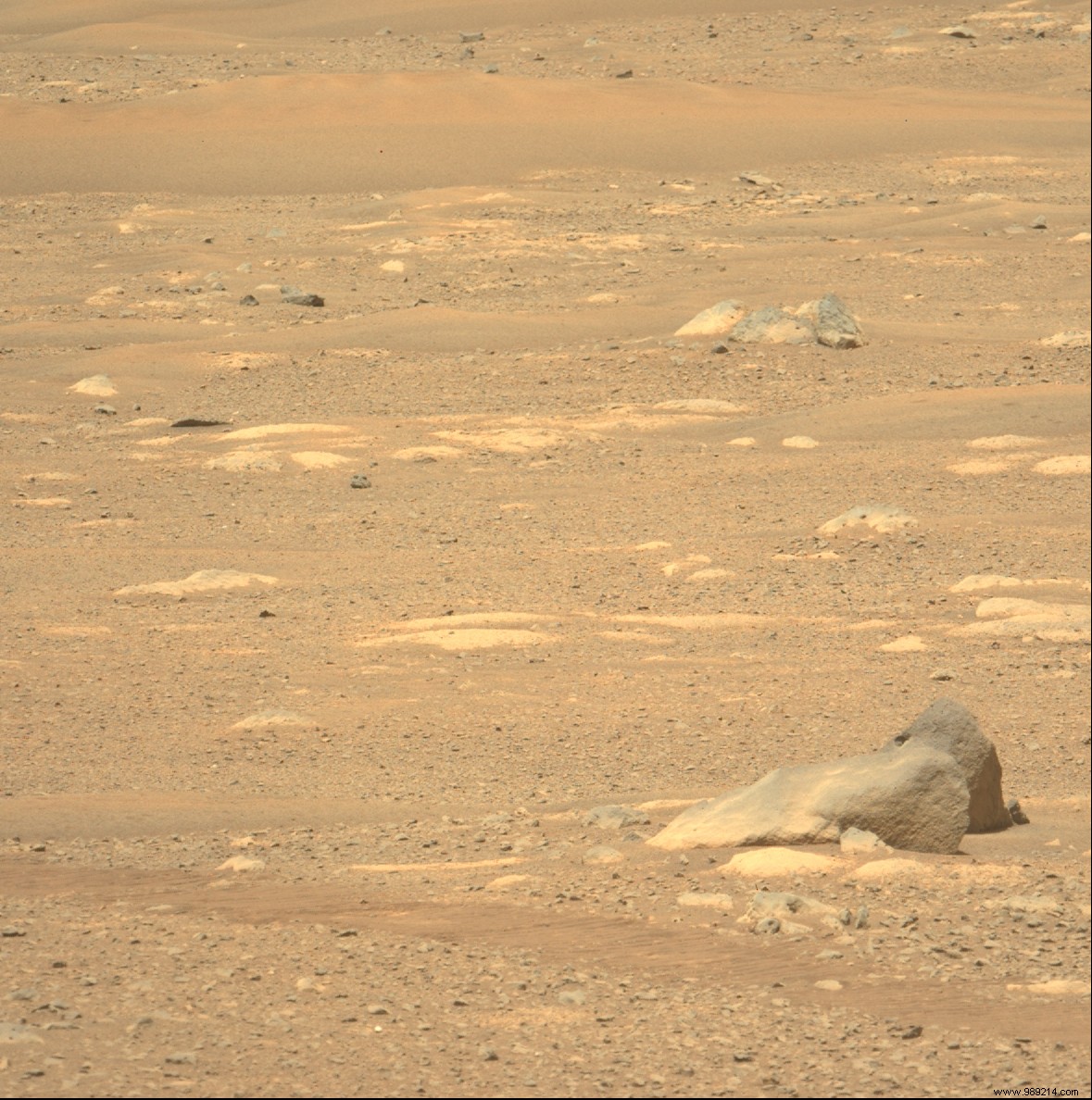
This draws a direct parallel to Jezero Crater, where Perseverance roams—a cold, dry, stable environment. While complex life like bryophytes is unlikely, microbial fossils from an ancient ecosystem could remain.
Earth's plate tectonics have buried such traces deep underground. Mars lacks this process, so if life ever thrived there, its signs may sit just under the rover's wheels.
