Analysis of Martian meteorites by researchers at Brown University suggests the Red Planet's subsurface could harbor extant life. Published in Astrobiology, the study bolsters the case for drilling missions to probe these depths.
On Earth, most life depends on sunlight, but deep-dwelling organisms thrive without it, relying on chemical reactions between rocks and water.
One key process is radiolysis, where radioactive elements in rocks split water molecules into hydrogen and oxygen. Hydrogen fuels microbes, while oxygen binds to minerals like pyrite, forming sulfates.
These microbes have been isolated at sites like Canada's Kidd Creek mine, over 1.5 km underground in water untouched by light for more than a billion years.
For his doctoral research, Jesse Tarnas and colleagues at Brown University analyzed Martian meteorites representing diverse crustal regions to assess subsurface habitability.
Their findings show that, in contact with water, these rocks could generate the chemical energy required to support microbial communities akin to Earth's deep biosphere.
Such energy sources are especially abundant in breccias over 3.6 billion years old. Unlike Earth, Mars lacks plate tectonics, preserving these ancient rocks largely intact.
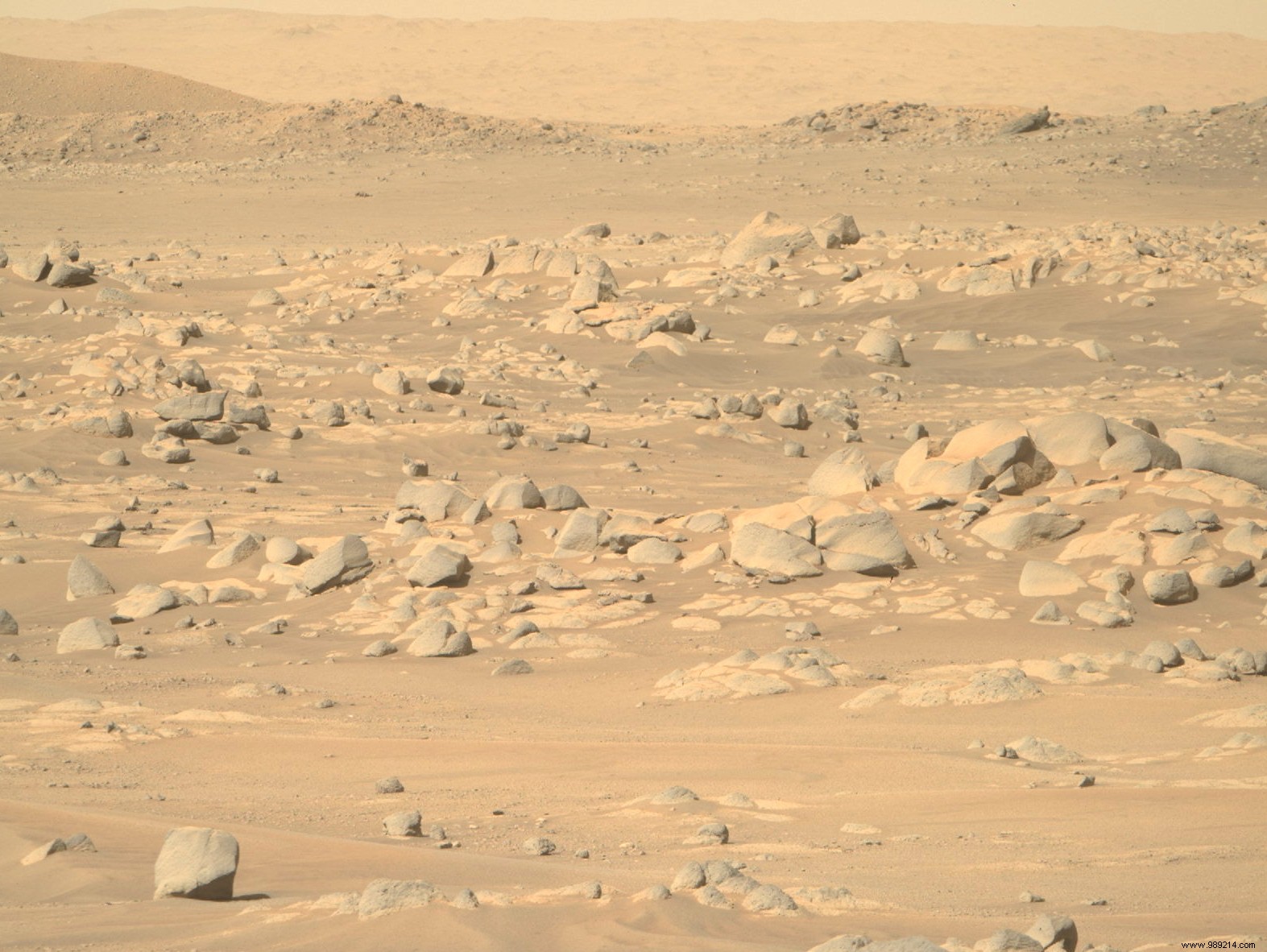
Since the meteorites reflect vast swaths of Martian crust, much of the subsurface may be habitable.
“The key takeaway for subsurface exploration is that wherever groundwater exists on Mars, there's likely sufficient chemical energy for microbial life,” says Jesse Tarnas. “We don't know if life arose there, but if it did, there's enough energy to sustain it today.”
This research advocates for a drilling program to seek biosignatures. Mars once had groundwater—and possibly still does. In 2018, astronomers detected a potential 20-km-wide lake 1.5 km beneath the southern ice cap.
