After pandemic-related delays, the European Space Agency's ExoMars mission is primed for a September launch. Its goal: to investigate evidence of past microbial life on the Red Planet.
Like NASA's Perseverance rover, the joint European Space Agency (ESA) and Roscosmos ExoMars program aims to detect traces of ancient life, likely microbial. Originally slated for 2020, the mission faced setbacks from parachute deployment issues and COVID-19 disruptions. High costs demanded zero risk of a crash landing.
With NASA's assistance, ESA has resolved the parachute challenges. The mission now awaits the next viable launch window.
Optimal Mars launch windows occur every 26 months, when Earth aligns with Mars for efficient travel—reaching the planet in just six to seven months while conserving fuel and costs.
ESA targets a launch between September 20 and October 1 aboard a Russian Proton rocket from Kazakhstan's Baikonur Cosmodrome. The Kazachok surface platform and Rosalind Franklin rover would then touch down in Mars' Oxia Planum region in June 2023. This clay-rich site, fed by ancient channels and situated 3,000 meters below Martian 'sea level,' offers ideal geology and atmospheric braking for landing.
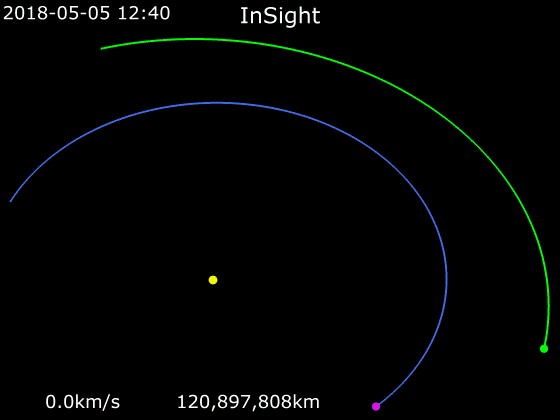
At the core of ESA's ExoMars program is the quest to determine if life ever existed—or persists—on Mars. Roscosmos' stationary Kazachok platform will deploy instruments to analyze subsurface water distribution and the Martian environment.
ESA's Rosalind Franklin rover will roam the surface, drilling up to 2 meters deep for samples shielded from surface radiation. These will be analyzed on-site for potential biomarkers. The mission, designed to span about five years, hopes to proceed despite Russia-West tensions over Ukraine.
