Deep beneath Russia's Lake Baikal, the world's deepest lake, a groundbreaking neutrino telescope is set to yield its first scientific results after decades of challenges.
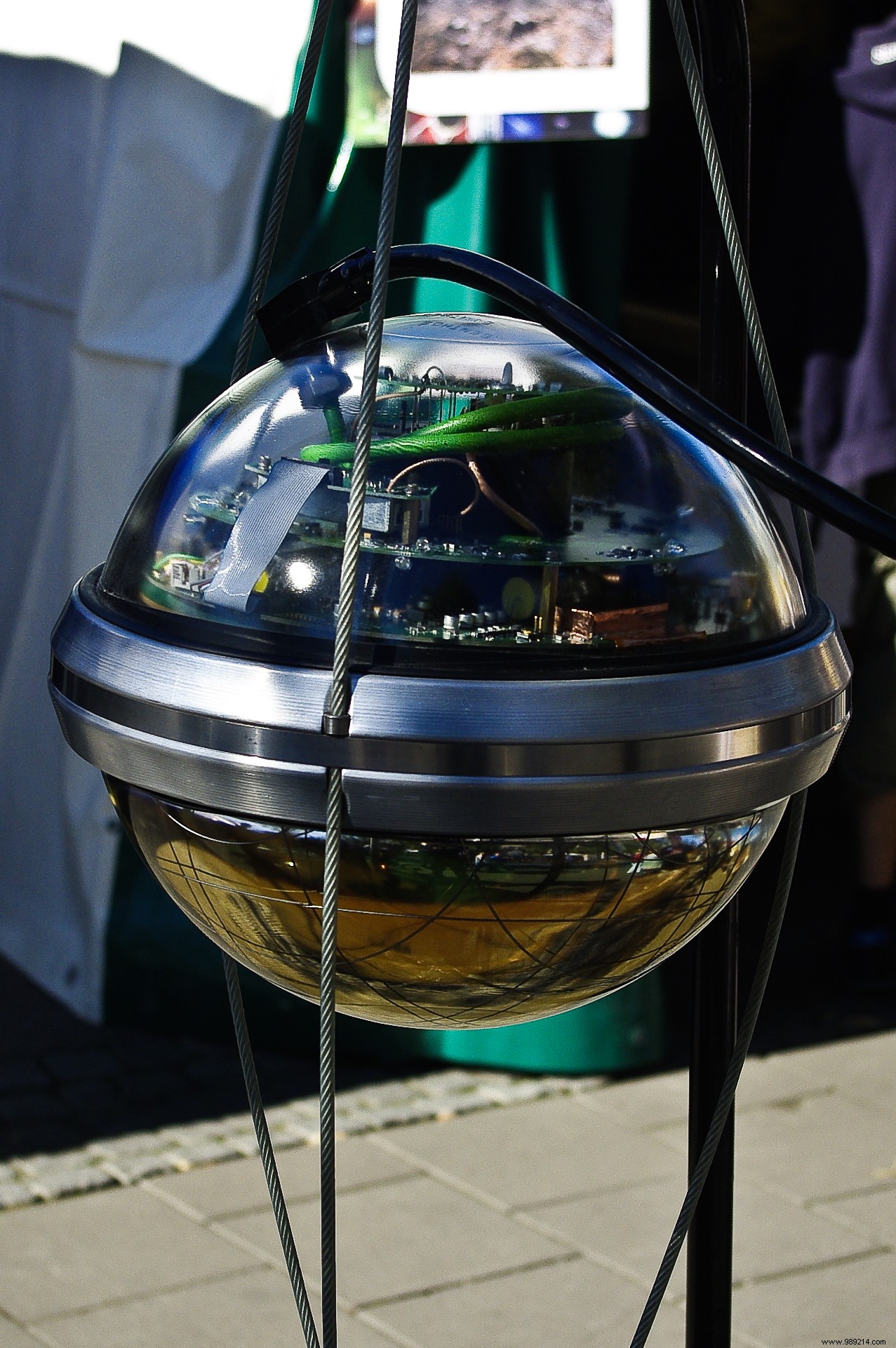
Teams lower glass orbs, each the size of a beach ball, through holes in the ice—one after another. In total, 36 of these optical detectors, strung along a metal cable, plunge more than 1,200 meters into the frigid waters.
Over 60 such cables, anchored and buoyed 3 km from the south coast, will form this cutting-edge observatory. Designed by leading physicists, it targets black holes, distant galaxies, and stellar remnants by capturing neutrinos—elusive cosmic particles so tiny that trillions pass through your body every second.
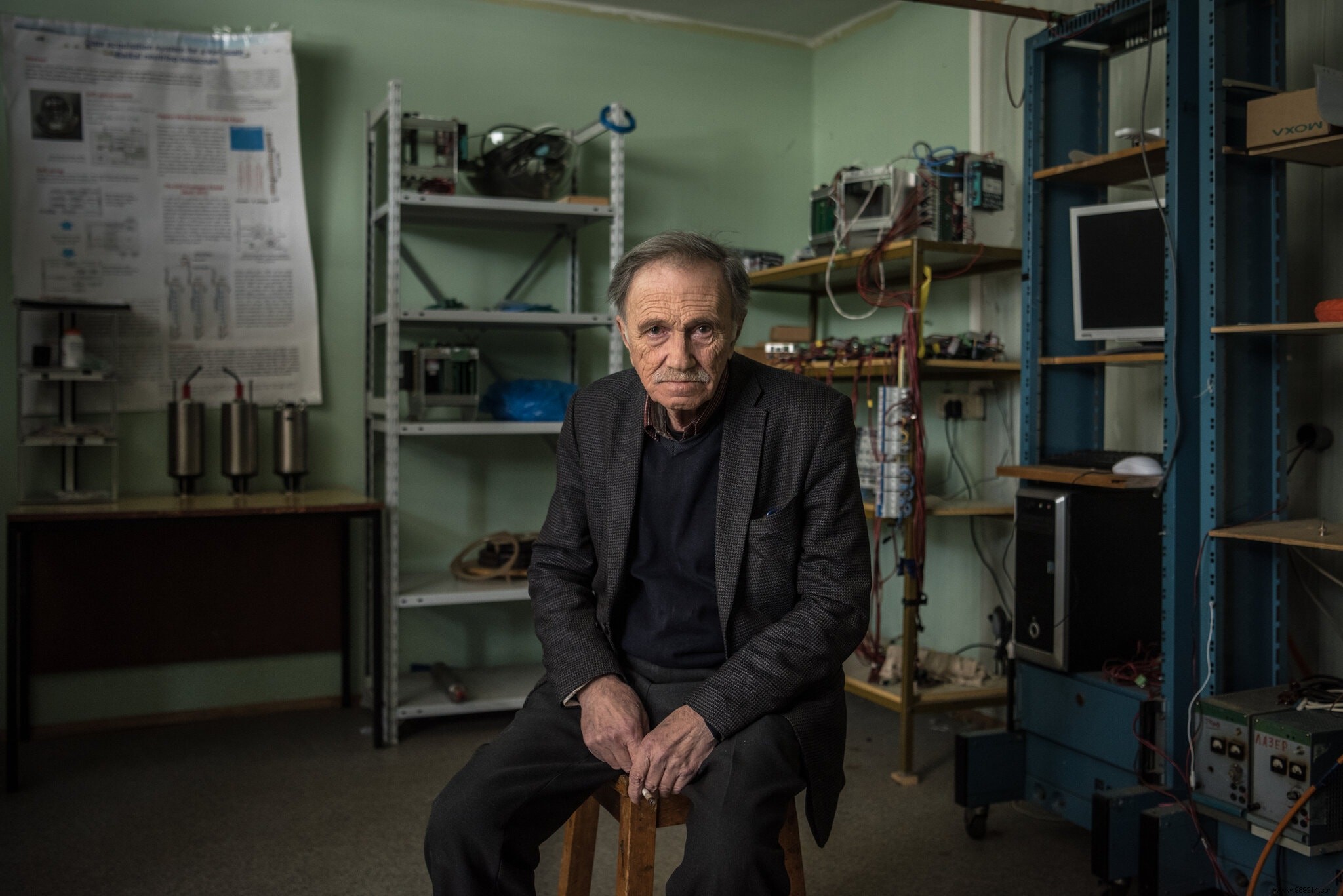
Deciphering their signals could reveal profound cosmic secrets. As Grigori V. Domogatsky, the 80-year-old Russian physicist who spearheaded this project, puts it: "You should never miss the chance to ask nature questions. You never know what answer you'll get."
This Baikal initiative joins global efforts like IceCube, the largest neutrino detector buried in Antarctic ice near the South Pole, led by astrophysicist Francis Halzen of the University of Wisconsin-Madison. IceCube's 2017 detection of a high-energy neutrino, traced to a supermassive black hole, underscores the potential. Baikal will complement it as the northern hemisphere's premier facility.
Soviet scientists' pioneering work inspired Halzen and IceCube. In the 1970s, amid Cold War tensions, U.S. and Soviet teams collaborated on a deep-sea detector off Hawaii—until the Soviet invasion of Afghanistan halted it.
By 1980, Moscow's Nuclear Research Institute, under Domogatsky, turned to Lake Baikal. The Soviet collapse stalled progress, leaving scientists struggling, until Germany's DESY center intervened, providing supplies like butter, sugar, coffee, sausages, and salary support for winter expeditions, recalls Christian Spiering, who led the German team.
In the mid-1990s, they detected atmospheric neutrinos from Earth's upper atmosphere but needed scale for cosmic ones.
Russia's renewed science investment under Vladimir Putin in the 2000s secured over €30 million, enabling the new telescope's construction.
Why Baikal? At 1,642 meters deep, it boasts exceptionally clear freshwater, a Tsarist-era railway along its south shore, and meter-thick winter ice—ideal for deploying photomultiplier arrays.
The telescope gazes downward through Earth, using our planet as a filter. Rare neutrino-nucleus collisions produce muons, emitting distinctive blue Cherenkov light cones.
Spherical optical sensors detect these faint flashes, allowing scientists to trace muon paths—and thus neutrino origins. Uncharged neutrinos travel straight, unaffected by magnetic fields.
Construction started in 2015. This month marks completion of the first phase with 2,304 orbs. First results are imminent as the ice thaws. The cosmic hunt is on!
