On Monday, Blue Origin—the rocket company founded by Jeff Bezos—filed a formal protest with the U.S. Government Accountability Office (GAO), challenging NASA's selection of SpaceX as the sole provider for its next-generation lunar lander.
Last year, NASA awarded initial contracts to Blue Origin, Dynetics, and SpaceX to develop human landing systems for the Artemis program's return to the Moon starting in 2024. Recently, however, the agency selected only SpaceX, sparking backlash from competitors.
Blue Origin submitted a detailed 50-page protest to the GAO. As noted by The New York Times, "The dispute underscores that, whatever the outsized ambitions of Mr. Musk and Mr. Bezos for the future, the current fortunes of their space companies and the ability to generate the profits necessary to achieve their grandiose dreams depend on business concerns like competing for government contracts."
Blue Origin CEO Bob Smith criticized NASA's evaluation as based on "erroneous assessments." He argued the agency "underestimated the advantages of the Blue Origin proposal" and "minimized the technical challenges of SpaceX's project." Smith also contended that NASA should have selected two providers, as it had previously indicated—though the agency made no official promise to do so. Ultimately, NASA chose SpaceX for compelling reasons.
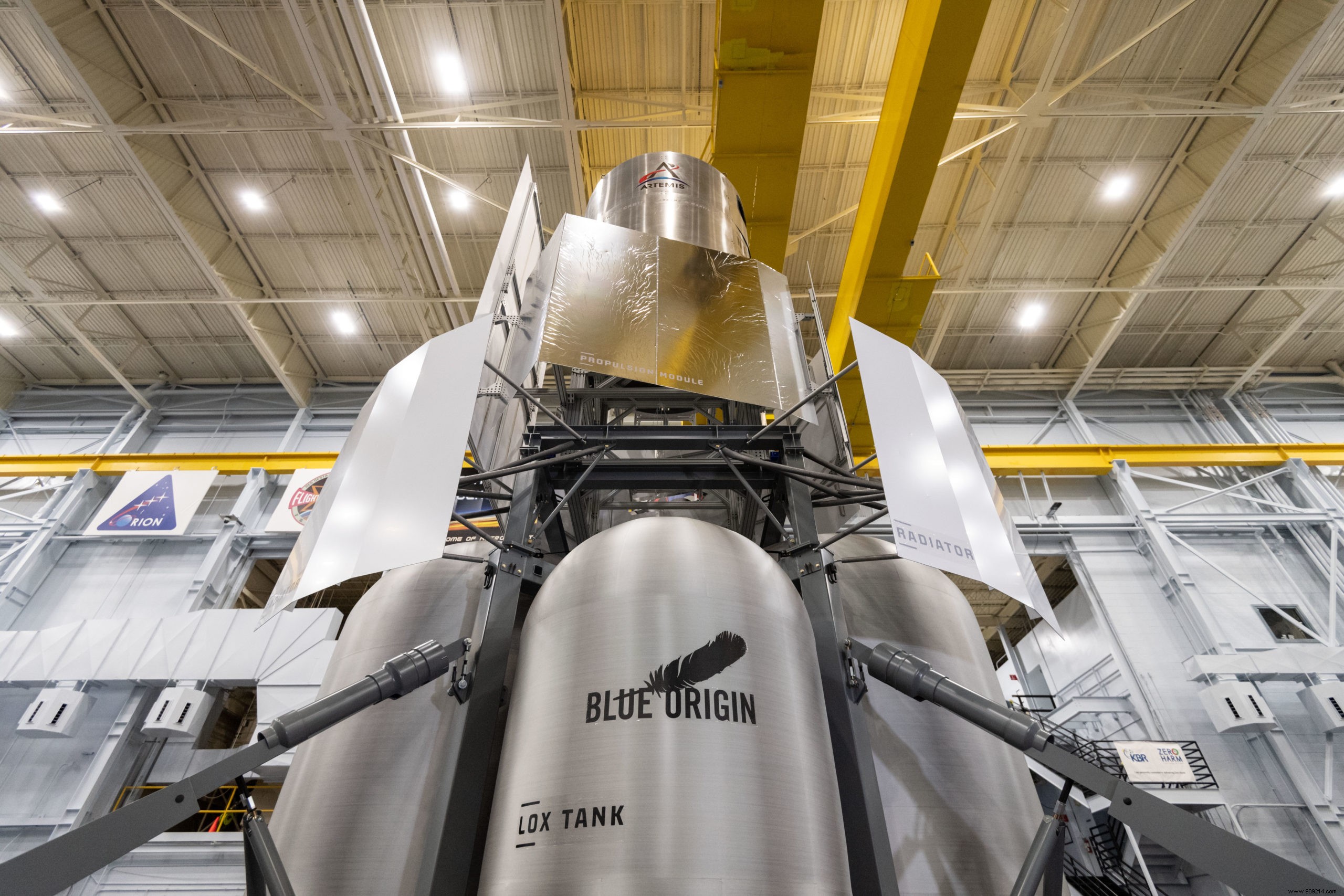
Congress allocated just $850 million to NASA for the current fiscal year—a quarter of the agency's request for lunar lander development. NASA Associate Administrator Kathy Lueders explained that this constrained budget influenced the single-provider decision.
Blue Origin's proposal was estimated at $6 billion—more than double SpaceX's bid. Smith claimed NASA negotiated a lower price with SpaceX but offered Blue Origin no such opportunity. "We have not had the opportunity to revise our price, and that is fundamentally unfair," he stated.
Beyond cost, SpaceX's Starship offers greater capacity, enabling it to transport more people per trip while being fully reusable. Though technically ambitious—requiring in-orbit refueling with methane and liquid oxygen—it positions NASA for scalable, low-cost lunar missions.
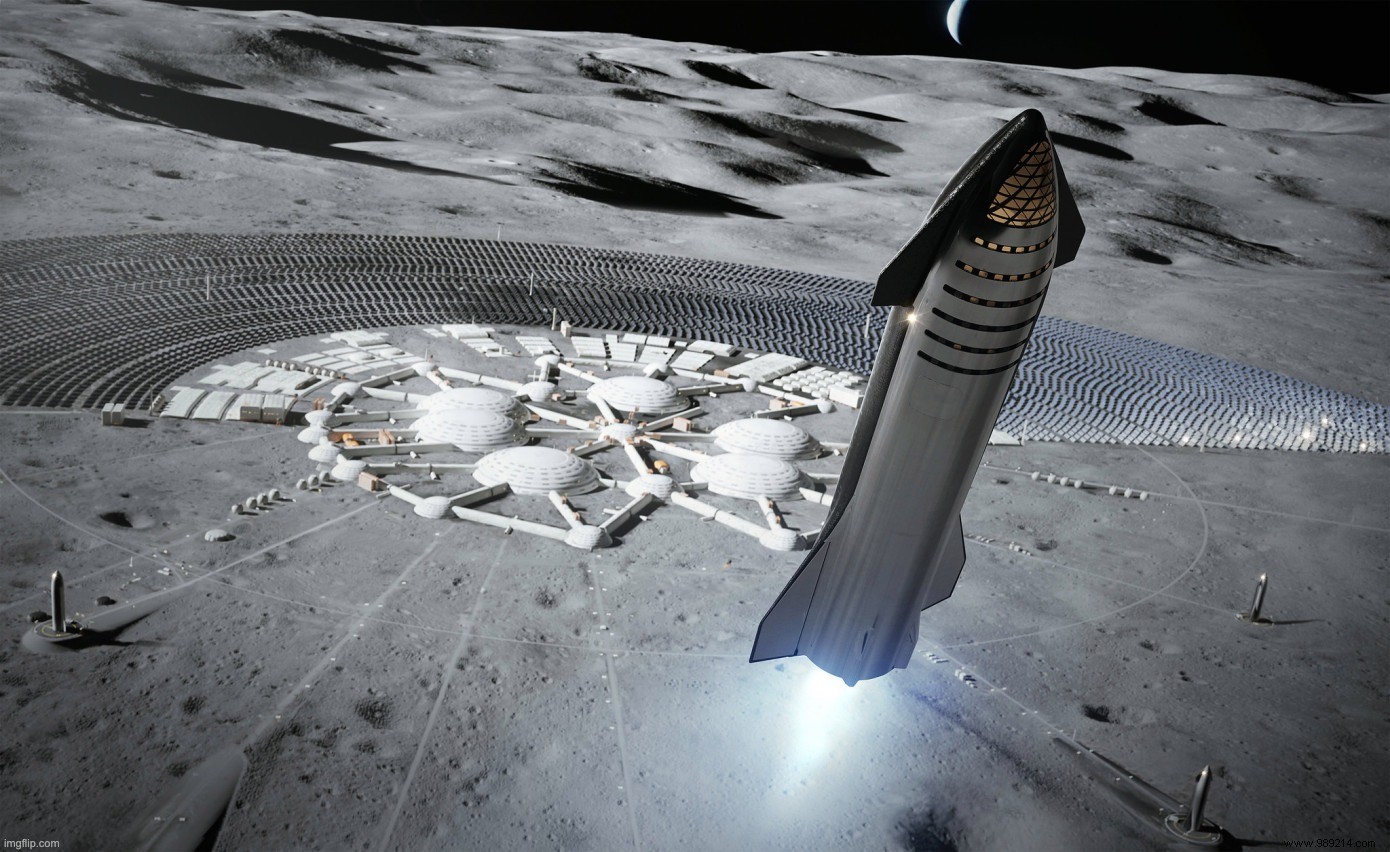
SpaceX has surged ahead in recent years: Its Falcon 9 dominates commercial satellite launches, and the Crew Dragon has successfully ferried three crews to the International Space Station.
Blue Origin trails behind. Its New Shepard has succeeded in suborbital tests, but the orbital New Glenn rocket won't fly until 2022 at the earliest.
Lueders noted a future competition for additional landers remains open to Blue Origin, Dynetics, and others. Smith confirmed Blue Origin's interest but expressed frustration. The GAO now has 100 days to rule on the protest.
