Astronomers have introduced SatHub, a vital new tool designed to address the escalating interference from mega-satellite constellations disrupting astronomical observations.
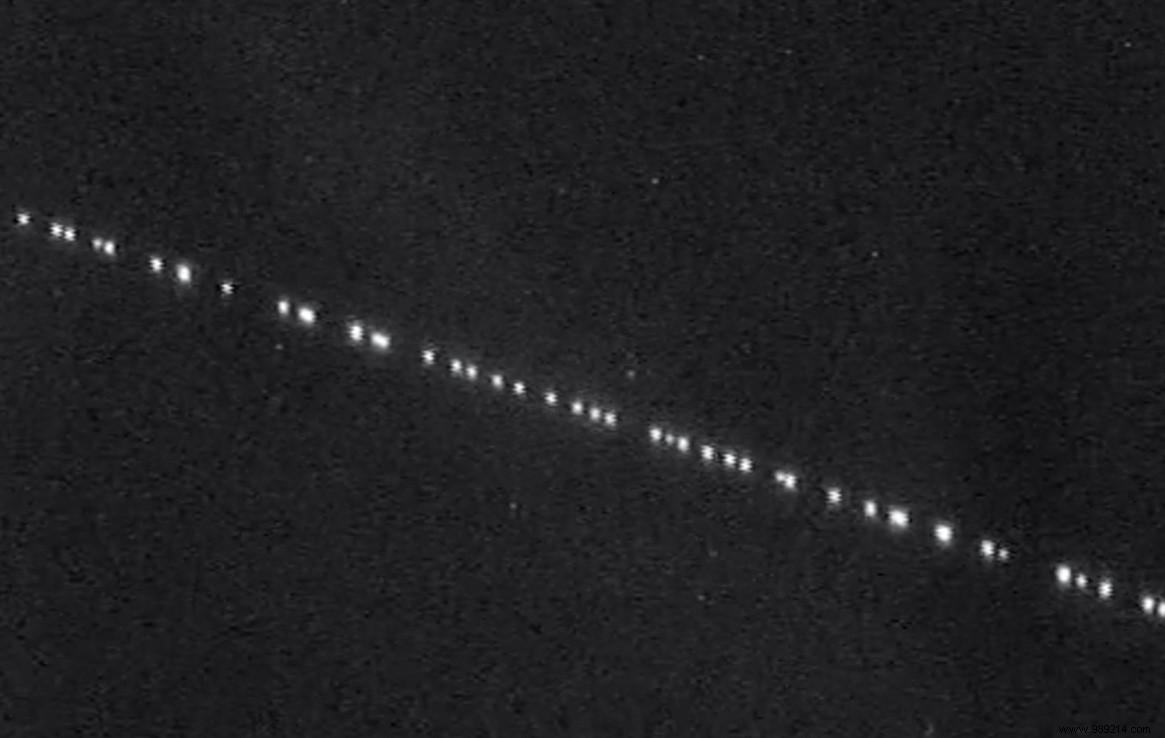
Satellite constellations aren't new, but their rapid expansion—fueled by affordable space access—poses unprecedented challenges. SpaceX's Starlink leads with 1,630 operational satellites out of 12,000 planned. Competitors like Amazon's Kuiper, OneWeb (recently rescued from bankruptcy), and China's planned 13,000 broadband satellites are also entering the fray.
These broadband networks could transform night sky research, as satellites shine millions of times brighter than faint celestial objects, ruining hours-long exposures under pristine dark skies. A mistimed observation means starting over.
Global astronomers united in SATCON (SATellites CONstellation) workshops to forge coexistence strategies. SATCON1 recommendations included capping low-Earth orbit altitudes below 600 km, dimming satellites, advancing image-processing software to erase tracks, and sharing orbital data for better planning.
Progress includes SpaceX's "sunshades" to cut solar reflections. SATCON2, concluding July 16, 2021, with over 350 experts from astronomy, satellite operations, and policy, emphasized software solutions. "We need a major software development effort," noted Jonathan McDowell of the Harvard-Smithsonian Center for Astrophysics.
SatHub emerges as a centralized platform aggregating orbital data, per SpaceNews. It empowers astronomers to schedule observations effectively and deploy specialized software to correct satellite-disrupted data.
"It's a one-stop shop for Low Earth Orbit satellite constellation observation needs," explains Meredith Rawls of the University of Washington. "We want to get ahead and avoid redundant efforts across isolated groups."
Still in early development, SatHub requires time and funding—ideally from satellite operators. A Trailblazer prototype may launch later this year. Nominations to the International Astronomical Union are due September 10, with deliberations extending into year-end.
Researchers also call on nations, per the 1967 UN Outer Space Treaty, to license operators only after assessing and minimizing satellites' environmental impacts.
