The groundbreaking TOLIMAN space telescope is set to zero in on Alpha Centauri—our solar system's closest neighbor—to hunt for potentially habitable planets. Using the precise radial velocity technique, it's slated for launch in the mid-2020s.
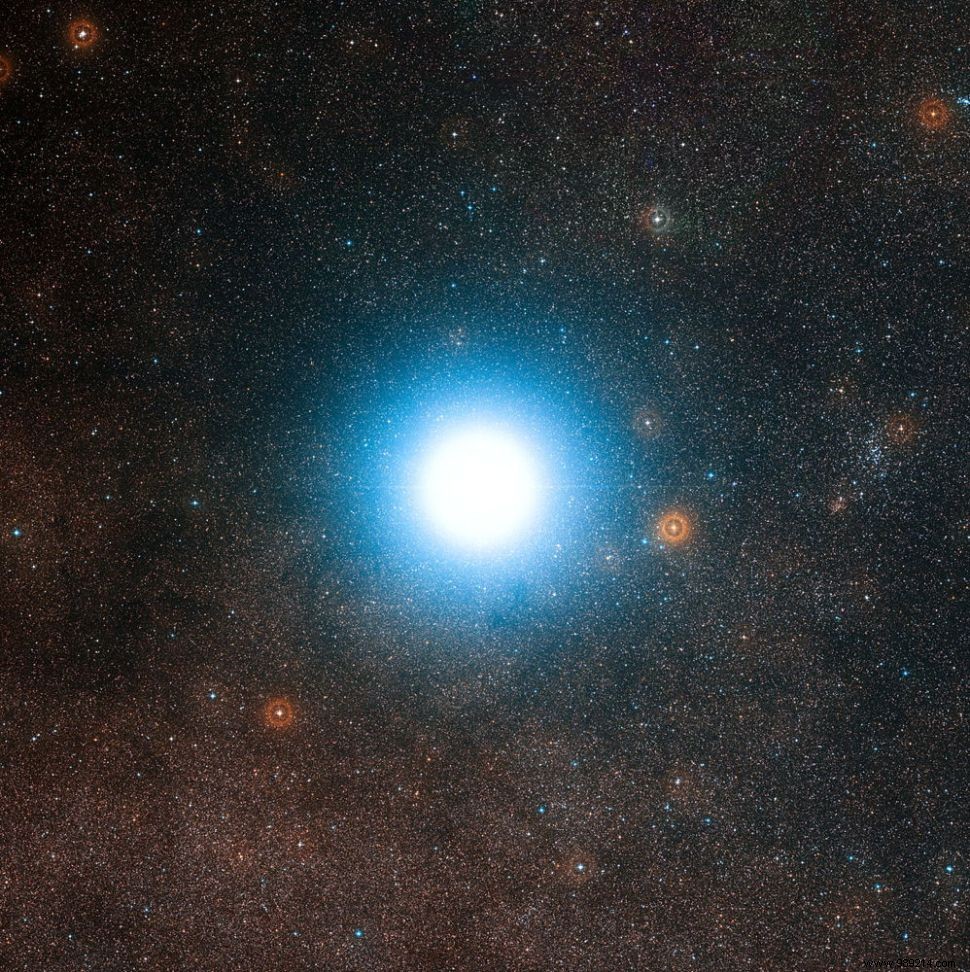
Just 4.2 light-years away, Alpha Centauri comprises three stars: two Sun-like giants and Proxima Centauri, a red dwarf already known to host at least two exoplanets. One orbits in the habitable zone, bearing striking similarities to Earth. But are there more waiting to be discovered?
Astronomers from Breakthrough Initiatives are spearheading the TOLIMAN mission, leveraging the radial velocity method to unlock these secrets.
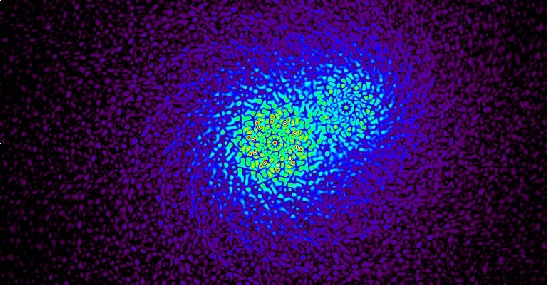
TOLIMAN features a diffractive pupil lens that scatters starlight into a distinctive floral pattern, enabling unprecedented detection of subtle shifts in the stars' positions. These minute "wobbles" signal the gravitational tug of unseen orbiting planets.
“Finding planets around even the nearest bright stars is a monumental technological feat,” says Eduardo Bendek, optical engineer at NASA’s Jet Propulsion Laboratory and TOLIMAN contributor. “Our custom space telescope will deliver ultra-precise measurements of stellar positions. Orbiting planets induce tiny, detectable oscillations in their host stars.”
While crewed missions to Alpha Centauri remain science fiction for now, TOLIMAN will address fundamental questions about its worlds. Targeting the habitable zones of all three stars, it aims to reveal whether these nearby systems could support life by scrutinizing their atmospheres, if present.
Bolstered by $788,000 in funding from the Australian government, the mission is on track for deployment in the mid-2020s.
