Tucked inside NASA's Perseverance rover is a compact device designed to convert Mars' carbon dioxide-rich atmosphere into breathable oxygen. This groundbreaking experiment demonstrates technology essential for future human exploration of the Red Planet.
As NASA's Perseverance rover nears its landing in the Jezero crater on Thursday, February 18, one highlight is the Mars Oxygen In-Situ Resource Utilization Experiment, or MOXIE. This golden box will produce small quantities of pure oxygen from Martian atmospheric carbon dioxide, mimicking the process trees use on Earth but through advanced engineering.
MOXIE showcases technology that could enable future astronauts to breathe on Mars and, crucially, fill oxygen tanks for their return journey to Earth.
While Perseverance's primary mission focuses on seeking signs of ancient life, MOXIE operates as a technology demo, running intermittently—perhaps once every few months.
A key challenge: the device demands substantial power to heat its core component to around 800°C. Each run lasts about two hours for warmup and one hour of production, consuming most of the rover's daily power supply.
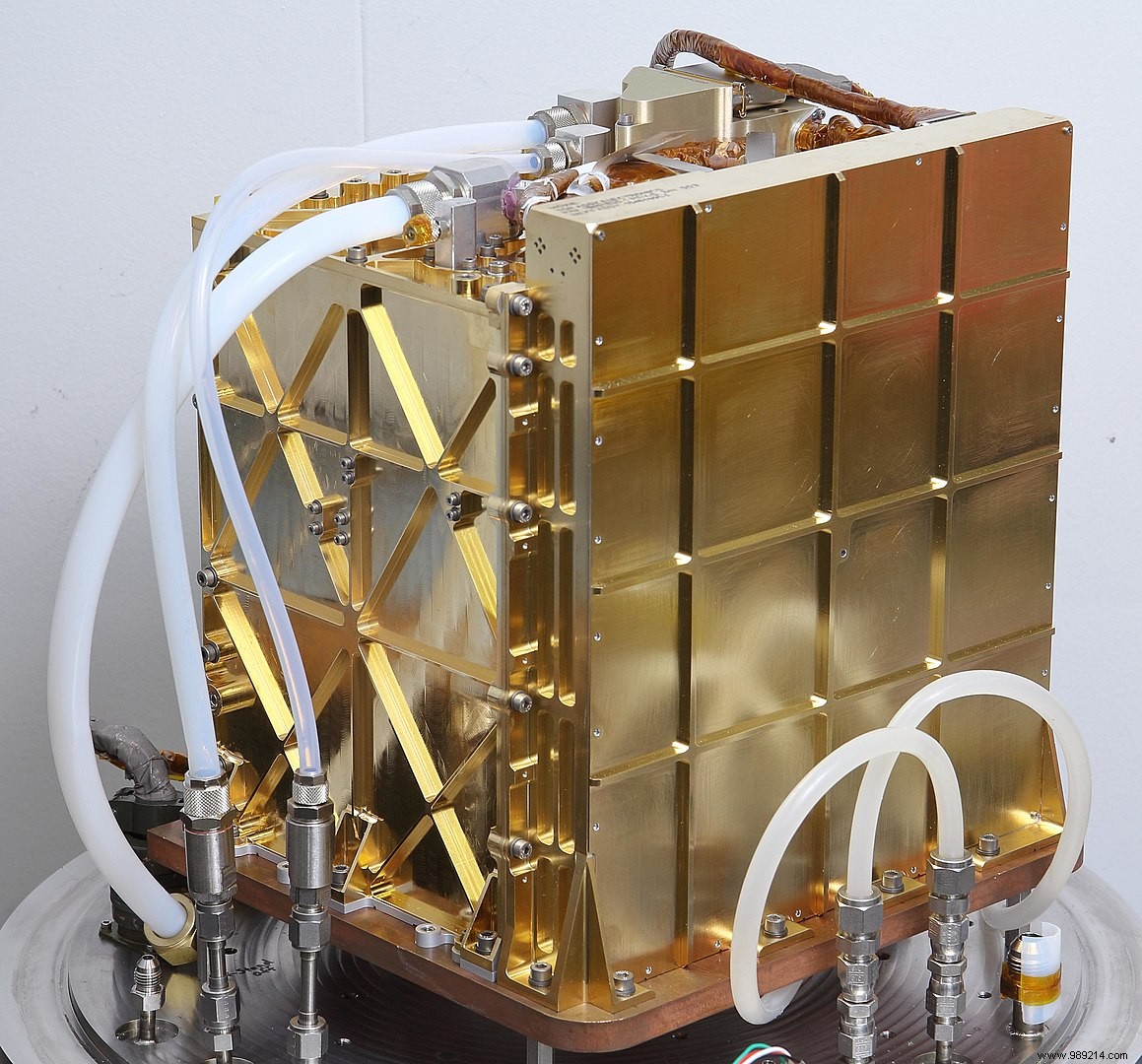
MOXIE extracts CO2 from Mars' thin atmosphere and separates carbon from oxygen, releasing carbon monoxide as a byproduct that dissipates easily.
Precision is critical: incomplete CO2 processing risks producing carbon soot that could clog the device.
Insufficient power poses another risk, potentially reversing the reaction. Instead of generating oxygen from CO2, MOXIE could produce CO2 from oxygen, degrading its components since no external oxygen source exists on Mars.
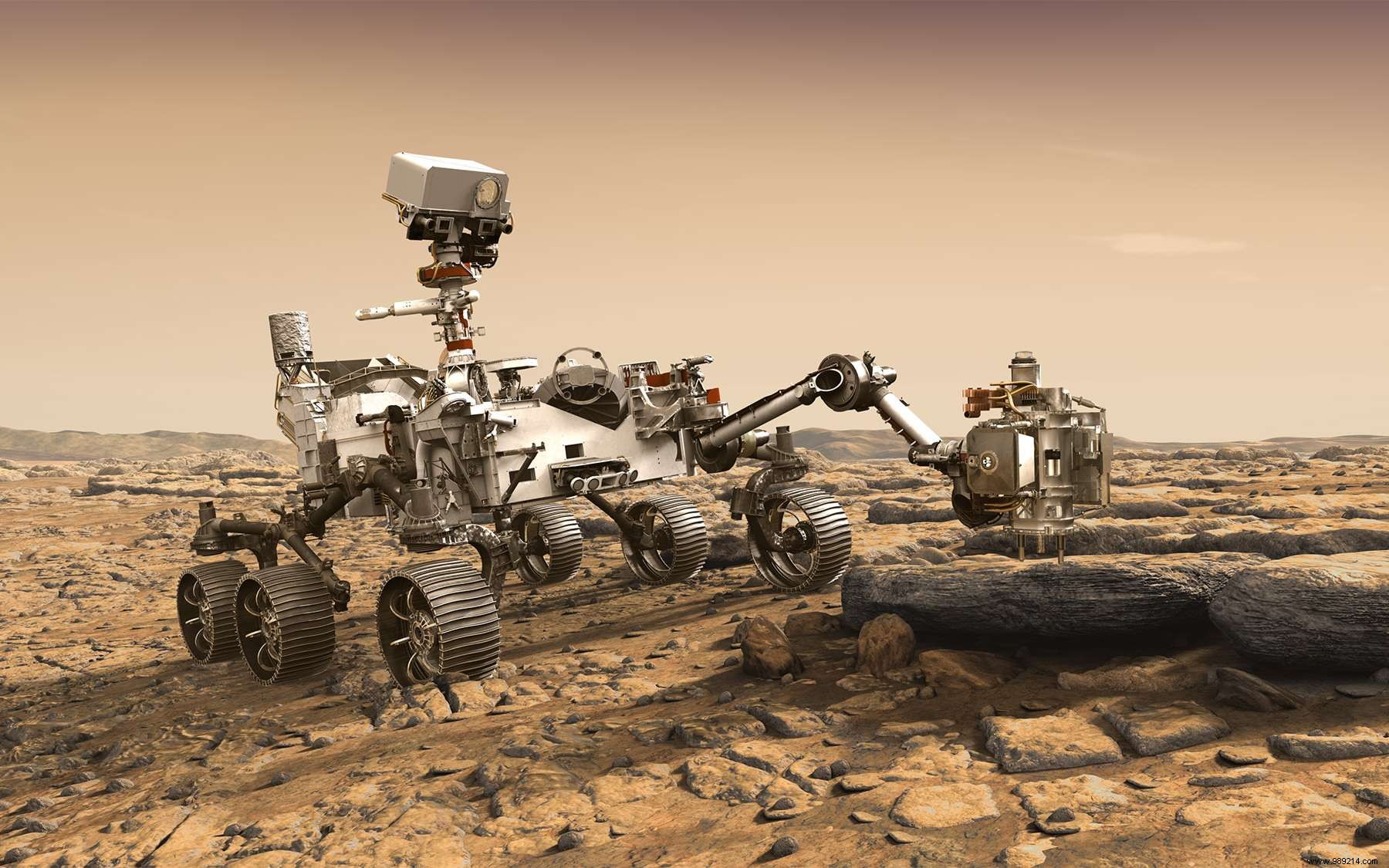
This small-scale test operates within Perseverance's 110 watts power limit. A full-scale plant would generate 200 times more oxygen, requiring around 30 kilowatts.
Success here could lead to larger systems deployed ahead of crewed missions, stockpiling oxygen for safe returns even before astronauts depart Earth.
