The European Space Agency (ESA) is embracing inclusivity in its upcoming astronaut recruitment, announcing a study to explore adaptations enabling people with disabilities to fly to space.
ESA's next astronaut selection process launches March 31, offering spots in its rigorous training program. Initially planning for two to four new astronauts, the agency has expanded to four to six recruits following input from member states.
As highlighted in a February 16 Euronews article, ESA is prioritizing diversity, including women and individuals with disabilities. David Parker, ESA's Director of Human and Robotic Exploration, emphasizes representing all facets of society by recruiting "parastronauts."
Initially, ESA will select one or two candidates for its reserve astronaut corps to participate in a feasibility study on spaceflight access for people with disabilities.
Guillaume Weerts, manager of the European Astronaut Centre, notes potential candidates with disabilities in both lower limbs, such as amputations or congenital conditions ideally below the knee for equipment compatibility. Those with leg length discrepancies or short stature (under 1.30 m) may also qualify.
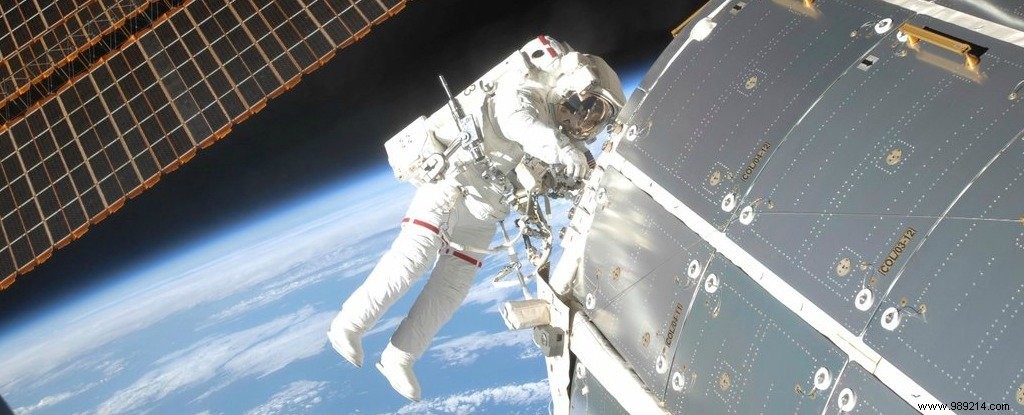
The study will verify these individuals can safely reach the International Space Station and perform astronaut duties effectively. It will address disability-specific challenges through tailored adaptations to equipment and procedures.
Testing will involve SpaceX's Crew Dragon and Boeing's Starliner, evaluating interior modifications. A key focus: ensuring parastronauts can autonomously exit the capsule in emergencies without risking crew safety.
