Boeing has resolved key software issues with its Starliner spacecraft, but now contends with SpaceX dominating docking ports at the ISS. A window may open in orbit soon, and Boeing must seize it.
NASA awarded contracts in 2014 to SpaceX and Boeing for commercial crew and cargo missions to the International Space Station (ISS).
SpaceX's Crew Dragon has proven reliable, ferrying astronauts to the ISS in May and November 2020. A third crewed mission, featuring French astronaut Thomas Pesquet as commander, is set to launch shortly.
Boeing's Starliner faced setbacks during its first uncrewed test, failing to reach the ISS due to software errors. A March 2020 investigation identified 80 issues requiring fixes.
Boeing has diligently addressed these over recent months. The capsule has been flight-ready for about five weeks, and NASA is targeting a new launch date for the next uncrewed orbital flight demonstration (OFT-2), focused on docking with the ISS.
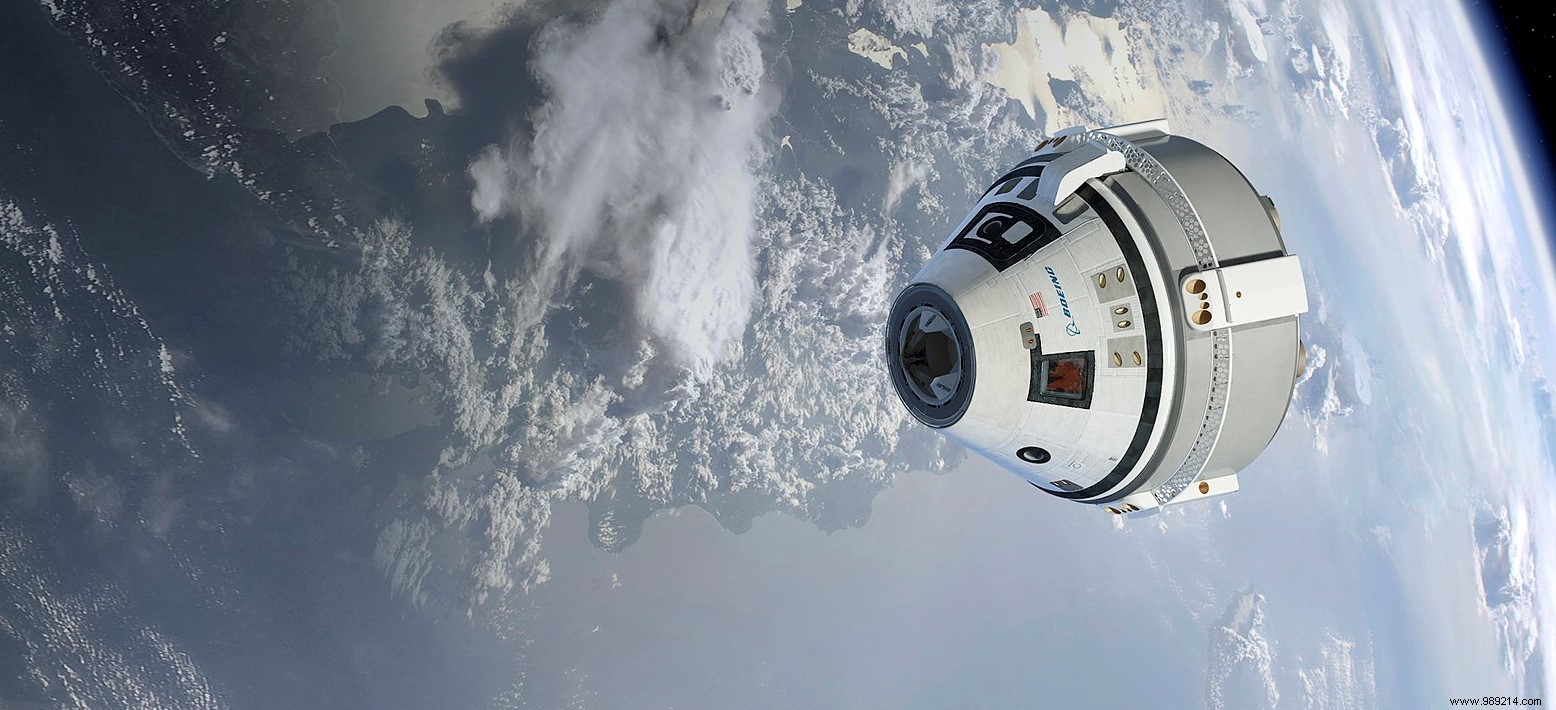
With software fixes complete, the challenge shifts to docking port availability. The ISS has two ports with international docking adapters, both currently occupied by SpaceX vehicles.
Crew-2, including Thomas Pesquet, arrives April 22 and stays about six months. A SpaceX cargo mission follows on June 3, occupying the second port until roughly July 20.
This creates a brief window for Starliner's test flight, likely late July or early August. If successful, it will dock for about a week before another SpaceX cargo arrival in late August.
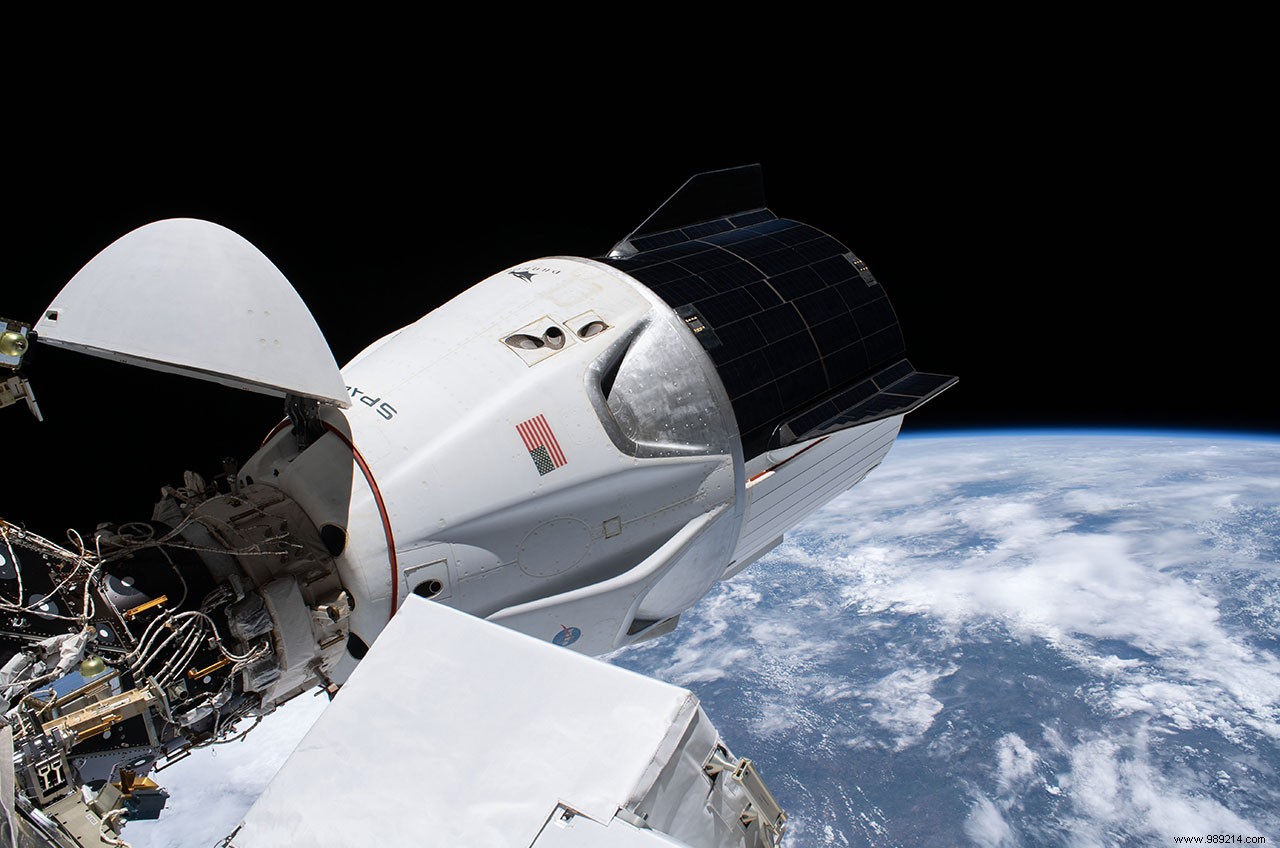
Post-OFT-2, NASA and Boeing will analyze data thoroughly. Optimistically, this six-month review could enable a crewed flight by January 2022.
However, another docking window opens in February 2022. Boeing must be fully prepared, as NASA relies on the proven Crew Dragon for crew rotations and prioritizes safety.
