Amazon has announced that United Launch Alliance's Atlas V rocket will deploy the first satellites of its Project Kuiper constellation into low Earth orbit.
SpaceX's Starlink initiative has been paving the way for satellite broadband, with over 1,000 satellites now operational and service available in North America and the UK—despite some regulatory pushback.
Starlink recently sought FCC approval to enable terminals on moving platforms like trucks, boats, and aircraft, expanding connectivity on the go.
Amazon is hot on its heels with Project Kuiper, investing over $10 billion to deploy 3,236 satellites following FCC authorization—compared to Starlink's planned 12,000+ satellites.
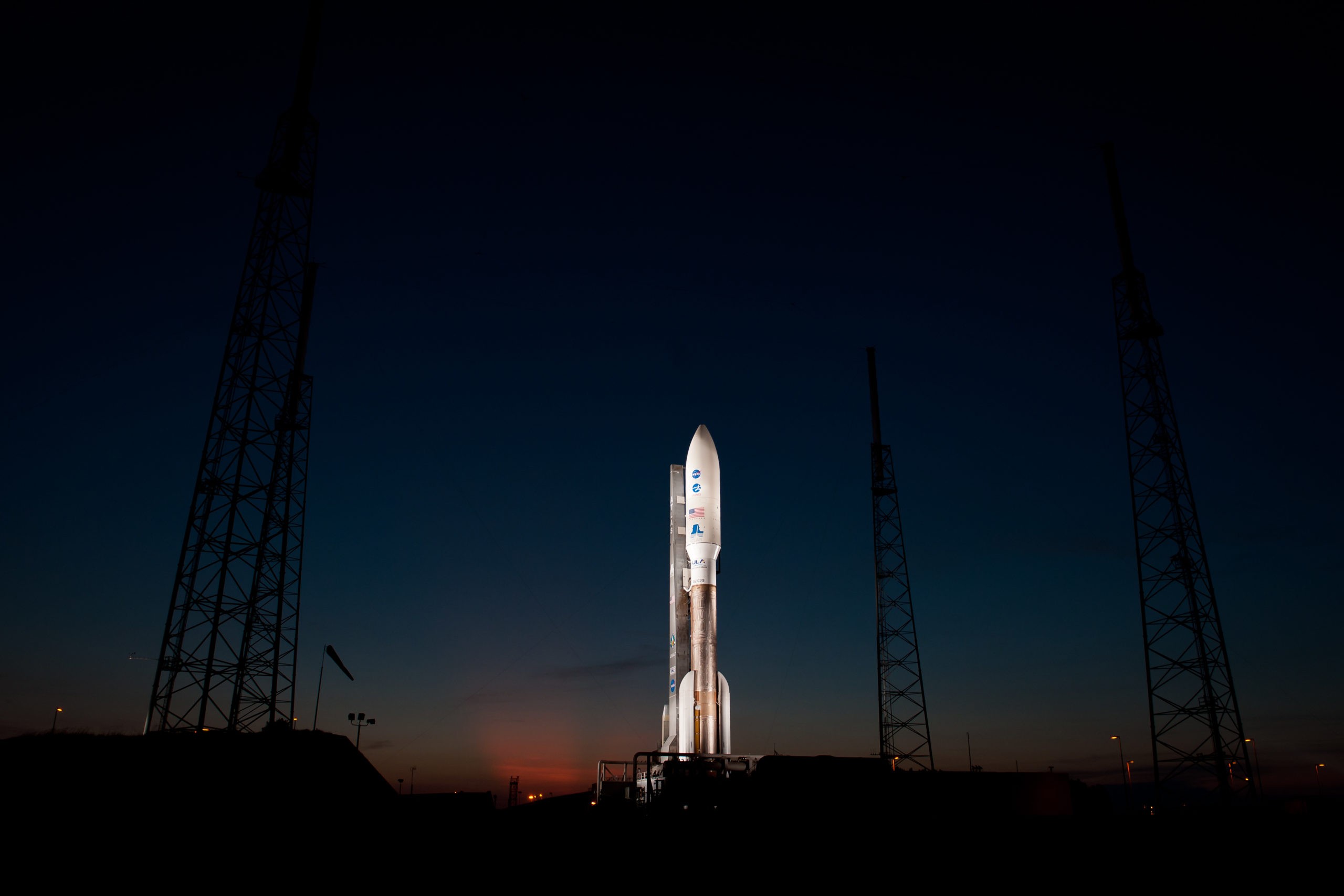
Amazon has partnered with United Launch Alliance (ULA) and its battle-tested Atlas V rocket for the initial Kuiper launches. This veteran launcher has powered marquee missions including New Horizons, Juno, InSight, and Mars 2020 (delivering Perseverance and Ingenuity).
“We are committed to making affordable broadband a reality for customers and communities around the world,” said Jeff Bezos, Amazon founder and CEO. “ULA is a fantastic partner who has successfully launched dozens of missions for commercial and government clients. We are grateful for their support of Kuiper.”
The deal secures nine launches from Space Launch Complex 41 at Cape Canaveral Space Force Station in Florida. Details on per-launch satellite capacity remain undisclosed.
While SpaceX's Falcon 9 offers lower costs, Amazon wisely avoids fueling a direct rival in the satellite internet race. Meanwhile, Bezos' Blue Origin supplies BE-4 engines for ULA's upcoming Vulcan rocket.
This ULA pact may be short-term: Blue Origin's New Glenn rocket, also powered by BE-4s, will soon vie with Vulcan for national security and commercial launches.
Atlas V depends on Russian RD-180 engines, but ULA holds stock for over a dozen more commercial flights as it transitions away from the vehicle.
