Viable mouse pups have been born from freeze-dried sperm exposed to space radiation for years aboard the International Space Station (ISS). Published in Science Advances, these findings shed light on cosmic radiation's impact on reproduction and genetic inheritance.
Space exploration's future hinges on understanding how cosmic radiation affects mammalian DNA and fertility. Long-term human presence beyond Earth requires viable reproduction strategies. While Earth-based simulations help, they can't fully replicate space's diverse radiation particles—from solar wind to galactic cosmic rays.
A Japanese research team leveraged the ISS, our premier orbital lab, to conduct this groundbreaking study.
In August 2013, researchers freeze-dried mouse sperm for room-temperature transport, then stored it at minus 95 degrees Celsius on the ISS. Samples returned after nine months, two years and nine months, and five years and 10 months—the longest exposure for biological samples there.
Initial analysis after nine months revealed DNA and nuclear damage versus controls, yet fertilization and birth rates matched, as detailed in a 2017 study.
Extended samples absorbed ~0.61 millisievert (mSv) daily—exceeding NASA's 0.14 mSv/day limit for low-Earth orbit—but showed no significant DNA damage.
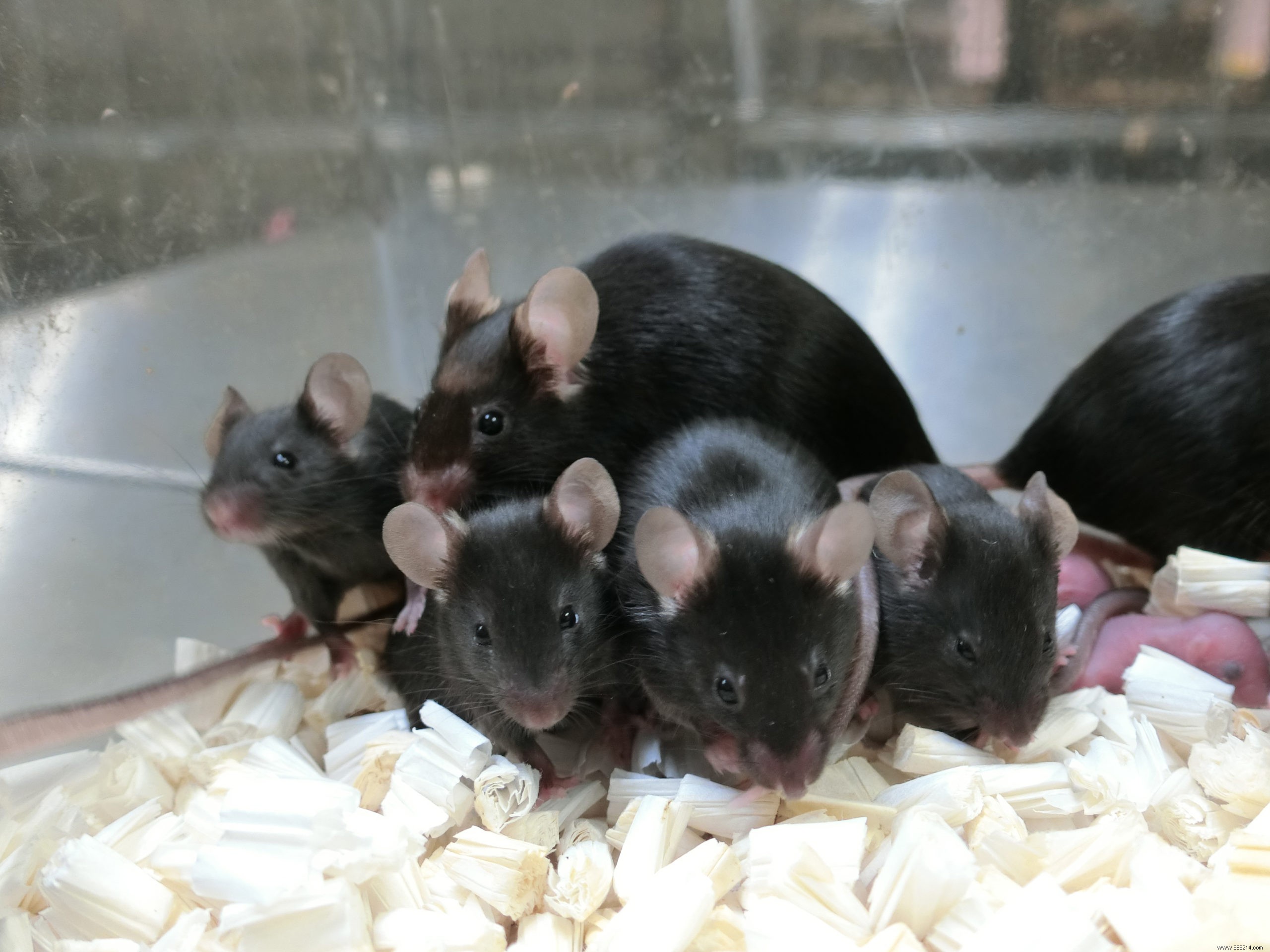
Using IVF, the team produced eight healthy pups from nearly six-year-exposed sperm, with normal gene expression matching controls. Shorter exposures yielded 160 viable pups.
These results don't yet extend to humans. The ISS benefits from Earth's magnetic protection; deep-space effects remain untested. Future lunar-orbit stations could enable further experiments.
