As solar conjunction nears, NASA will pause most command transmissions to its Mars missions for safety, spanning about two weeks. Drawing from decades of experience, these robotic explorers will continue key autonomous operations until Earth communications resume.
Solar conjunction occurs when the Sun aligns between Earth and Mars, next happening on October 7—roughly every two years. The Sun's charged corona can disrupt radio signals, potentially corrupting commands and endangering missions. NASA mandates a communications blackout to prevent this.
The agency's Mars assets—three orbiters, two rovers, a lander, and a helicopter—will suspend commands and raw image relays from October 2 to 16. Missions from Europe, China, and India face similar pauses, though details vary.
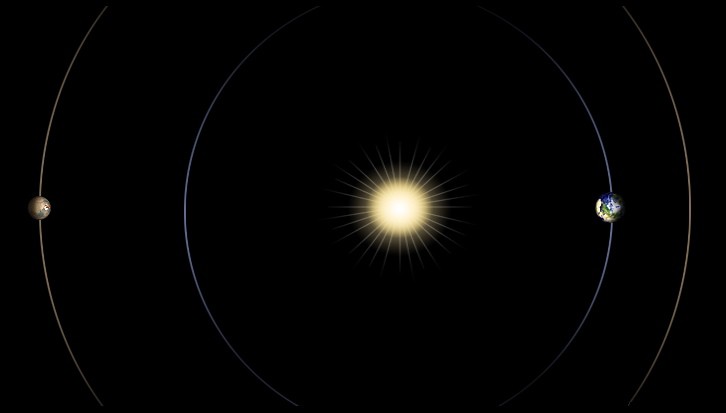
NASA engineers have pre-programmed the fleet with independent tasks to maximize science during the blackout, a proven strategy from past conjunctions.
Perseverance rover will measure weather, run radar scans, and capture environmental audio with its microphone from a prime spot "between the dunes and a rocky outcrop”, per its official Twitter. Ingenuity helicopter will station 175 meters away.
Curiosity, a veteran since 2012 with flawless conjunction records, will monitor weather, radiation, and dust devils.
InSight lander’s seismometer will passively detect Marsquakes.
Orbiters Odyssey, Mars Reconnaissance Orbiter (MRO), and MAVEN will gather data for storage, relaying it post-conjunction via NASA's Deep Space Network antennas over about a week.
