NASA's Lucy mission, launched recently, is set to revolutionize our understanding of Jupiter's Trojan asteroids. While we await its first encounters, revisit these captivating close-up images and videos of diverse asteroids explored by spacecraft and observed from Earth.
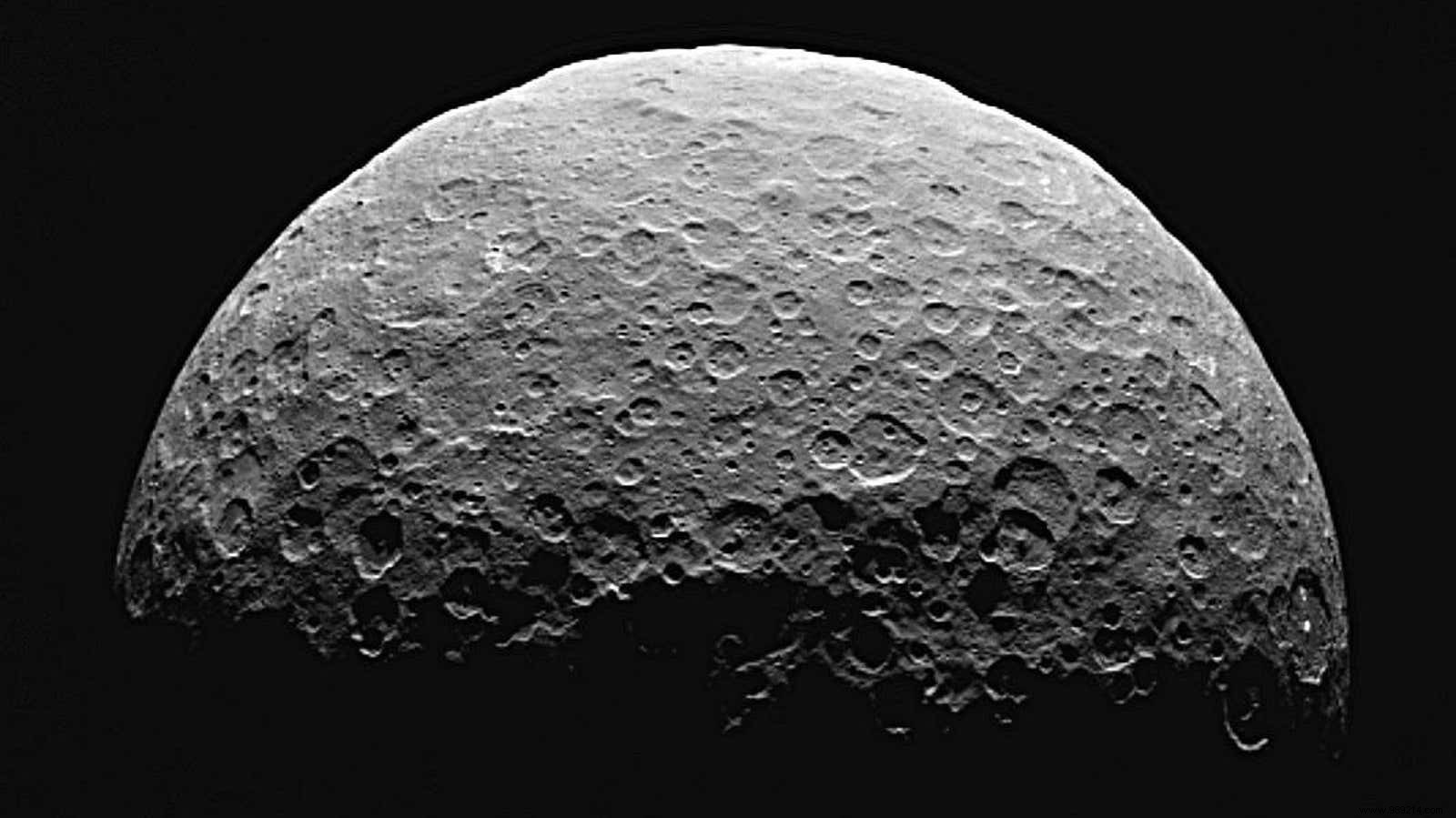
Discovered by Giuseppe Piazzi in 1801, Ceres is the largest body in the asteroid belt between Mars and Jupiter. Classified as a dwarf planet after NASA's Dawn mission flew by in 2015, recent studies suggest Ceres harbors a subsurface ocean of liquid, salty water, making it a prime target for astrobiology research. Notably, a Finnish researcher has even proposed establishing a human outpost in orbit around Ceres as a feasible alternative to Mars colonization.
This Apollo-group asteroid, 2014 JO25, has an irregular shape and rotates every 4.5 hours. It was closely observed in April 2017 by the Arecibo Observatory—recently lost to structural failures—passing just over a million kilometers from Earth.
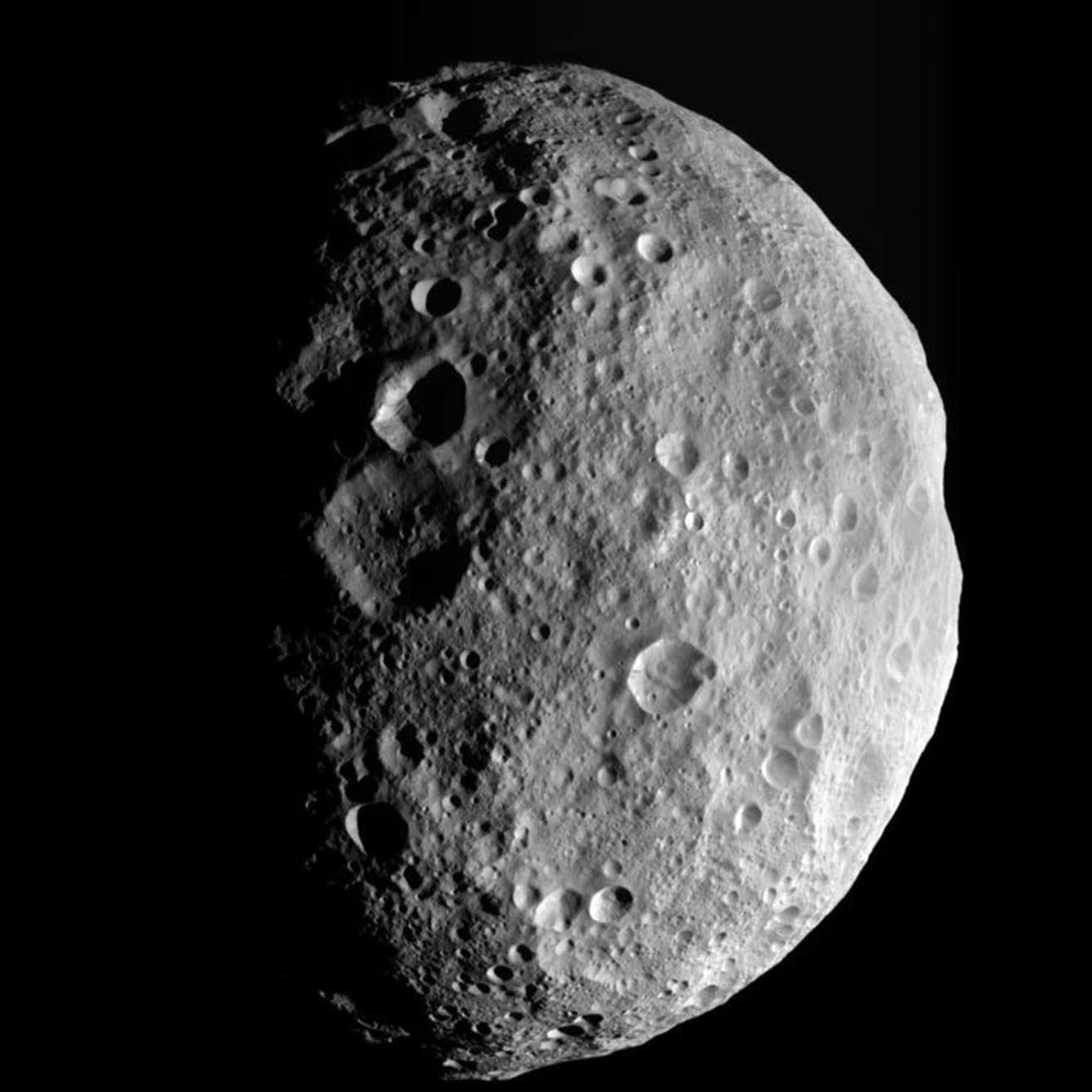
With an average diameter of 530 kilometers, Vesta ranks as the second-largest asteroid after Ceres. Fragments from Vesta have reached Earth as meteorites, and its highly reflective surface can sometimes be spotted with the naked eye under dark skies.
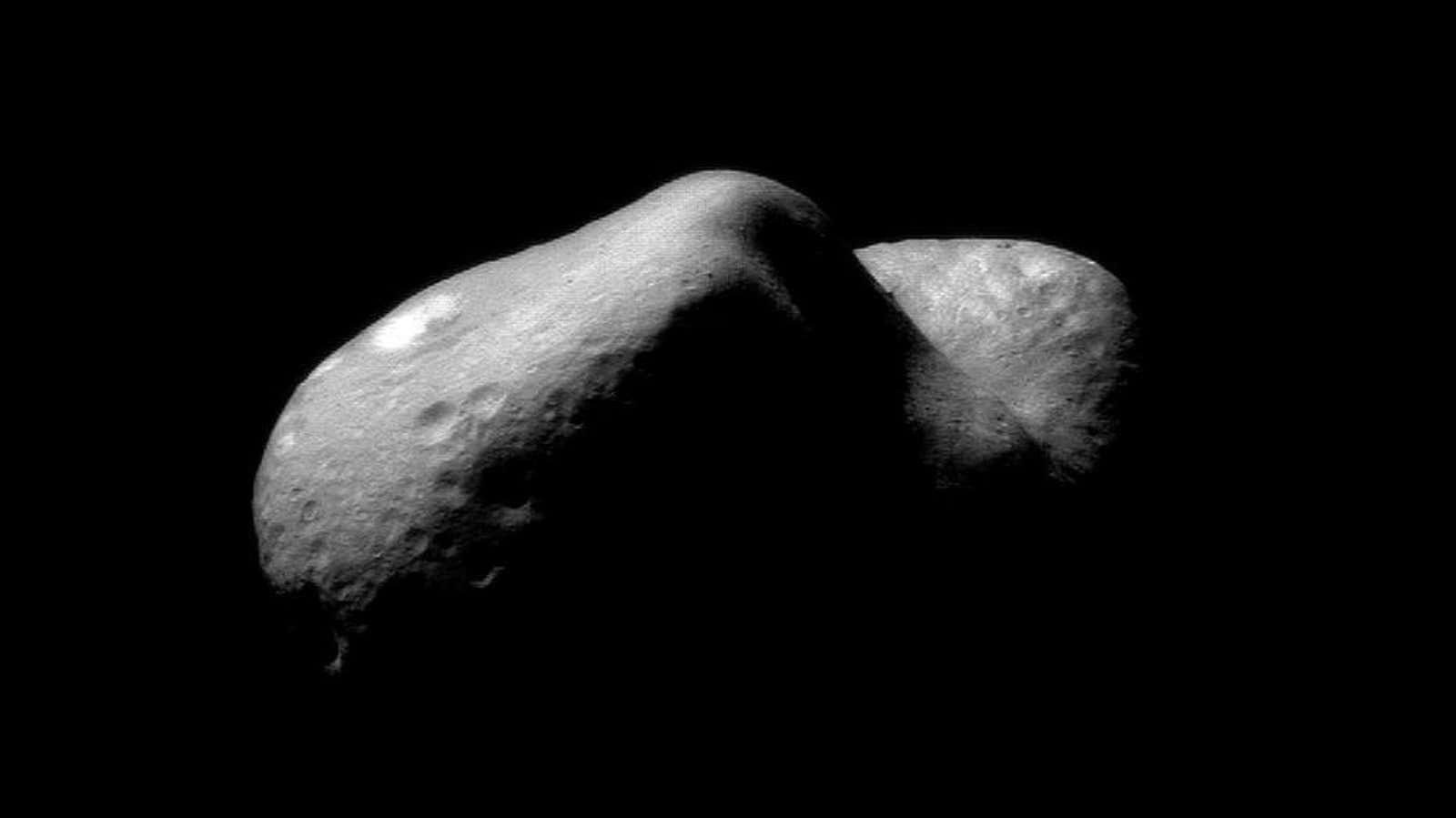
The first near-Earth asteroid discovered, Eros appeared accidentally on a photographic plate in 1898. NASA's NEAR Shoemaker spacecraft orbited and imaged it in 1998—a full century later—and achieved the first controlled landing on an asteroid in 2001.
Bennu gained fame through NASA's OSIRIS-REx mission, which collected samples now en route to Earth. The capsule is scheduled to land in 2023, offering invaluable insights into Solar System history and potentially life's origins.
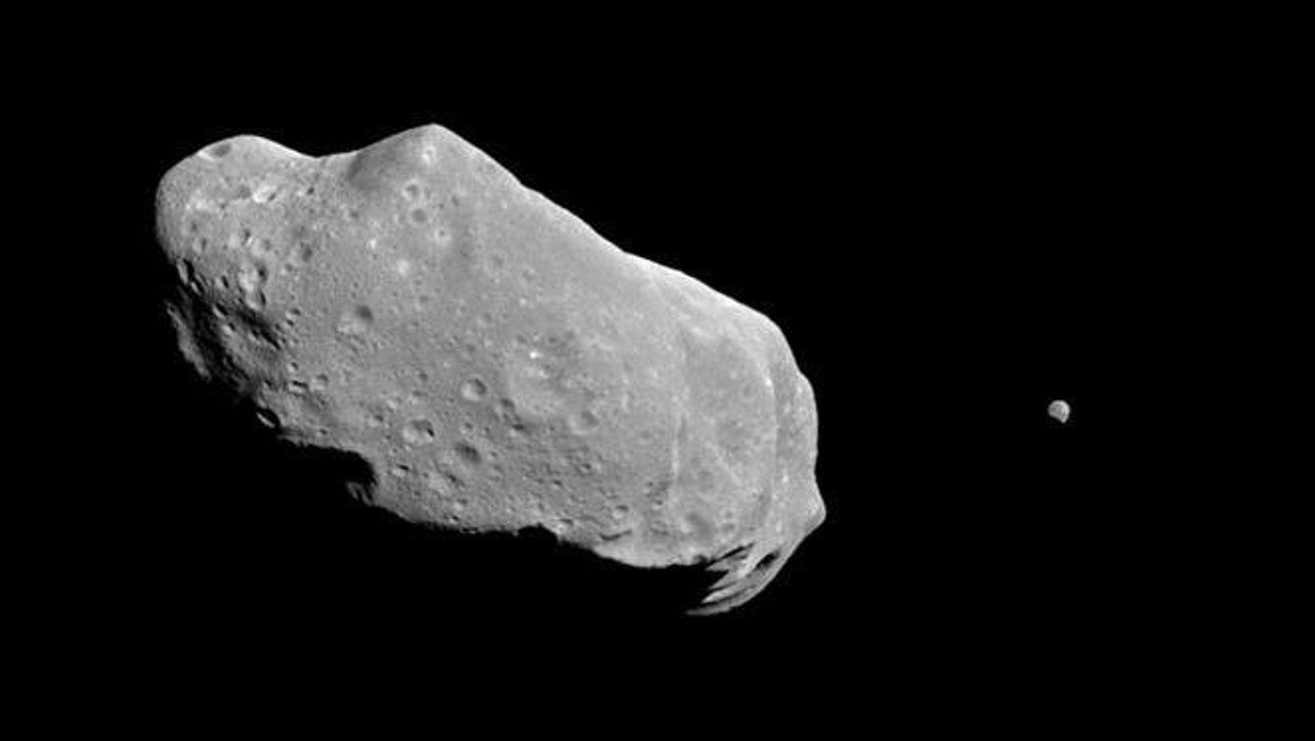
Ida holds the distinction as the first asteroid confirmed to have its own moon, Dactyl (visible at right). Likely a remnant of an ancient collision, Ida resides in the main asteroid belt between Mars and Jupiter.
