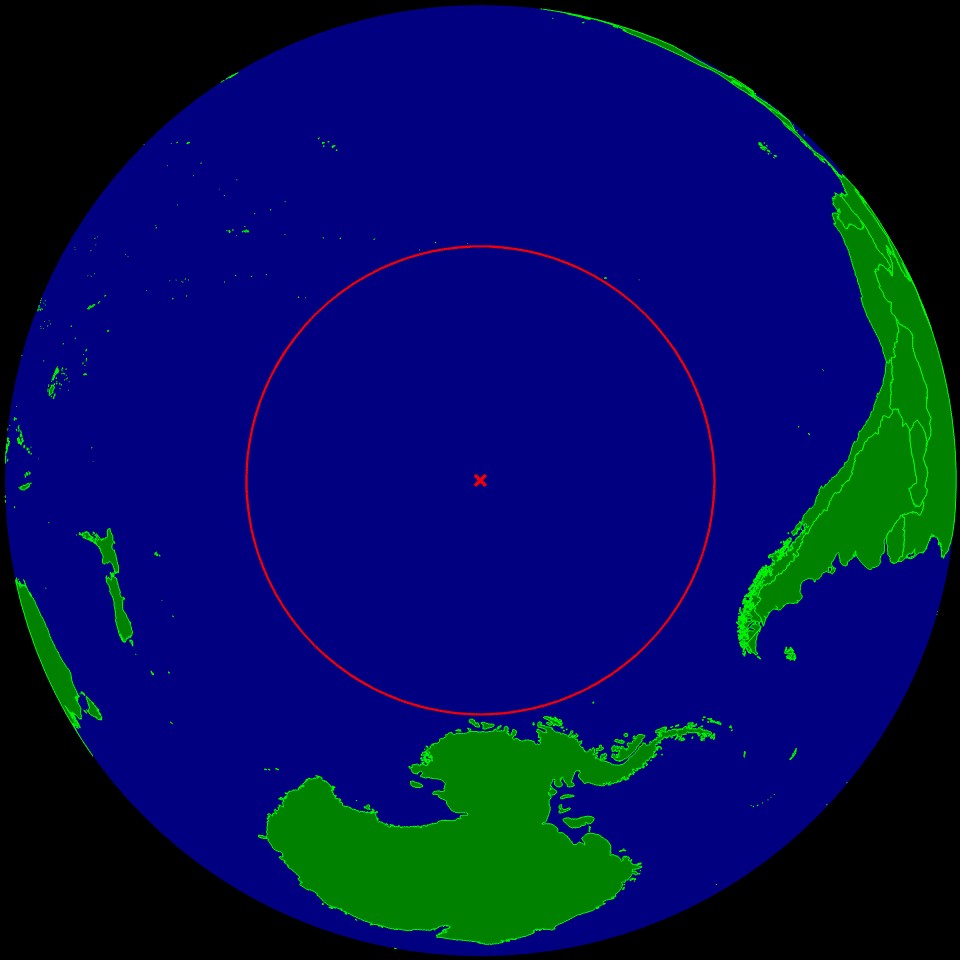
NASA has announced that the International Space Station (ISS), launched in 1998, will be safely deorbited in January 2031. The structure will make a controlled reentry, targeting a splashdown approximately 2,700 kilometers from Point Nemo—the remote Pacific Ocean site farthest from any land.
In November 2000, astronauts Bill Shepherd, Yuri Gidzenko, and Sergei Krikalev became the first to enter the ISS. Since then, it has hosted continuous human presence and facilitated over 3,000 experiments by more than 4,200 researchers. However, as the station ages, maintenance costs have escalated, especially with NASA's renewed focus on lunar exploration.
Originally slated for retirement in 2028, the ISS operations have been extended to 2030 at the White House's request. NASA is transitioning daily management to commercial partners, freeing resources for its Artemis lunar program.
Post-ISS, NASA will collaborate with Blue Origin, Nanoracks LLC, and Northrop Grumman to deploy commercial space stations, expected to be operational by the late 2020s.
The ISS will undergo a precise atmospheric reentry in January 2031, directed toward an area 2,700 kilometers from Point Nemo. This "spacecraft cemetery" has long served as the final resting place for satellites and stations like Russia's Mir.
Deorbiting plans involve multiple scenarios, with one leading approach in focus. Typically, Russian Progress cargo vehicles resupply the ISS by boosting its orbit using the service module's thrusters.
For deorbit, the process will reverse: thrusters will lower the orbit, guiding the station into the atmosphere for a controlled descent.
This is no small feat. At 400 tons and roughly the length of a football field, the ISS is the largest human-made object ever placed in low Earth orbit. Historical precedent, like the 1979 uncontrolled Skylab reentry that scattered debris over Australia, underscores the risks and the need for precision.
