Geologists at Georgia State University have successfully recreated Martian soil using NASA samples, exploring the feasibility of plant cultivation on the Red Planet to support long-term colonization.
A key challenge in Mars colonization is securing a reliable long-term food supply. Resupply missions from Earth, spanning about 75 million kilometers, prove impractical due to excessive time and cost. In February 2020, Dutch researchers demonstrated that human urine could fertilize Martian plants, but viable growth in actual regolith remains essential.
In a October 27, 2020, statement, Georgia State University geologists detailed their work using NASA samples from a decade of Mars missions to develop synthetic soil mixtures that mimic key Martian characteristics.
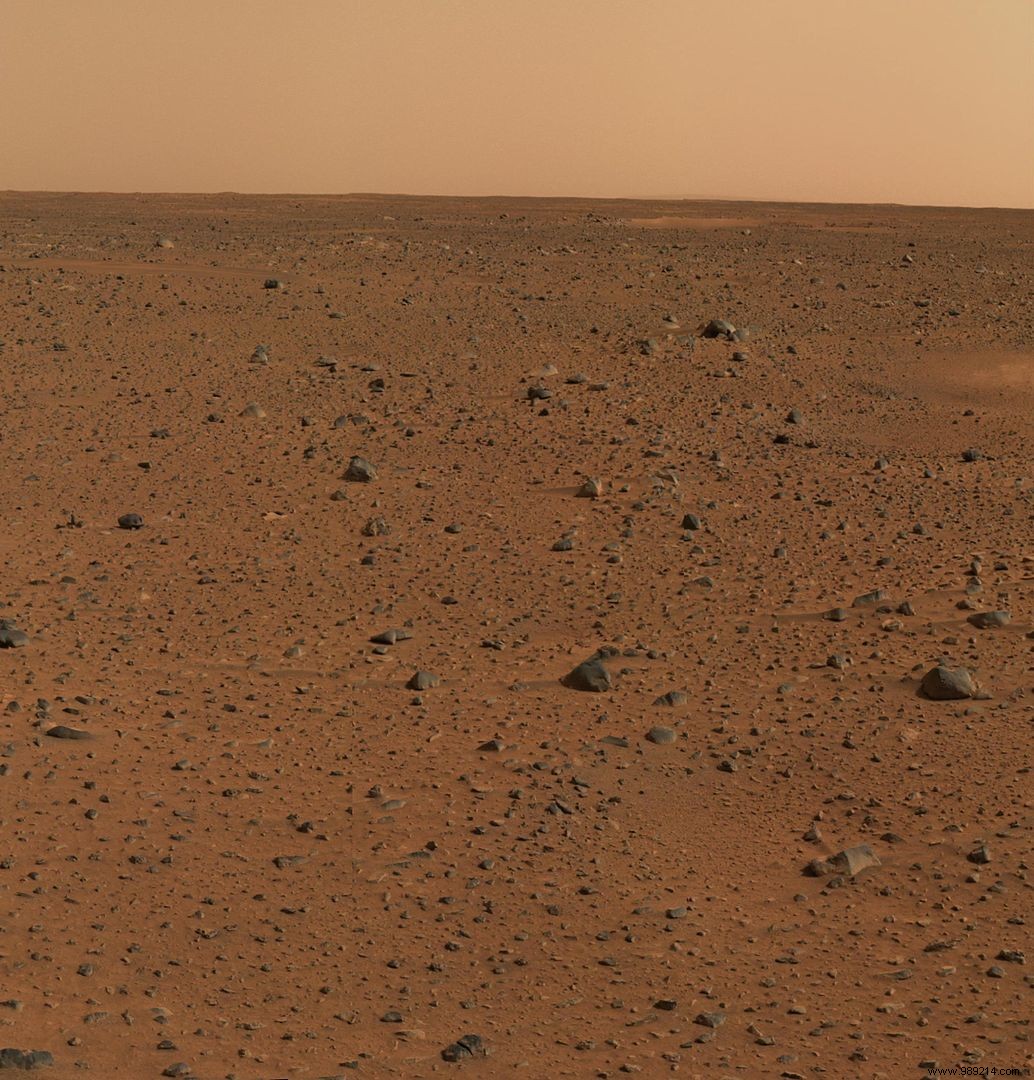
Mars features a thin atmosphere, 96% carbon dioxide, and average temperatures of -63°C. Yet, its surface regolith holds essential plant nutrients like nitrogen, potassium, and phosphorus.
"Analyzing the mineral composition and salt content of these mixtures reveals their fertility potential. Factors such as nutrients, salinity, and pH determine cultivability, helping us assess Martian soils' viability and potential remedies," explains lead researcher Laura Fackrell.
However, Fackrell notes these nutrients may not be readily available to plants. Current simulations are also overly dry, exhibiting cracks.
Fackrell is investigating ways to enhance Martian agriculture, drawing from her studies of microbes in extreme environments like Russia's Kamchatka hot springs. Certain bacteria and fungi could bolster crops under Mars-like stresses.
This work holds promise for terrestrial agronomic advances, potentially enabling plant growth in Earth's harsh conditions. Though still early-stage, patience will yield breakthroughs.
