A groundbreaking study drawing on data from NASA's New Horizons probe shows the universe is darker than previously estimated. Specifically, the number of faint, invisible galaxies is lower than models predicted.
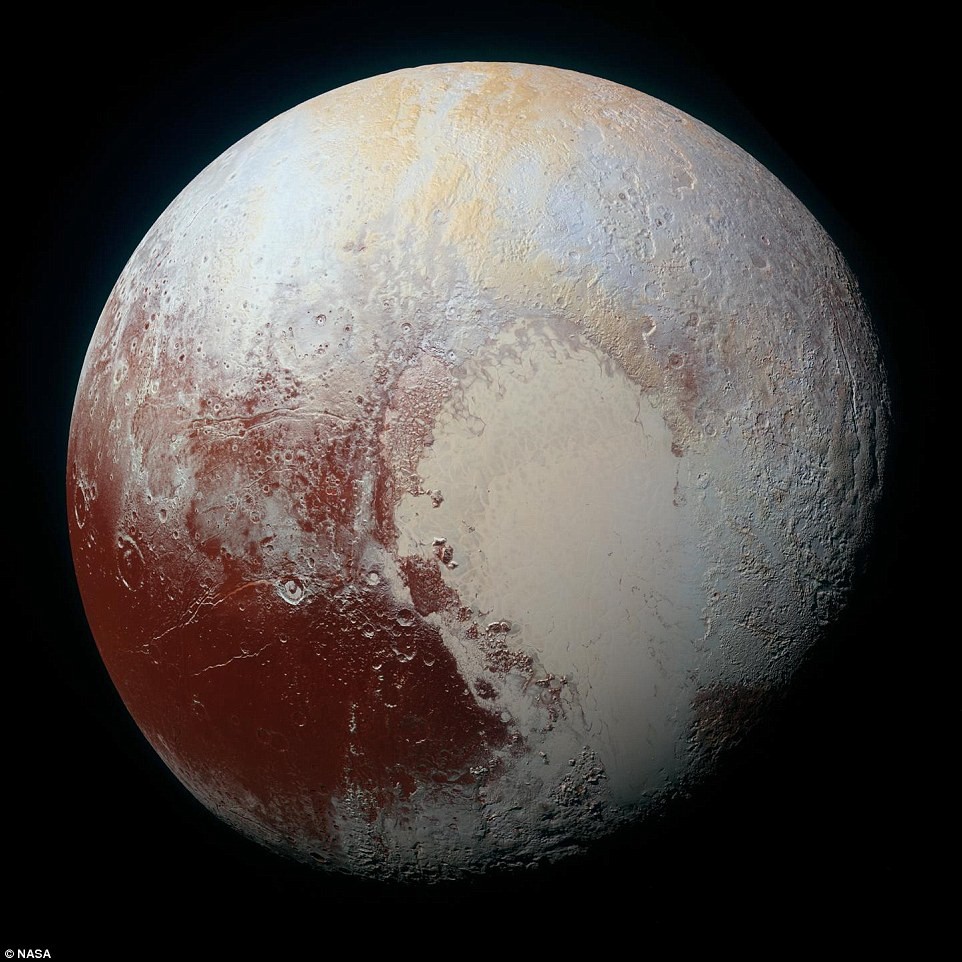
Just as escaping city lights reveals a clearer night sky, spacecraft must venture far from the Sun to detect the universe's dimmest glows. The inner solar system is cluttered with sunlight-reflecting particles. New Horizons, ideal for this task after its 2015 Pluto flyby, now cruises more than seven billion kilometers from Earth.
Astronomers used its vantage point to measure the cosmic optical background—the faint, collective visible light from all stars across the universe.
"While the cosmic microwave background reveals the universe's first 450,000 years post-Big Bang, the cosmic optical background captures the total light from every star formed since," explains Marc Postman, lead author. "This helps us gauge the total number of galaxies ever formed."
These precise measurements indicate fewer "invisible" galaxies than anticipated. Rather than two trillion galaxies, the total may be just several hundred billion.
Prior Hubble-based estimates extrapolated from visible galaxies, assuming 90% were too faint to detect, yielding the two-trillion figure via mathematical modeling.
New Horizons data revises this downward. "Double the galaxies Hubble sees—that's our total. Nothing more," says co-lead Tod Lauer. "We simply don't detect light from two trillion galaxies."
Though the universe appears dimmer, the exact sources of this background light remain unclear.
Possible contributors include nearby dwarf galaxies just beyond detection, unexpectedly bright stellar halos around galaxies, or rogue intergalactic stars. The James Webb Space Telescope promises deeper insights into these mysteries.
