NASA has announced two new missions to Venus this decade—a major return since the Magellan probe launched in 1989.
For the first time in over three decades, NASA is heading back to Venus—and not once, but twice. NASA Administrator Bill Nelson has selected DAVINCI+ and VERITAS as the next Discovery program missions. Launched in the early 1990s, this program funds cost-effective explorations of our solar system, including past successes like MESSENGER, Dawn, and Kepler.
Both missions, budgeted under $500 million, aim to "understand how Venus, once potentially welcoming, became a hellish world capable of melting lead on its surface," Nelson stated. They are set for launch by the end of the decade.
DAVINCI+, launching in 2028, will be NASA's first probe to sample Venus's atmosphere since 1978. It will analyze its formation and evolution, revealing whether the planet once hosted oceans.
The mission includes a descent sphere that plunges through the dense atmosphere, measuring noble gases and other elements. It will also capture the first high-resolution images of Venus's tesserae—unique geological features akin to Earth's continents.
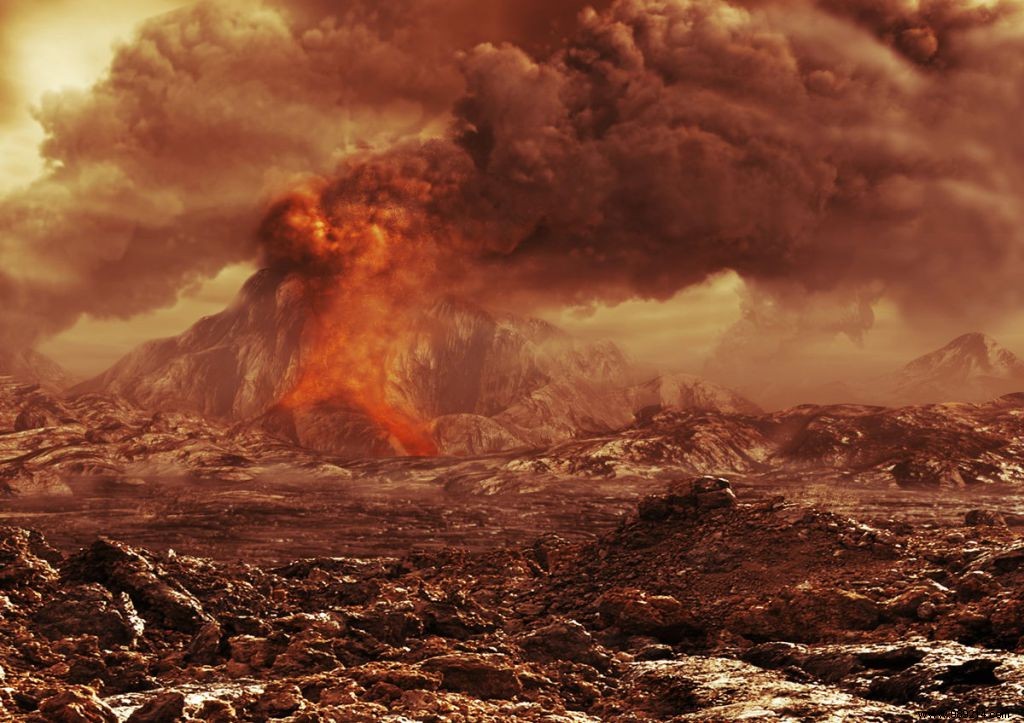
VERITAS, launching in 2030, will map Venus's surface to trace its geological history, confirming if plate tectonics and volcanism remain active.
Other finalists included Io Volcano Observer (IVO) for Jupiter's volcanic moon Io and TRIDENT for a flyby of Neptune's moon Triton.
Venus experts welcome the focus, after years of Mars priority. “The Venus community is absolutely thrilled and excited and just want to get to work and see this happen,” said Ellen Stofan, Smithsonian undersecretary for science. “We are all so hungry for data, to advance science. Many of us have worked in this field since Magellan. We've had these really basic science questions for so long."
