NASA anticipates the James Webb Space Telescope (JWST) could operate well beyond its planned 10-year mission, thanks to excess fuel in its onboard thrusters—even before its first scientific observations begin.
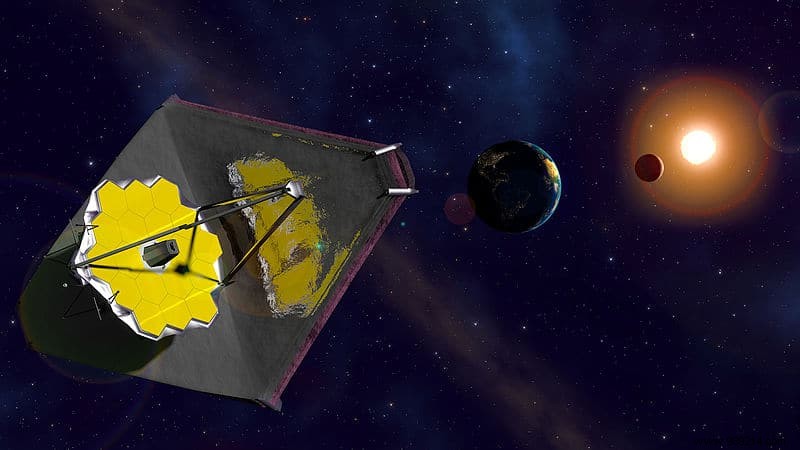
Launched successfully on December 25, the JWST is navigating a meticulous commissioning phase. Its thrusters fired just over 12 hours post-liftoff to adjust trajectory. On December 28, the sunshield—a mission cornerstone—deployed successfully. The telescope's primary and secondary mirrors will unfold in the coming days en route to the Lagrange Point 2 (L2), arrival slated for late January.
Following calibration, scientific operations will commence in approximately six months.
Originally designed for a minimum five-year lifespan, the JWST was set to explore ancient stars and galaxies, analyze exoplanet atmospheres, and probe dark matter secrets. Now, it may far exceed expectations.
NASA reports the observatory carries enough propellant to more than double its minimum lifespan.
"After analyzing the initial trajectory, the Webb team determined there should be sufficient propellant for more than a 10-year science mission," agency officials stated on December 29. For context, Hubble has operated for over 30 years.
This surplus stems from the Ariane 5 rocket's exceptional precision, surpassing requirements, and the accuracy of the first mid-course correction.
En route to L2, two additional thruster firings will fine-tune momentum. Success here could further prolong the mission, though NASA cautions that numerous variables influence long-term operations.
