NASA is recruiting four qualified individuals to live in the Mars Dune Alpha habitat for a full year, simulating the challenges of long-duration missions to the Red Planet. Applications are open now.
Mars Dune Alpha is a 3D-printed, 520-square-meter habitat situated inside a building at NASA's Johnson Space Center in Houston. Over the coming years, NASA plans three such missions, with crews of four living and working together for one year each to mimic real Mars exploration.
The first mission launches in fall 2022, and applications are underway. NASA seeks candidates with master's degrees in engineering, mathematics, or equivalent pilot experience. Applicants must be U.S. citizens or permanent residents, aged 30-55, in excellent physical health, free of dietary restrictions, and not prone to motion sickness.
In essence, NASA wants near-astronaut caliber. "And that's a good thing," notes former Canadian astronaut Chris Hadfield, famous for his ISS performance of David Bowie's "Space Oddity." He adds, "A Russian-developed simulated Mars mission dubbed Mars 500 didn’t end well in part because the participants looked too much like regular people."
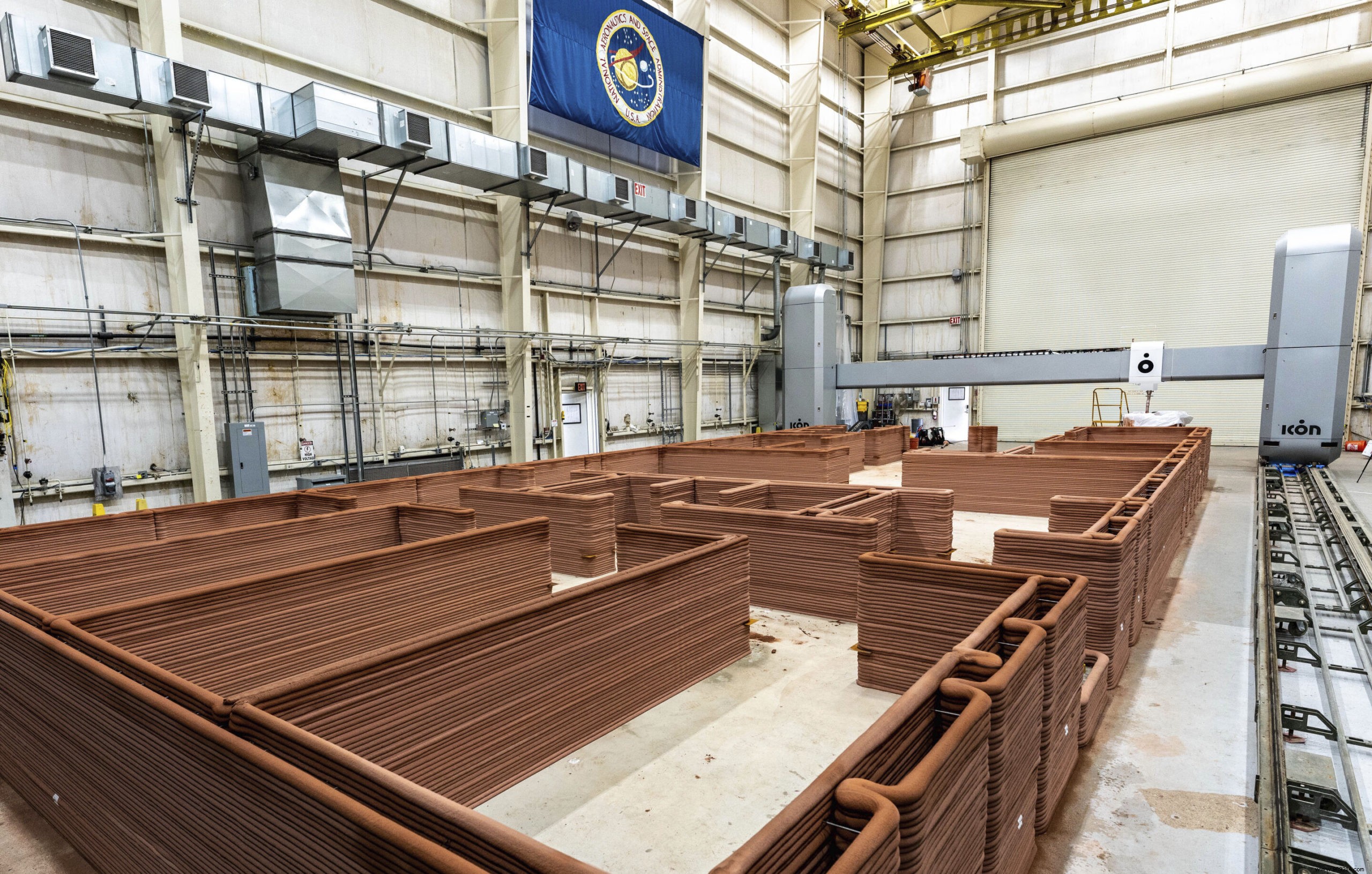
The primary aim is to "understand how humans behave with each other," explains Grace Douglas, the lead scientist on the project.
With plans to land humans on Mars in the 2030s, NASA must tackle not only technical and physiological hurdles but also psychological challenges. A Mars journey alone takes 6-8 months, followed by up to 20-minute communication delays. Isolation can wreak havoc on our highly social species.
To build resilient crews, NASA collaborates with Jeffrey Johnson, an anthropologist from the University of Florida. They're exploring the inclusion of informal roles like "mediators" to unite teams under stress.
"When you live with others in confined spaces for extended periods, tensions can rise. It's vital to have someone fostering harmony so the team performs and returns safely," Johnson emphasized recently. "This is mission-critical."
