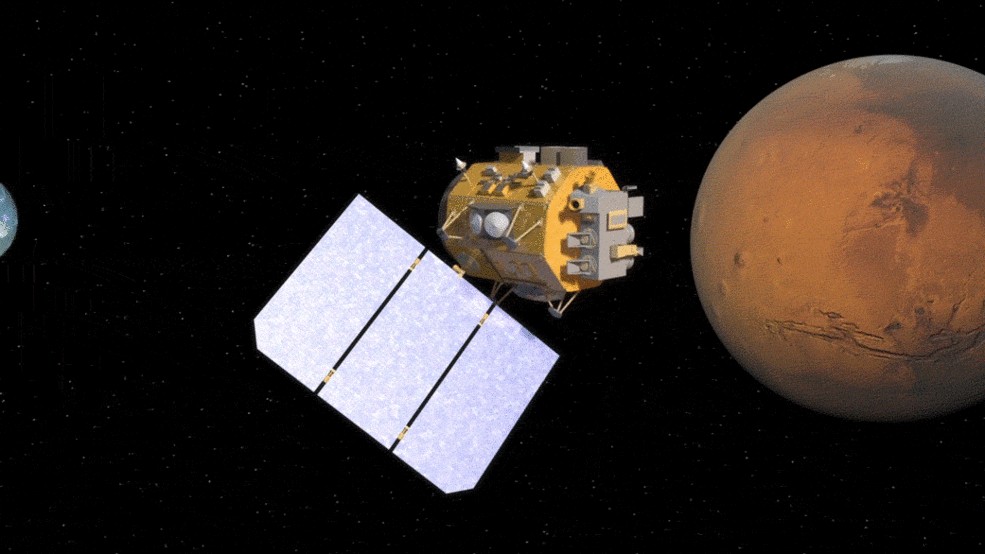
In a recent discussion, NASA Administrator Jim Bridenstine spotlighted key initiatives like Mars 2020 and Artemis, while detailing preparations for humanity's first crewed journey to the Red Planet.
As U.S. astronauts gear up for lunar returns via the Artemis program, NASA and partners like SpaceX are advancing toward Mars, targeting the first crewed mission in the 2030s.
While robotic rovers have explored Mars effectively, human missions demand robust systems for safe round-trip travel. NASA is developing critical technologies to achieve this.
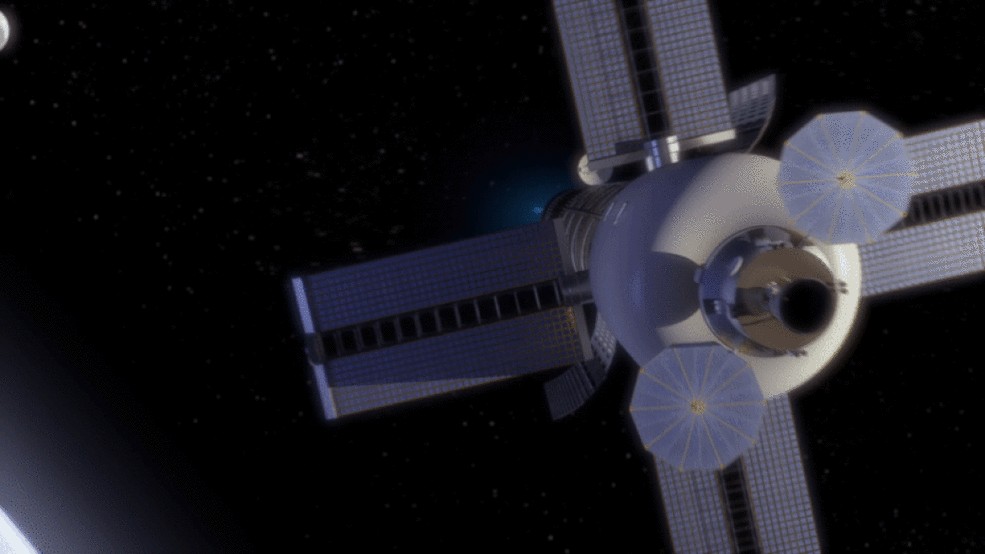
The journey to Mars spans about 140 million kilometers through deep space. Current chemical propulsion takes 6-9 months, exposing crews to cosmic radiation. NASA and collaborators are testing solutions to shorten this, including nuclear thermal propulsion.
This system heats liquid hydrogen via a nuclear reactor, expelling it through a nozzle for thrust. Proposed since the Space Age, it's nearing flight-ready status through rigorous development.
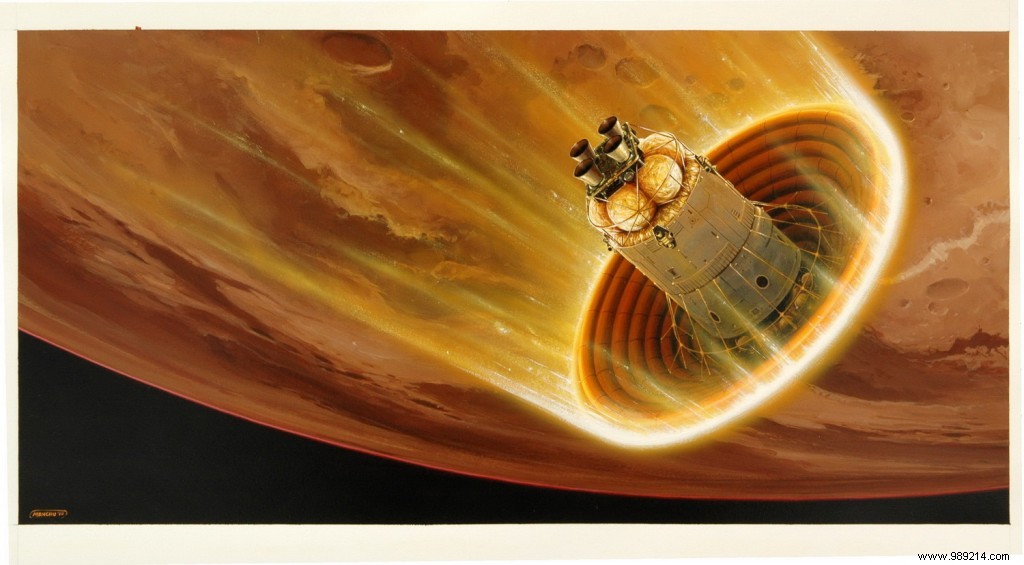
Landing large payloads—like habitats for astronauts—requires innovation beyond rover-scale entry systems. NASA's inflatable heat shield addresses this by expanding to protect heavy cargo during atmospheric descent.
Engineers have prototyped the technology for years; a 6-meter version is slated for low-Earth orbit testing soon.
Essential for survival, these suits—evolved from Artemis lunar designs—prioritize safety, efficiency, and comfort. NASA is enhancing them to manage thermal stress, regulating temperature through Mars' harsh winters and summers.

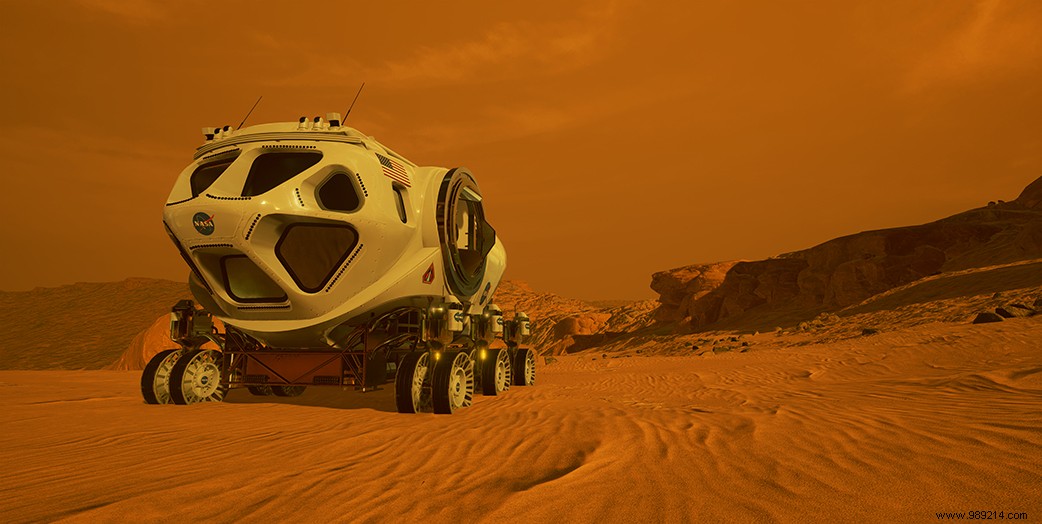
To optimize payload, NASA envisions a wheeled, pressurized rover as a dual-purpose habitat and vehicle—a true "space camper." Astronauts can live, work, and drive it for tens of kilometers in shirtsleeves.
Earth-based tests for Artemis inform Mars adaptations, enabling sample collection and experiments via spacesuit excursions.
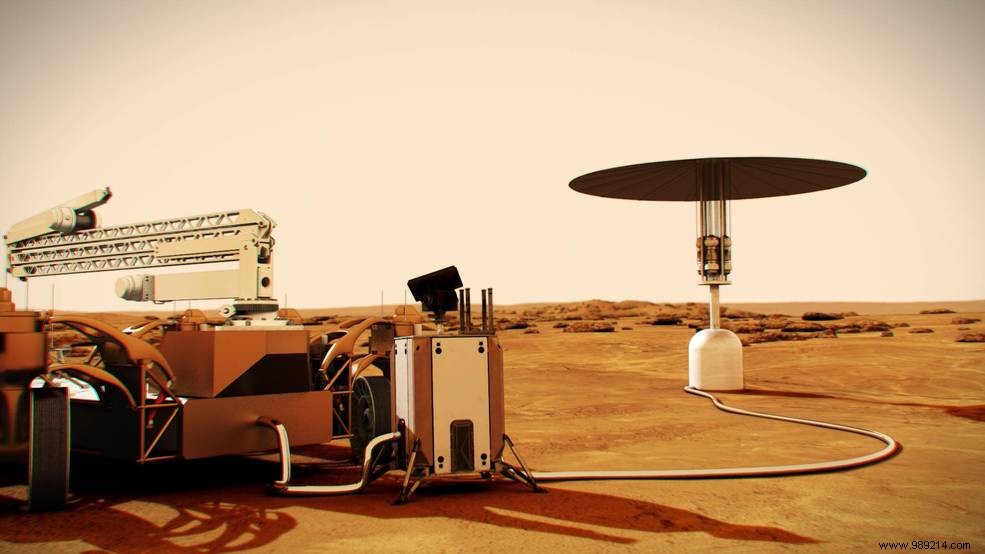
Mars demands compact, weather-proof energy for exploration, resilient to months-long dust storms. NASA favors nuclear fission reactors over solar for dependable output.
Proven safe on Earth, these will debut on the Moon before Mars deployment.
High-bandwidth laser links will enable rapid data transfer, supporting near-real-time talks and HD video—far surpassing radio limits.
NASA demonstrated lunar laser comms in 2013; ISS and Artemis tests refine it, with deep-space trials ahead.