A radiotrophic fungus discovered in Chernobyl's Reactor 4 holds game-changing potential for space exploration. Scientists propose using it to create shields against cosmic radiation, benefiting the International Space Station (ISS) and future Mars colonies.
A Mars trip takes about 9 months and is technically feasible, but cosmic rays pose a major threat, particularly to brain health. NASA has developed simulators to study these effects, fueling ongoing research.
On July 17, 2020, three U.S. biologists published a preprint on bioRxiv highlighting Cladosporium sphaerospermum, a radiotrophic fungus that thrives on radiation. This "black mold" was sampled by robots from Chernobyl's Reactor 4 after the 1986 disaster.
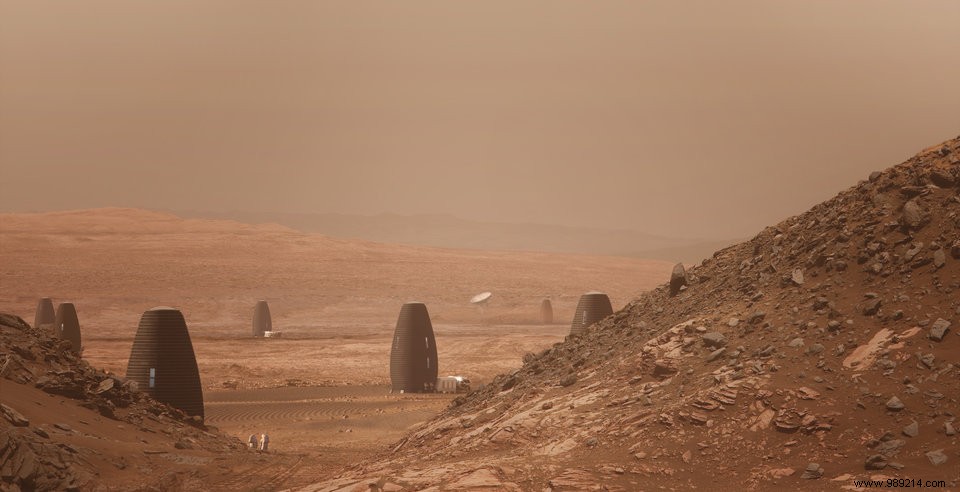
This fungus uses melanin to convert gamma rays into metabolic energy, akin to plant photosynthesis. In 2018, researchers tested a 1.7 mm layer aboard the ISS. Geiger counter readings every 110 seconds showed an average 2% reduction in radiation.
Their models indicate a 21 cm layer could block a full year's worth of Mars surface radiation. Alternatively, just "9 cm with an equimolar mix of melanin and Martian regolith" might suffice.
This preprint shows promise, but hurdles remain. On Mars, the fungus can't grow outdoors due to extreme cold, requiring insulated habitats and hydration—possibly from polar ice. Researchers also suggest extracting melanin for integration into spacesuits or materials.
