During its at least two-year mission on Mars, NASA's Perseverance rover must endure harsh conditions that limit solar power. That's why engineers equipped it with plutonium-based nuclear energy.
NASA's Mars 2020 mission successfully launched Perseverance to search for signs of ancient microbial life in Jezero Crater. For reliable power, the rover uses a Multi-Mission Radioisotope Thermoelectric Generator (MMRTG) fueled by radioactive plutonium.
“We’ll explore dusty, often very dark areas,” explains June Zakrajsek, nuclear fuel expert at NASA’s Glenn Research Center in Ohio. “In these environments, solar power simply isn’t sufficient.”
The Opportunity rover's fate illustrates this challenge. Trapped by a massive dust storm in June 2018, it lost solar access for months. NASA declared it lost in February 2019.
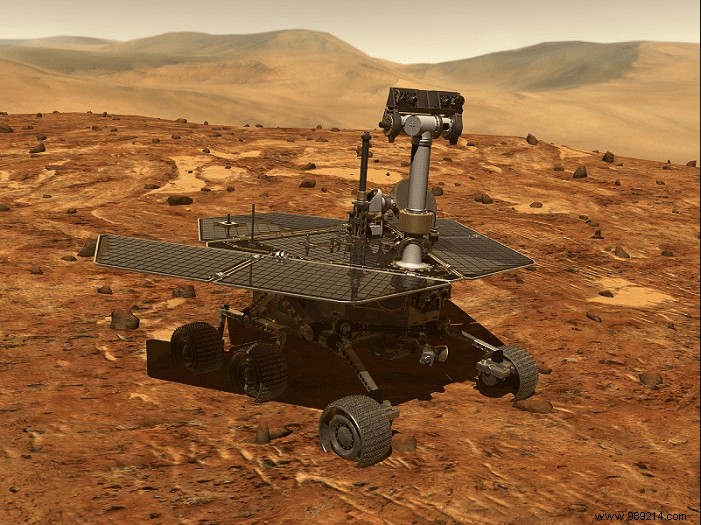
To avoid such issues, Perseverance's team selected nuclear power. The MMRTG is designed to supply energy for about 14 years.
Like its predecessor Curiosity—active on Mars since 2012—Perseverance's MMRTG converts plutonium decay heat into electricity for all instruments. This same heat keeps the rover warm during Mars' freezing nights and winters.
Mars' atmosphere is roughly 100 times thinner than Earth's, offering little insulation. Average temperatures hover around -60°C, plunging to -125°C near the poles in winter. Equatorial summer days may hit 20°C, but nights drop to -73°C.
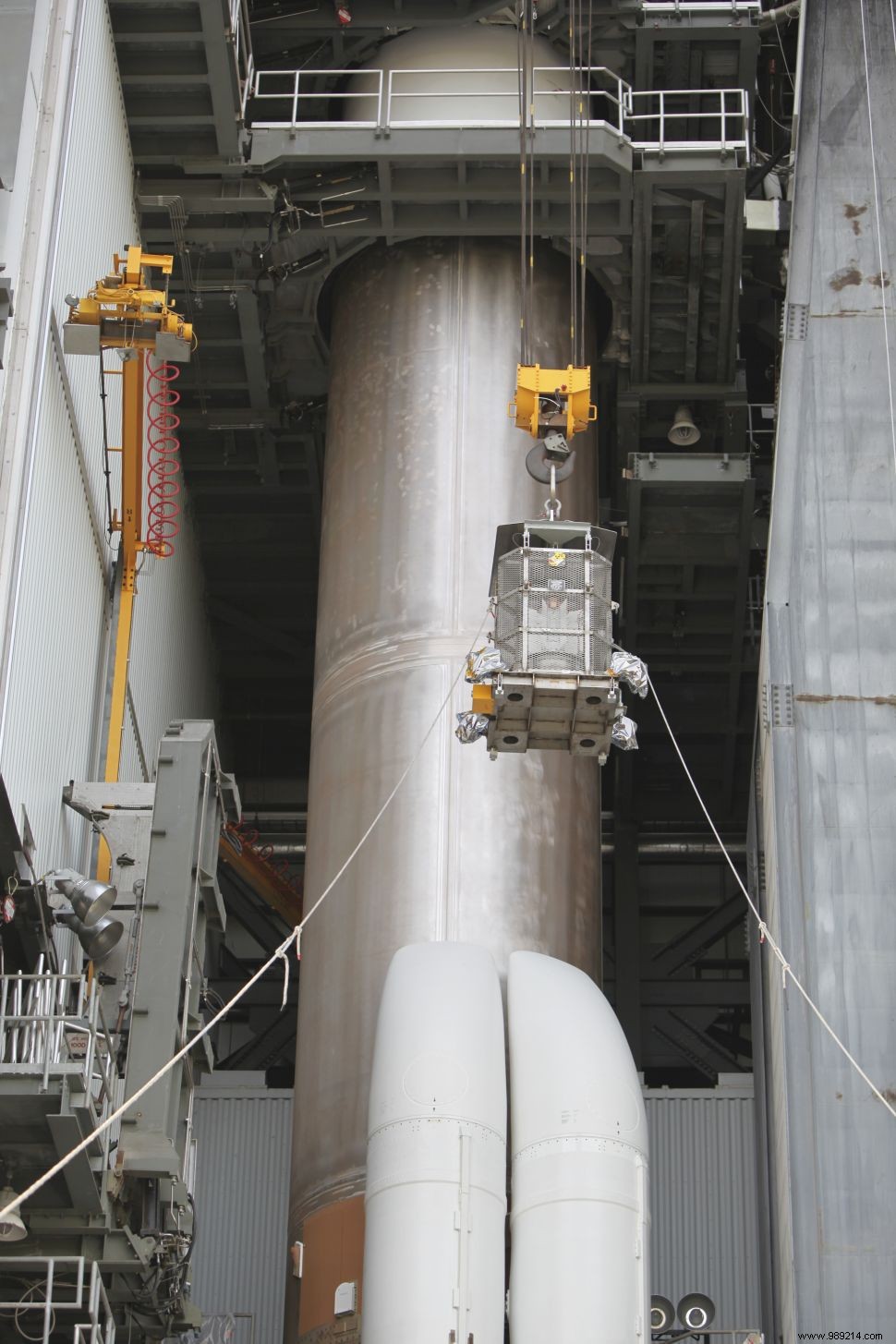
The plutonium starts as neptunium, irradiated in a nuclear reactor for nearly two months to produce plutonium-238 suitable for the MMRTG. Mixed with ceramic, it forms a safer compound than weapons-grade material.
