Caltech researchers are gearing up to test groundbreaking technology that harvests solar power in space and beams it to Earth.
The concept of capturing sunlight in orbit and transmitting it back to Earth dates back to a 1968 technical paper. This approach promises round-the-clock electricity generation, free from weather disruptions. While economic and technical hurdles delayed progress for decades, momentum is building with real-world initiatives.
A Chinese effort is in development, but U.S. innovation is leading the charge. Caltech directors Donald and Brigitte Bren, inspired by the potential, donated over $100 million to launch the SSPP, turning vision into reality.
Donald Bren's interest sparked a decade ago from a Popular Science article. He approached then-Caltech president Jean-Lou Chameau, leading to the 2013 commitment with his wife Brigitte, a Caltech administrator.
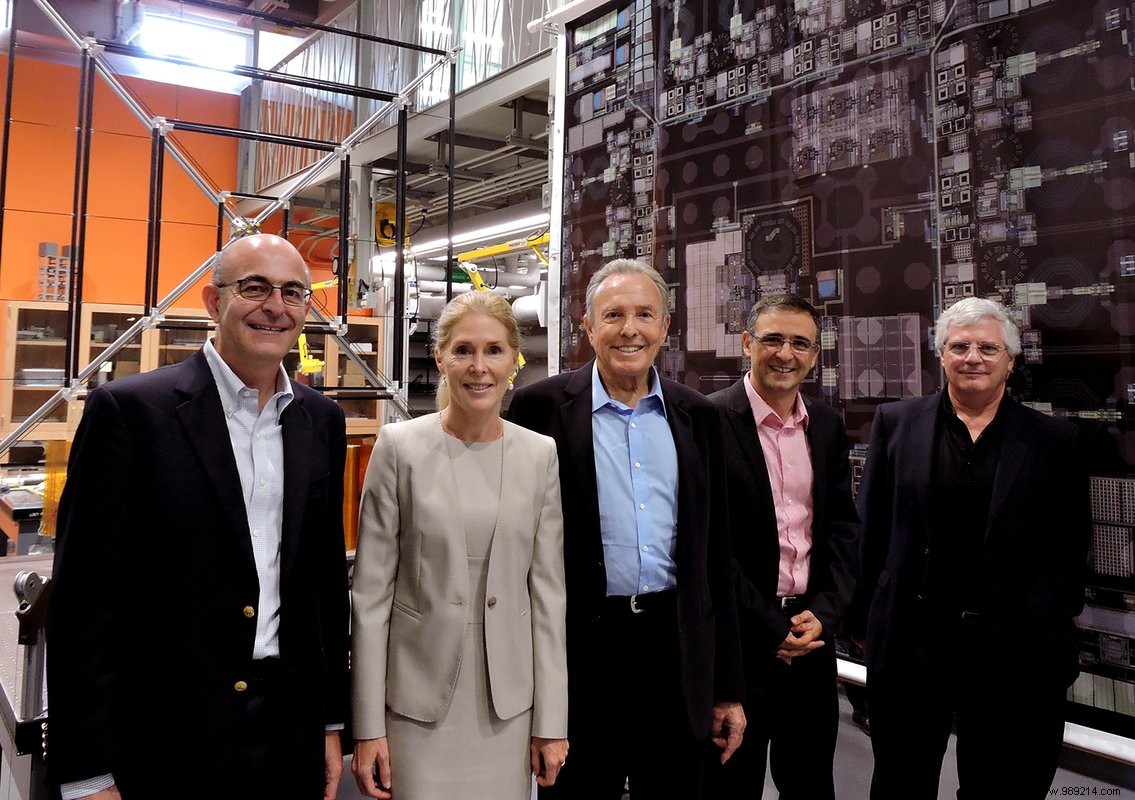
Notably, the Brens have no commercial stakes in this technology. "It underscores their extraordinary generosity," notes SSPP co-director and Caltech professor Ali Hajimiri. "They aim to transform the world, delivering sustainable impact through innovations in wireless power, communications, and sensing."
This funding enabled breakthroughs, technical advancements, and support for PhD students over five years.
SSPP's goal: Deliver abundant, clean, affordable energy worldwide by converting orbital sunlight to electricity and relaying it via radio frequency (RF) waves. The first step is a lightweight prototype panel (1.8 m x 1.8 m, ~4 kg), slated for 2023 launch to validate the system.
